London-Bespoke Sebum Control Formulations
Engineered to counter London's high urban micro-pollution levels and challenging tap-water hardness.
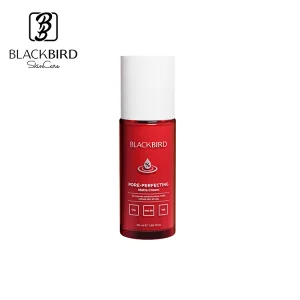

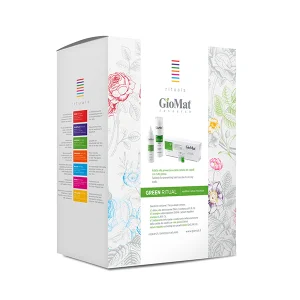
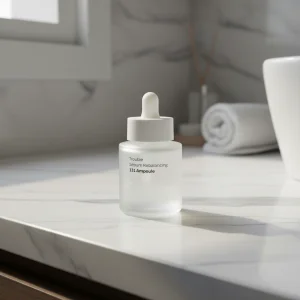
The London Cosmetic & Clinical Landscape for Sebum Regulation
The cosmetic market in London is experiencing an unprecedented surge in demand for highly targeted sebum-regulating and pore-refining solutions. A combination of historic atmospheric particulates (PM2.5), localized microclimates, and hard water (characterized by high calcium carbonate density from the Thames basin) acts as a persistent trigger for skin barrier degradation. This complex environmental cocktail causes a significant up-regulation of sebaceous gland activity in urban consumers.
Dermatologists and clinical spas in districts like Harley Street, Chelsea, and Soho report a shift away from traditional, harsh oil-stripping surfactants toward advanced biomimetic formulations that actively balance sebum production rather than depleting it. Consumers are seeking advanced topicals that balance the skin's lipid barrier while protecting the microbiome. Modern brands targeting the UK market must collaborate with specialized manufacturing partners capable of formulating with multi-modal active ingredients to meet these strict requirements.
"Hard water and particulate urban soot interact directly with sebum lipids, creating oxidized comedogenic complexes. The solution is no longer basic degreasing; it is biochemical regulation." – London Skincare Research Institute
Biochemical Breakthroughs in Sebum Balancing
Achieving stable, long-lasting matte finishes without triggering reactive hyper-seborrhea requires a deep understanding of the sebaceous gland's cellular mechanisms. Modern sebum regulation targets the enzymatic pathway of 5-alpha reductase, which converts testosterone into the active sebum-stimulating hormone dihydrotestosterone (DHT).
Advanced global formulations now incorporate a range of active compounds to address oily and acne-prone skin from multiple angles:
- Oleanolic Acid & Nordihydroguaiaretic Acid (NDGA): These compounds inhibit 5-alpha reductase and regulate cell proliferation, preventing hyperkeratosis in the follicular duct.
- Niacinamide (Vitamin B3): Well-known for its anti-inflammatory properties, Niacinamide also plays a key role in reducing sebum excretion rates by improving barrier function and reducing lipid synthesis.
- Zinc PCA (Pyrrolidone Carboxylic Acid): A synergistic compound that pairs zinc's anti-seborrheic activity with PCA’s hydrating properties, helping to balance the skin's natural moisturizing factors.
- Microbiome Prebiotics & Probiotics: These ingredients nurture beneficial bacteria like Cutibacterium acnes to prevent the overgrowth of pathogenic, acne-inducing strains.
By combining these active complexes into stable emulsions, serums, and cleansers, manufacturers can create high-performance products that meet the expectations of modern, ingredient-conscious consumers in London and around the world.
Advanced Marine & Botanical Regulatory Systems
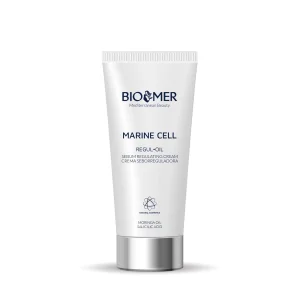
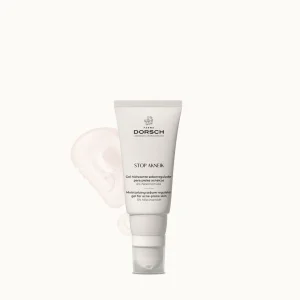
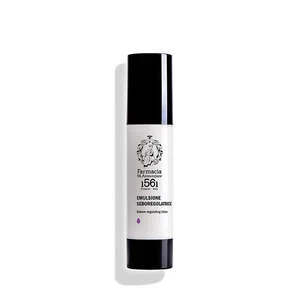
Dermatologically-tested systems utilizing advanced marine bio-actives and botanical complexes.

China Factory 4.0: Supply Chain Resilience & Efficiency Advantages
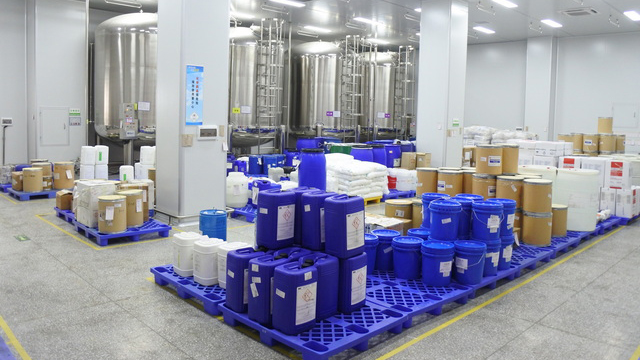
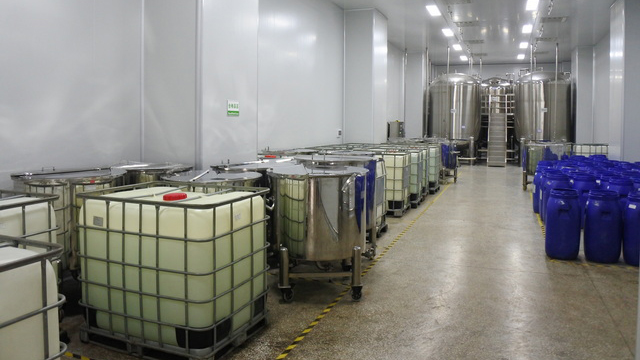
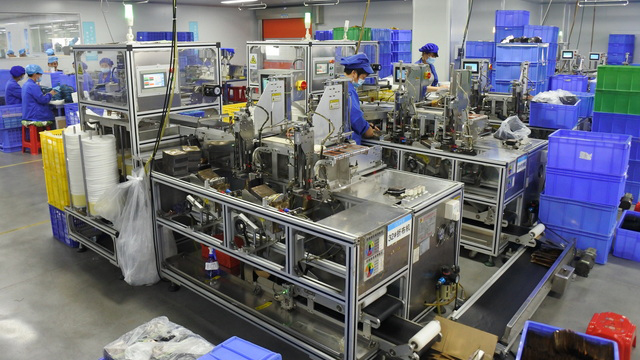
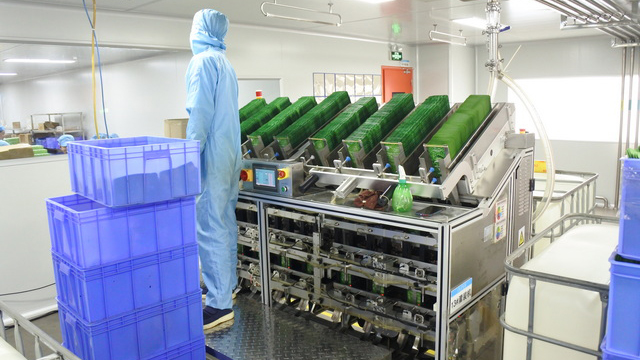
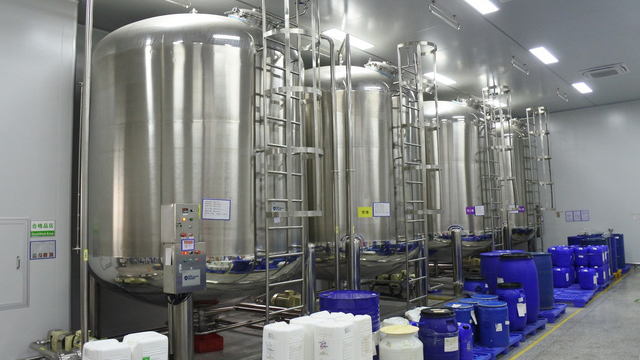
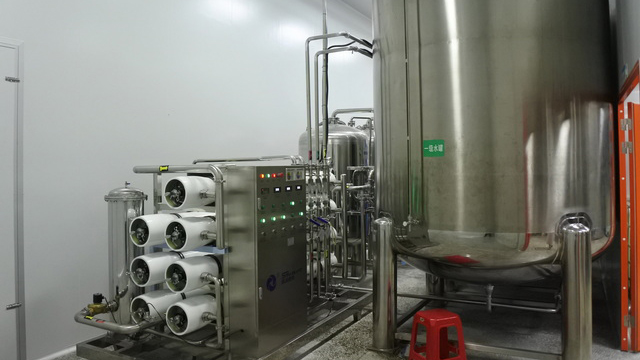
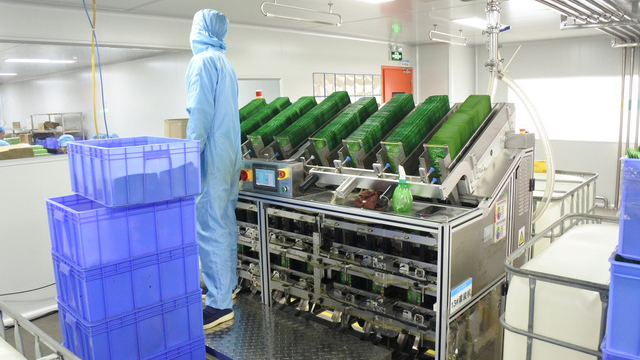
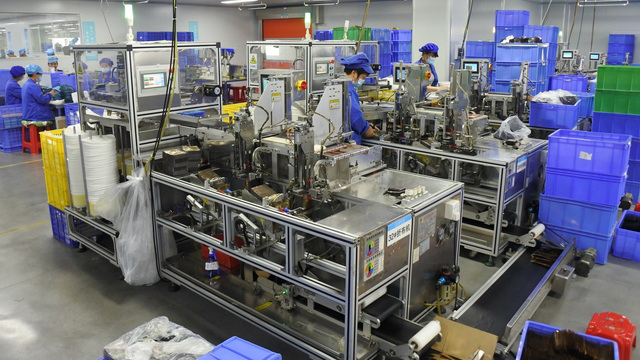
For skincare brands in London looking to scale their product lines, partnership with an advanced manufacturer is essential. Guangdong Kofi Beauty Co. Ltd. represents the standard of Factory 4.0 intelligence. By integrating automated raw material dispensing, digital emulsification management, and real-time monitoring of active molecule stability, we deliver unmatched batch-to-batch consistency.
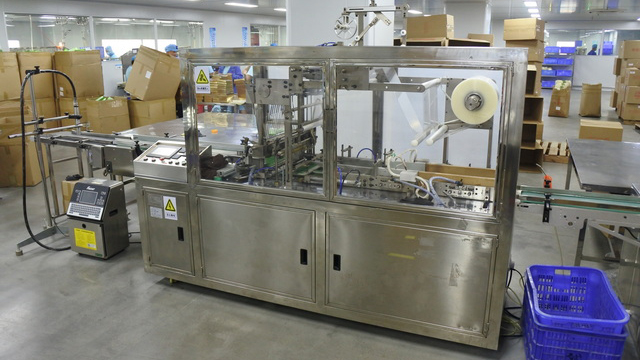
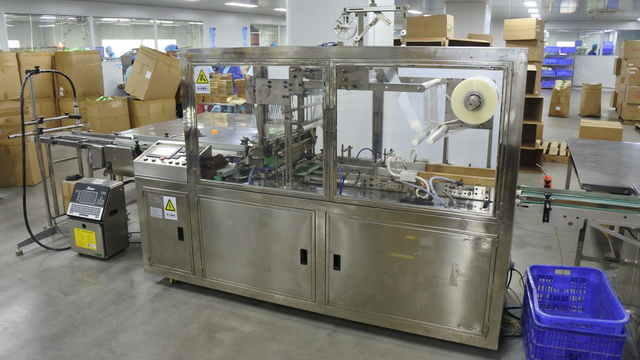
Our intelligent systems minimize human error, reduce energy consumption, and optimize production cycles to shorten product development times. With global supply chain challenges on the rise, Kofi Beauty provides a resilient manufacturing hub that handles everything from raw material sourcing to GMPC and ISO-compliant packaging, ensuring smooth delivery to Europe and the UK.
Send Inquiry NowAdvanced Skincare Manufacturing Facility
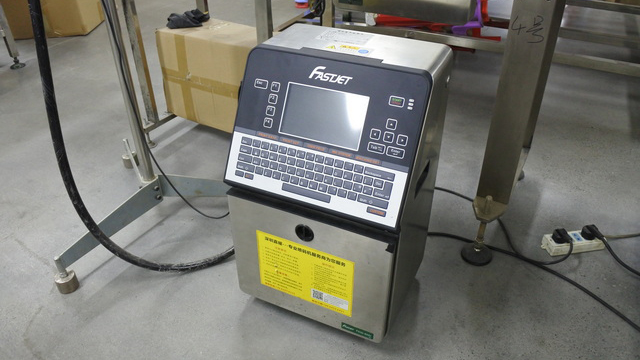
Take a look inside our state-of-the-art facility, equipped with advanced processing technologies.


Meeting Global Procurement Demands & Localized Applications
B2B buyers, purchasing managers, and brand founders face strict requirements when sourcing sebum-regulating products. These formulas must not only be highly effective, but also compliant with UK and European cosmetics regulations (such as CPNP/SCPN registration).
Our manufacturing team addresses these challenges directly by providing comprehensive support throughout the product development process:
- Regulatory Documentation: We provide full COA, MSDS, and stability data to simplify UK compliance and customs clearance.
- Flexible Customization: We offer custom options for color, fragrance, and packaging, allowing you to tailor formulas to your target demographic.
- Eco-Friendly Formulations: We offer vegan, biodegradable, and silicone-free alternatives to meet the growing consumer demand for clean beauty.
Whether you are launching a startup line in London or expanding an established professional clinic brand, our flexible manufacturing solutions help you scale efficiently while maintaining high standards of quality.
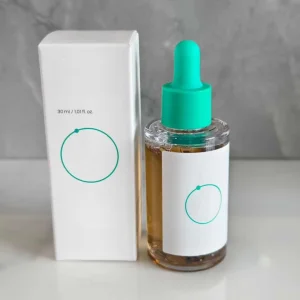
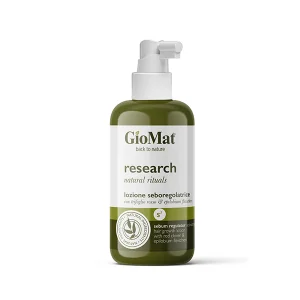
Professional Sebum Regulating Range
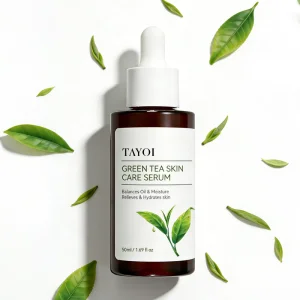
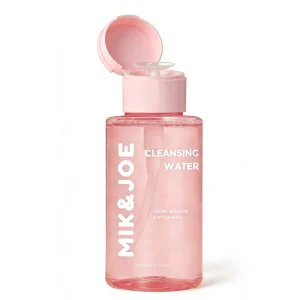
Dermatologist-formulated solutions designed for cosmetic brands, salons, and aesthetic practitioners in London.

Sebum Regulation Science FAQ
Detailed answers to common questions about sebum regulation, chemical formulations, and B2B manufacturing.