Innovative Bio-Active Skincare & Professional Equipment
Explore our state-of-the-art formulations and advanced skincare systems designed for clinical and institutional efficacy.
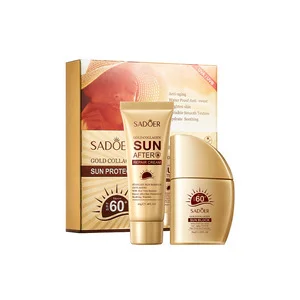
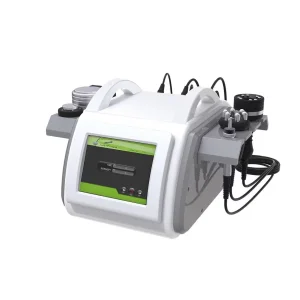
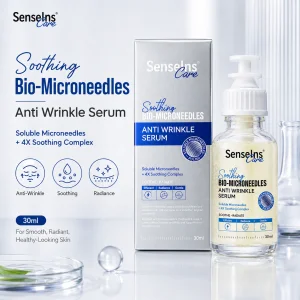
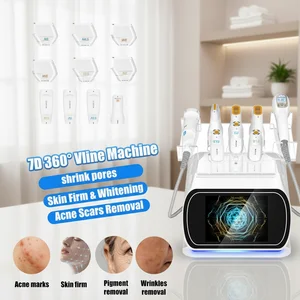
Leading Clinical-Grade Skin Renewal Engineering
A deep dive into the corporate infrastructure and manufacturing excellence of Guangdong Kofi Beauty Co. Ltd.
Standardized Intelligent Manufacturing Flow
Exploring our step-by-step smart facility layout, from raw materials to advanced protective packaging.
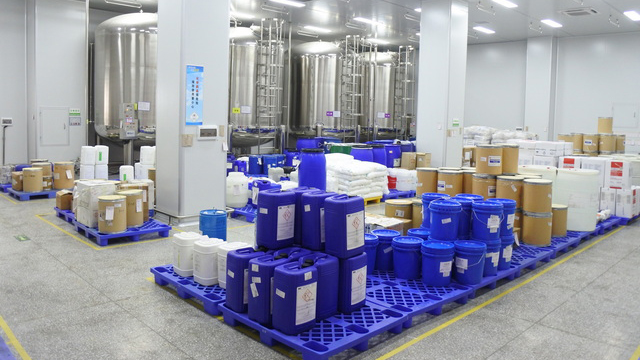
Raw Material Sourcing & QC
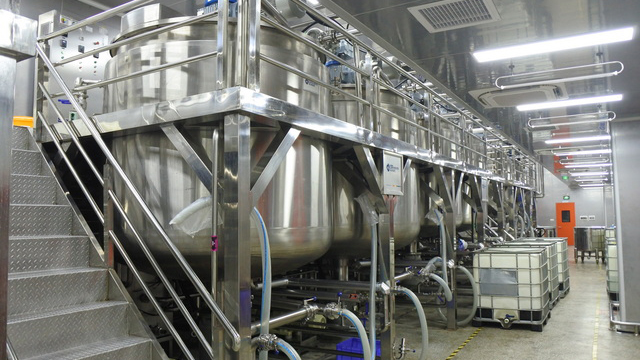
Intelligent Emulsification
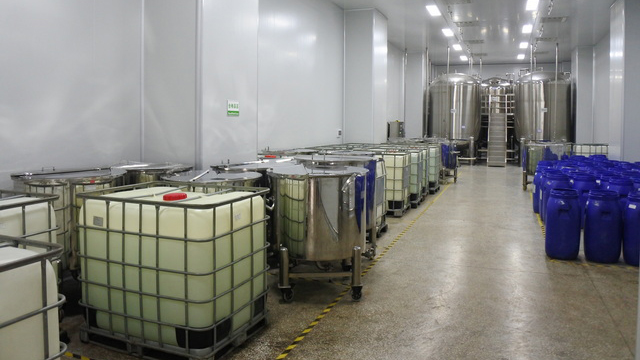
Formula Standing & Aging
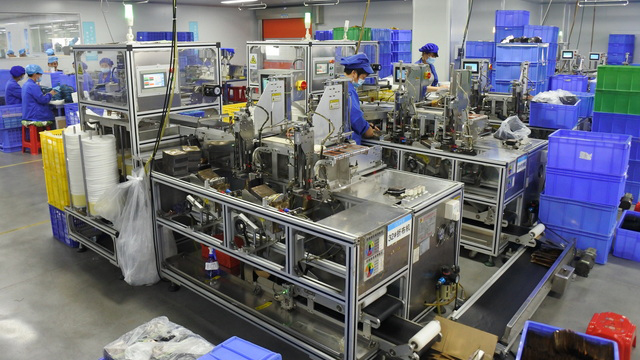
Precise Lamination
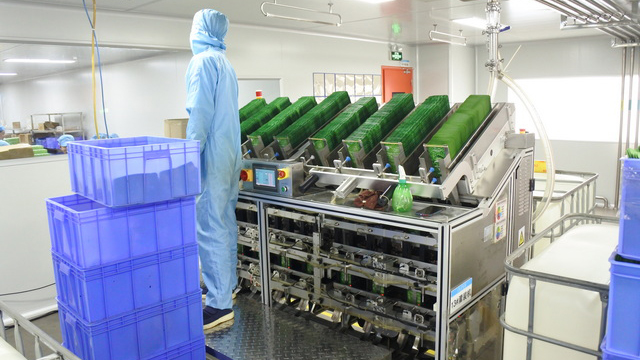
Aseptic Filling Operations
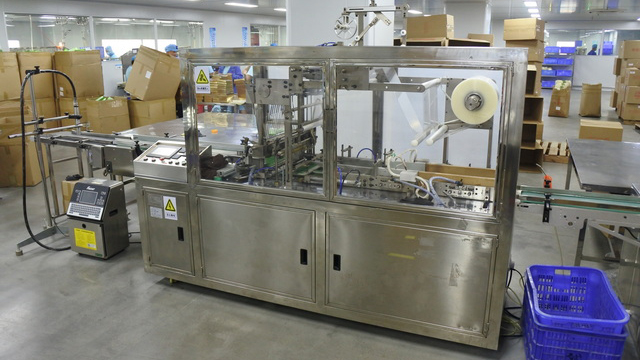
Automated Outer Packaging
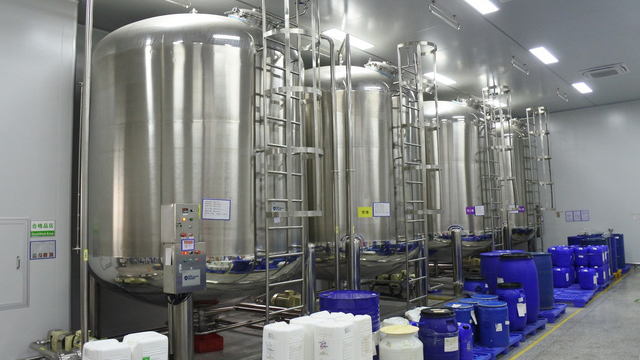
Stainless Storage Tanks
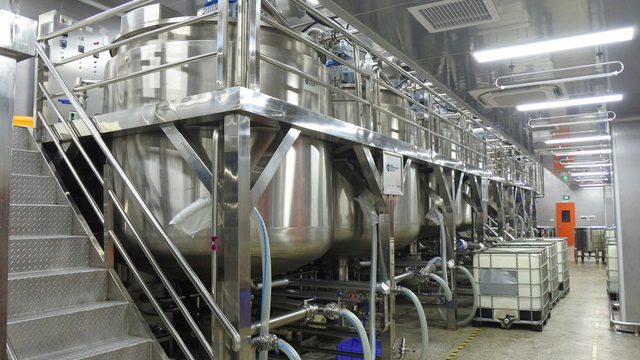
Vacuum Emulsifying Pot
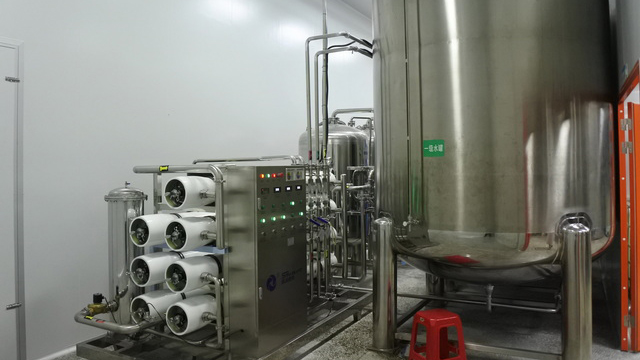
EDI Water Purification
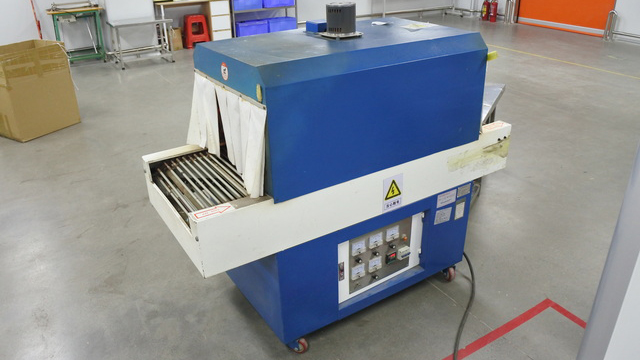
Heat Shrinkable Film Wrapping
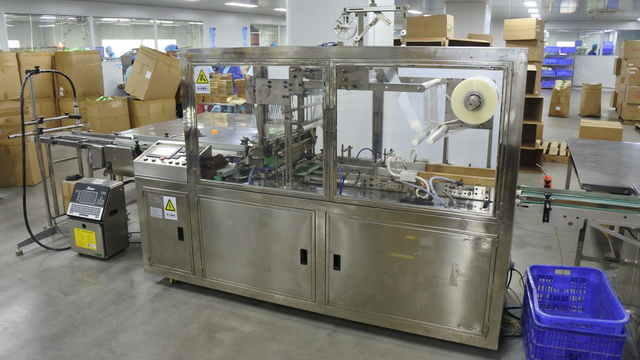
Three-Dimensional Packaging
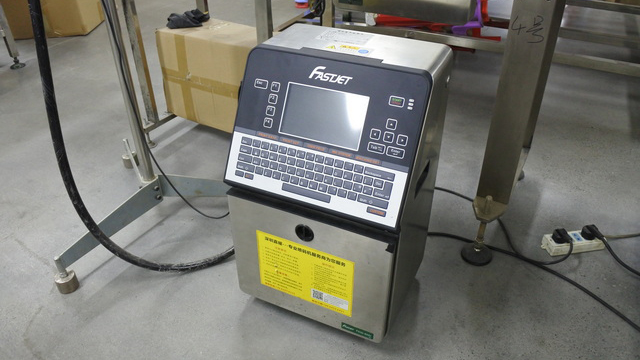
High-Speed Inkjet Printing
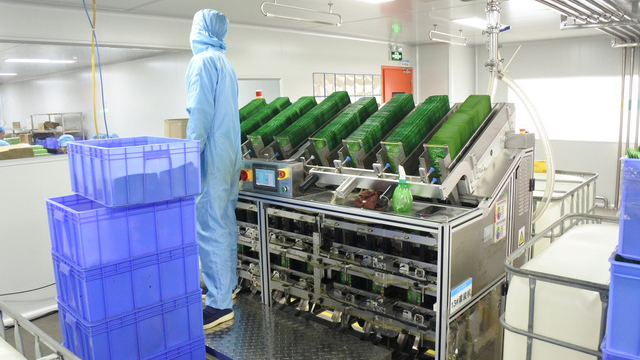
Piston-Driven Filling
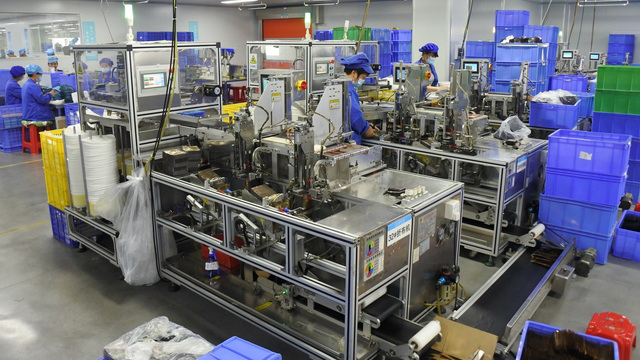
High-Precision Lamination
Industry Evolution: The Shift to Biocompatible Skin Renewal
Understanding the clinical, regulatory, and formulation advancements reshaping the renewal cream market.
Biomimetic Lipids & Advanced Actives
The modern consumer demands scientific evidence over marketing promises. The industry has shifted significantly toward biomimetic lipids—specifically cholesterol, free fatty acids, and ceramide structures (AP, NP, EOP)—to reconstruct the compromised stratum corneum. In addition, the incorporation of PDRN (Polydeoxyribonucleotide), plant stem cells, and targeted signal peptides has transformed standard moisturizing formulas into cellular-repair engines.
Microbiome Protection & Neuro-Cosmetics
Modern renewal creams prioritize protecting the skin’s native microbiome. Formulators use prebiotic and postbiotic lysates to support beneficial bacteria, helping to minimize inflammation and prevent issues like dermatitis or accelerated aging. In parallel, neuro-cosmetics incorporating neuropeptides are rising in popularity; these ingredients limit micro-contractions and reduce sensory sensitivity in damaged skin.
Key Dynamic: Scientific Validation & Clean Formulations
Regulatory frameworks such as the EU CPNP and MoCRA in the USA are driving brands to eliminate controversial preservatives, endocrine disruptors, and synthetic fillers. Leading exporters must maintain clean manufacturing lines while ensuring their formulas remain highly stable and effective.
Navigating Global Sourcing & B2B Procurement
How procurement officers mitigate risk, optimize costs, and secure supply chain resilience in 2025.
Regulatory Compliance and Validation
For B2B buyers in North America, Europe, and Asia-Pacific, importing cosmetics involves strict regulatory oversight. Successful sourcing relies on finding manufacturing partners that supply comprehensive Product Information Files (PIF), safety assessments, heavy metal test reports, and microbial certifications. This compliance is essential for avoiding customs delays and ensuring smooth product launches.
MOQ Agility & Customizable Packaging
As skincare trends evolve rapidly, brands require agile manufacturing solutions. Partners that offer customizable formulation options alongside manageable Minimum Order Quantities (MOQs) allow brands to test new markets with minimal risk. Flexible packaging services, including airless pump systems and eco-friendly containers, help brands align with shifting consumer preferences.
China Factory 4.0: Supply Chain Resilience & Efficiency
Analyzing how advanced automation and smart logistics drive cost efficiencies and product safety.
Automated Emulsification & EDI Purification
Maintaining product stability in renewal creams requires precise processing controls. Advanced vacuum emulsifying systems regulate temperature, shear speed, and pressure in real time, ensuring a uniform droplet distribution. This process is supported by multi-stage Electrodeionization (EDI) water systems, which produce high-purity water to ensure the long-term stability and safety of the final formulation.
Integrated Supply Chain and Speed-to-Market
Operating in mature chemical and industrial zones provides access to a complete supply chain, including raw materials, custom components, and specialized packaging. This proximity allows factories to accelerate development timelines, moving products from formulation stages to final shipping containers with minimal delay.
Global Commercial Applications & Market Distribution
Understanding how professional-grade renewal creams perform across different skin-health environments.
Clinical Post-Treatment Recovery
Following procedures like fractional laser skin resurfacing, chemical peels, or microneedling, the skin barrier is temporarily compromised. Formulating recovery creams with sterile active ingredients, lipid replenishment complexes, and anti-inflammatory extracts helps soothe irritation, lock in moisture, and accelerate natural recovery, making them ideal for clinical environments.
Prestige Retail & Daily Age-Defying
For standard consumer channels, renewal creams are formulated to address environmental stressors, daily pollution, and fine lines. By combining ingredients like retinol, stabilized vitamin C, and hyaluronic acid with rich emollients, these creams hydrate the skin and support a more youthful appearance for daily use.
Localization & Tailored Regional Formulations
Adapting product profiles to meet distinct climate conditions and regional preferences.
High-Humidity and Warm Climates
In humid areas like Southeast Asia or Central America, consumers prefer lightweight formulas. Heavy occlusive ingredients are typically replaced with light humectants, oil-free esters, and sebum-regulating botanical extracts to hydrate the skin without feeling heavy or blocking pores.
Arid, Low-Temperature Regions
In colder regions like Northern Europe or parts of North America, skin barrier defense is a top priority. Formulations for these markets utilize richer emollients, shea butter, squalane, and protective wax matrices to insulate the skin against dry air and prevent transepidermal water loss.
Technical & Commercial FAQ
Expert answers to common B2B procurement, compliance, and formulation inquiries.
Q1: How do you guarantee the chemical stability of active compounds in renewal creams?
We use advanced encapsulation systems, including double-layer liposomes, to protect active ingredients like Retinol and Vitamin C from light and air. In addition, our vacuum emulsifying processes limit oxidation, and we perform rigorous thermal stress tests at temperatures up to 48°C to ensure long-term stability.
Q2: What is your standard turnaround time for OEM/ODM orders?
For standard formulations, the turnaround time is approximately 25 to 30 days following design confirmation and packaging delivery. For fully customized formulas, the timeline ranges from 40 to 60 days, allowing for comprehensive stability testing, microbiological screening, and packaging compatibility verification.
Q3: How does the facility maintain cleanroom standards for dermatological products?
Our production floor operates under ISO 22716 and GMPC cleanroom standards, utilizing HEPA filtration to maintain air quality and minimize particulates. We employ automatic CIP (Clean-in-Place) systems for all batch tanks to ensure hygienic processing and reduce contamination risks.
Q4: Are your formulations suitable for post-operative clinical skin recovery?
Yes. We specialize in developing mild, irritant-free barrier recovery creams. These formulas are designed without synthetic fragrances, heavy mineral oils, or harsh preservatives, making them suitable for sensitive and post-treatment skin.
Q5: Can you assist with global regulatory filings for the EU and US?
Our regulatory team compiles detailed documentation, including COA, MSDS, safety reports, and quantitative ingredient declarations, helping clients meet FDA MoCRA and EU CPNP registration requirements.
Q6: What options do you offer for sustainable and eco-friendly packaging?
We offer sustainable packaging solutions, including PCR (Post-Consumer Recycled) plastics, glass containers, and refillable airless pump systems, helping brands align with green initiatives.
Q7: Do you perform third-party clinical trials to verify product efficacy?
We partner with independent dermatological testing centers to conduct patch tests, non-comedogenic evaluations, and moisture-retention analysis, providing brands with verified performance data.
Q8: How do you manage raw material supply chains to prevent delays?
We source raw materials from verified global suppliers and maintain a strategic reserve of key active ingredients, ensuring consistent production schedules and reliable lead times for our clients.
Advanced Skincare Formulations & Wellness Solutions
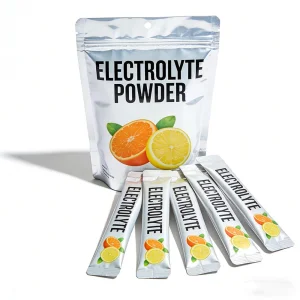
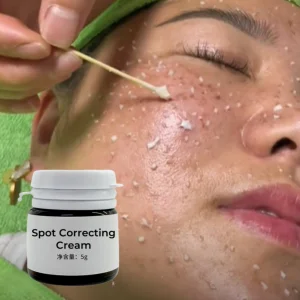
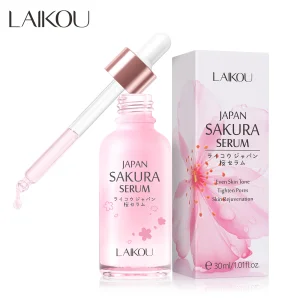
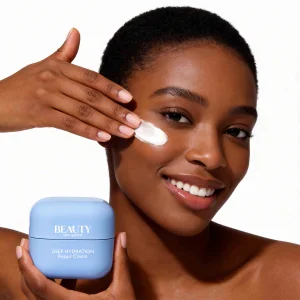
Enhance your product line with our specialized skin barrier support, dark spot solutions, and wellness formulations.