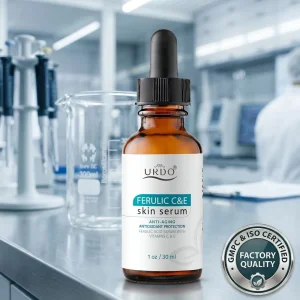
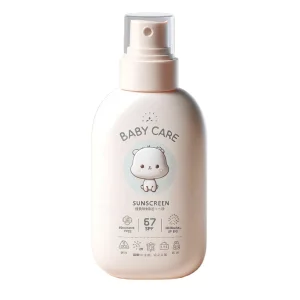
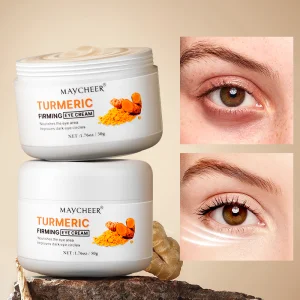
Featured Cell Recovery & Skincare Formulations
Explore our advanced clinical treatments and daily skin barrier repair systems developed under international standards.
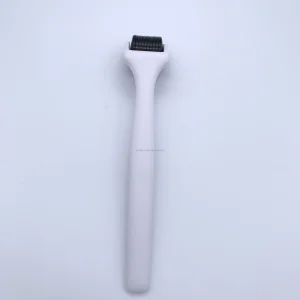
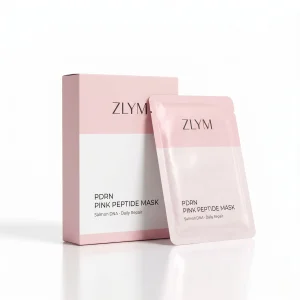
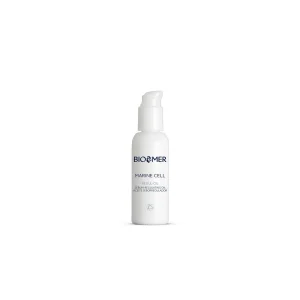

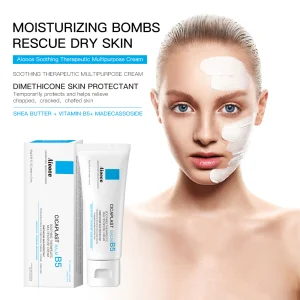

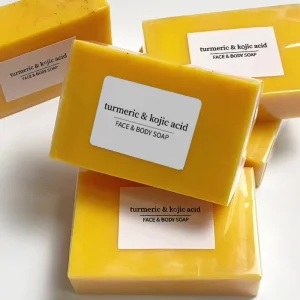
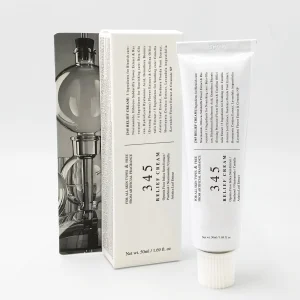
Deep Dive: The Evolution of Cellular Repair in Clinical Aesthetics
A B2B industry report on biological skincare, OEM capabilities, and therapeutic formulation systems.
The Scientific Paradigm Shift: From Surface Hydration to Cellular Recovery
The global cosmetics and therapeutic skincare markets are undergoing a fundamental transformation. Modern consumers and clinical practitioners are moving past superficial solutions. Instead, the focus has shifted toward deep cellular repair, molecular barrier recovery, and DNA-level stabilization. Innovations in biopharmaceutics, such as PDRN (Polydeoxyribonucleotide derived from salmon DNA), biomimetic peptides, and highly bioavailable plant extracts like Centella Asiatica, have rewritten the rules of cosmetic efficacy.
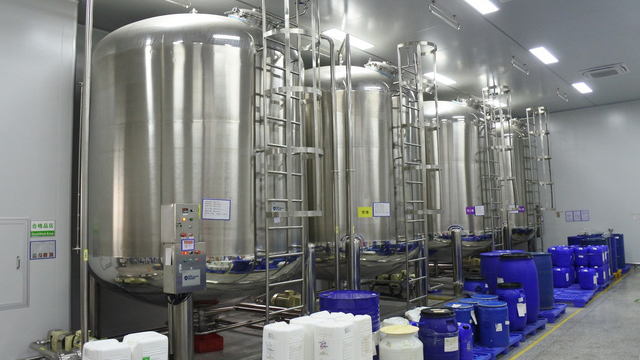
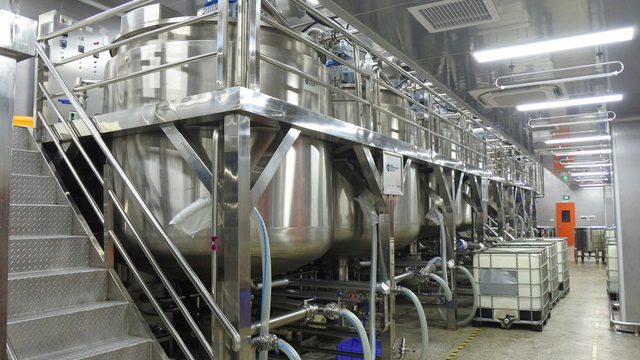
Industrial suppliers must not only understand clinical physiology but also master the large-scale synthesis and stabilization of these active molecules. For instance, when manufacturing complex repair masks, protecting the delicate polypeptide chains and maintaining the structural integrity of DNA fragments requires advanced temperature-controlled holding vessels and ultra-precise homogenization techniques.
The Role of PDRN and Bio-Peptides in Post-Procedure Recovery
Post-treatment skin (following laser resurfacing, chemical peels, or microneedling) exists in a state of acute inflammatory response. During this stage, the trans-epidermal water loss (TEWL) rises exponentially, and the natural defense mechanisms are compromised. High-purity PDRN works by acting on the A2A adenosine receptors to reduce inflammation, promote tissue healing, and stimulate collagen synthesis at the cellular level.
Global B2B Procurement: Sourcing Quality, Safety, and Compliance
For international distributors, brands, and clinical institutions, importing cell repair skincare is highly regulated. Organizations in North America, Europe, and Asia-Pacific demand strict adherence to ISO 22716 and Good Manufacturing Practice (GMP) guidelines. A secure supply chain requires detailed technical documentation, including Certificate of Analysis (COA), Material Safety Data Sheets (MSDS), and comprehensive stability studies.
Modern factories must invest heavily in regulatory departments capable of registering formulations with the FDA, CPNP, and other regional authorities. Partnering with a supplier that offers full traceability from raw botanical harvest to final product filling is crucial to mitigating brand risk and ensuring product safety.
China Factory 4.0: Guangdong Kofi Beauty's Manufacturing Ecosystem
A look into the smart facilities, automated machinery, and supply chain resilience that define modern cosmetic manufacturing.
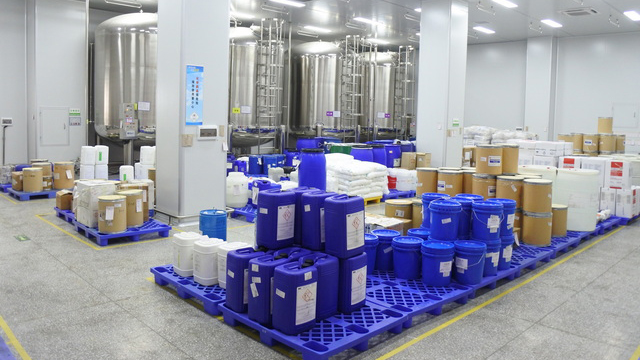
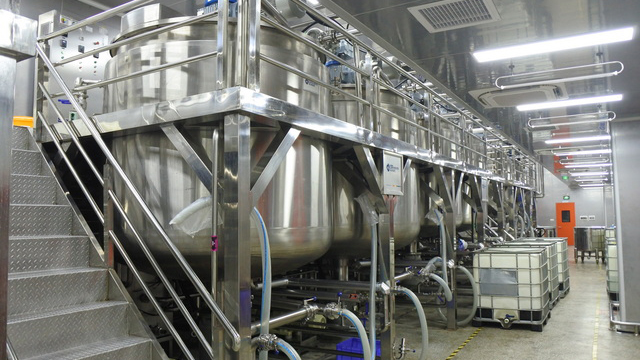
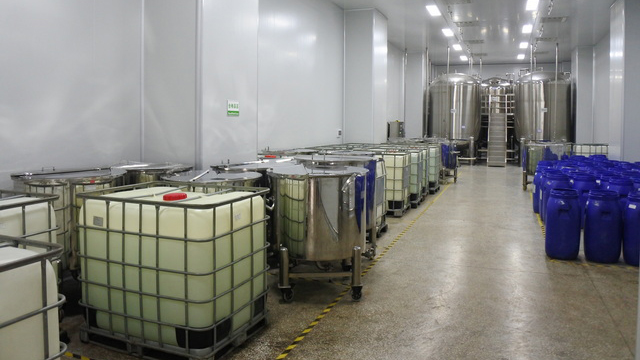
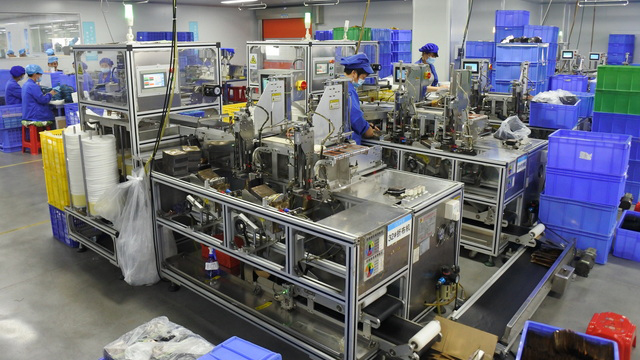
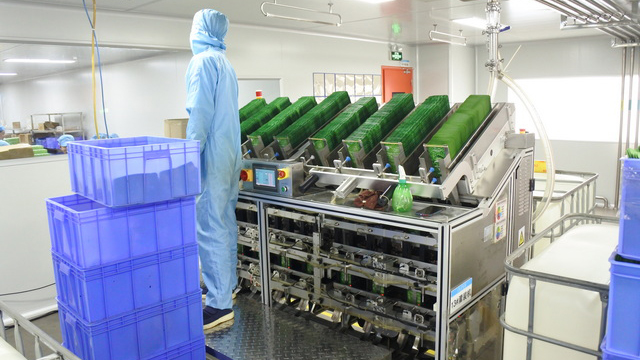
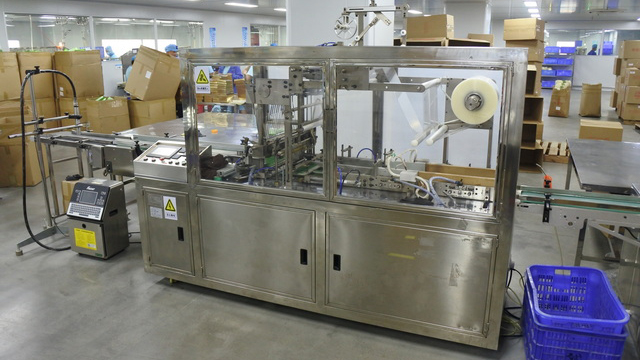
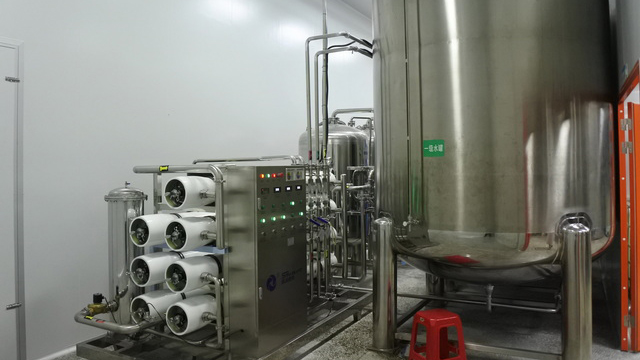
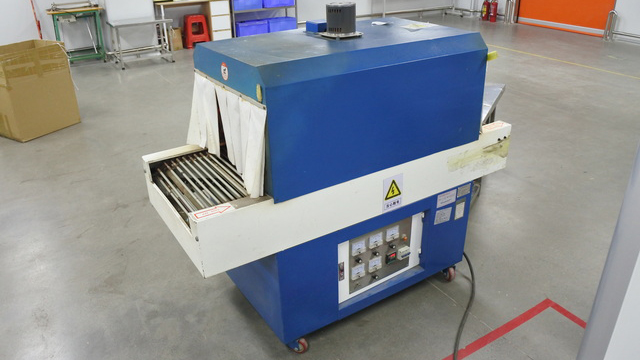
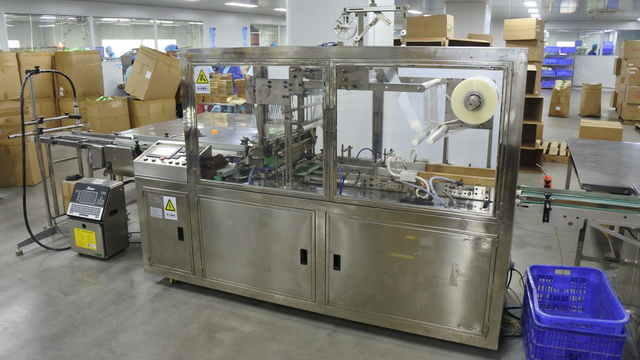
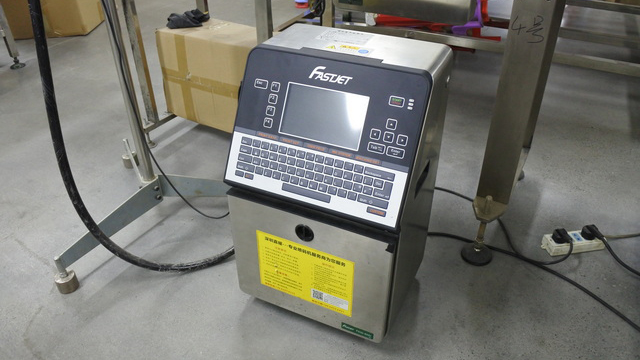
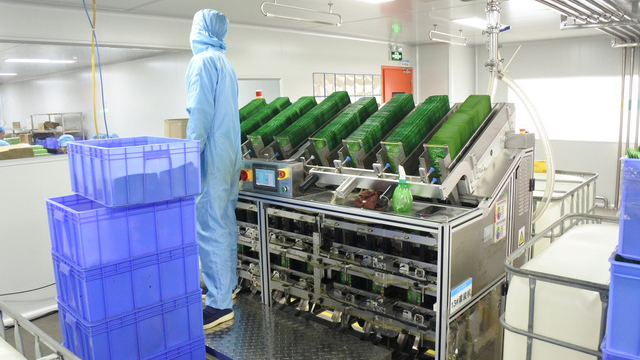
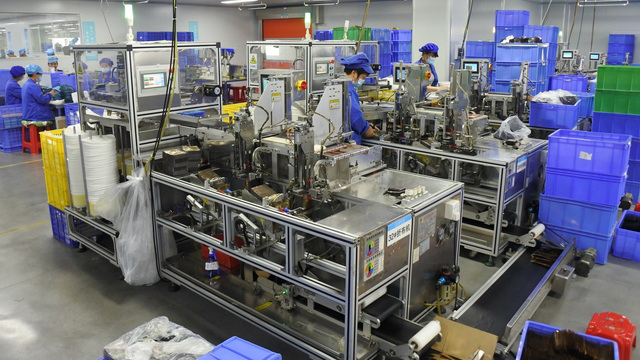
Founded in 2009, Guangdong Kofi Beauty Co. Ltd. stands as a premier R&D and intelligent manufacturing hub for advanced dermatology and professional beauty formulations. By utilizing the concepts of Industry 4.0, the facility integrates automated production with real-time data tracking to assure consistency, stability, and scale.
From double-pass reverse osmosis water purification processors to sterile packaging systems, every single process loop is monitored to prevent contamination and ensure standard deviation control in chemical batching. Over 10,000 professional clinics and hospitals in more than 50 countries trust our product performance.
Localized Application Scenarios & Tailored Formulations
The requirements for cellular repair products vary by demographic, region, and local climate conditions. A professional factory must offer formula flexibility to adapt to these variables. For instance, in dry, cold climates like Northern Europe or North America, repair creams require highly occlusive, lipid-replenishing textures containing ceramides, panthenol (Vitamin B5), and dense hyaluronic acids to rebuild the damaged skin barrier.
Conversely, in hot and humid climates such as Southeast Asia, skin repair formulas must remain lightweight, non-comedogenic, and easily absorbed. Formulating regulating oils, fluid emulsions, and light sheet masks allows local brands to meet target audience demands without risking clogged pores or excessive oiliness.
Clinical and Medical Spa Integration
Professional aesthetic clinics require specialized post-procedure serums and masks that contain zero fragrances, alcohols, or aggressive preservatives. These products are utilized immediately after skin-disruptive treatments. The priority is immediate cooling, cellular matrix repair, and reducing transient erythema (redness).
Technical & Commercial FAQ
Expert answers regarding cell repair ingredients, OEM/ODM processes, and compliance.
Further Advanced Skin Protection & Recovery Solutions
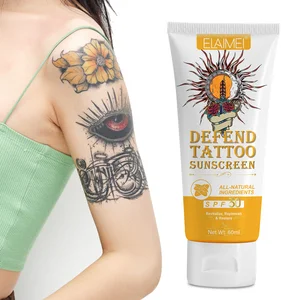
Explore more specialized products, sunscreens, post-tattoo treatments, and clinical formulas.