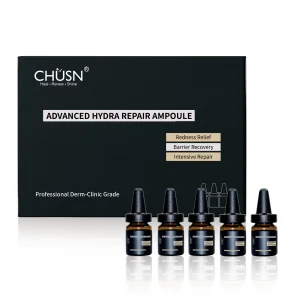
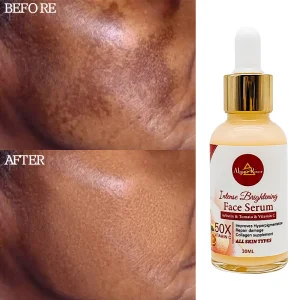
Dermatology-Grade Formulation Showcase
Explore our elite selection of hyperpigmentation combatants, skin recovery solutions, and advanced clinical-grade barrier repair complexes optimized for international supply chains.
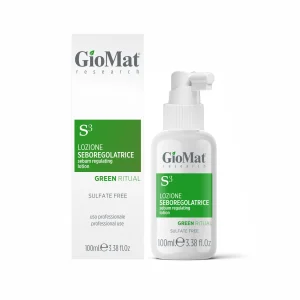
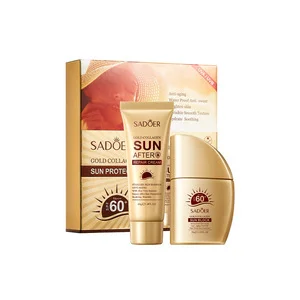
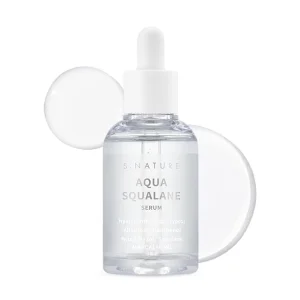
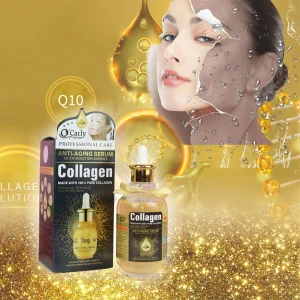
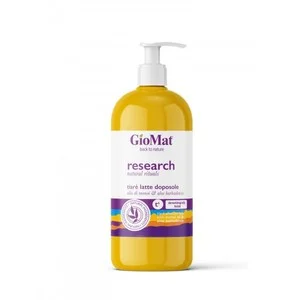
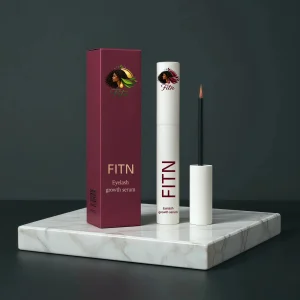
Understanding the Melanogenesis Pathway & Treatment Targets
Hyperpigmentation—manifesting as post-inflammatory hyperpigmentation (PIH), melasma, solar lentigines, and age spots—presents one of the most complex clinical challenges in dermatology. The pathomechanism centers on the overactivation of melanocytes within the epidermal basal layer. Key chemical triggers include ultraviolet radiation (UVR), inflammatory cytokines (IL-1, TNF-alpha), and oxidative stress. These triggers upregulate the rate-limiting enzyme Tyrosinase, which catalyzes the oxidation of L-tyrosine to L-DOPA.
Modern dermatological solutions focus on multi-target interventions: inhibiting tyrosinase transcription, blocking melanosome transfer via Protease-Activated Receptor 2 (PAR-2) pathways, accelerating epidermal turn-over, and offering powerful antioxidant defense. As global demand for bright, uniform skin complexions intensifies, international distributors and clinical buyers seek reliable manufacturers capable of formulating advanced combinations of Niacinamide, Tranexamic Acid, Alpha-Arbutin, Vitamin C derivatives, and bio-fermented botanicals.
Key Chemical Inhibitors & Mechanisms
- Tranexamic Acid: Blocks plasminogen activation to suppress UV-induced melanogenesis.
- Alpha-Arbutin: Highly stable hydroquinone derivative that directly downregulates tyrosinase activity.
- Niacinamide (Vitamin B3): Impedes the transfer of melanosomes from melanocytes to keratinocytes.
- Ethyl Ascorbic Acid (Vitamin C): Reduces dopaquinone back to L-DOPA, neutralizing free radicals.
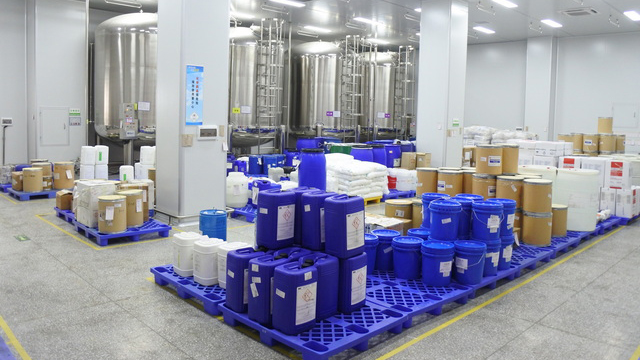
Guangdong Kofi Beauty Co. Ltd.
Founded in 2009, Guangdong Kofi Beauty Co. Ltd. stands as a premier manufacturing power in advanced dermatological skincare. Integrating robust academic collaboration, scientific research, and automated production, Kofi Beauty specializes in clinical-grade skin barrier restoration and hyperpigmentation therapeutic agents.
By deploying state-of-the-art water purification, high-capacity vacuum emulsifiers, and automated filling lines operating under strict ISO 22716 and GMPC frameworks, the company bridges the divide between clinical skincare efficacy and luxury consumer appeal. Today, products formulated and manufactured by Kofi Beauty are trusted across 10,000 clinics and professional beauty institutes in more than 50 countries.
Scientific Workflow & Equipment Operations
Every cosmetic formulation undergoes a precise, clean-room regulated lifecycle ensuring physical stability, microbiological safety, and chemical efficacy.
Incoming active ingredients undergo HPLC and microbiological validation.
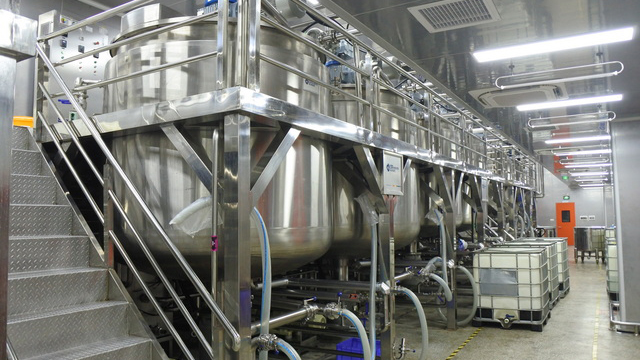
Homogenization of lipophilic and hydrophilic phases under temperature control.
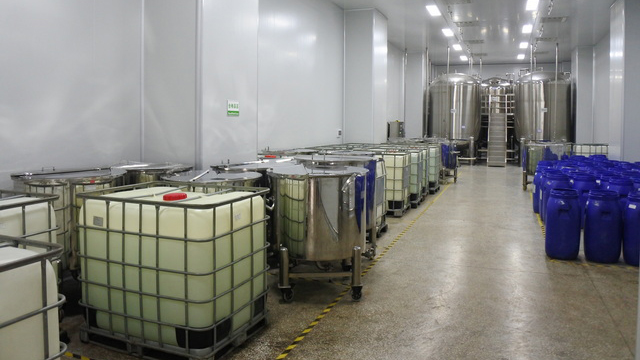
Aging the emulsion to achieve optimal viscosity, stability, and texture profiles.
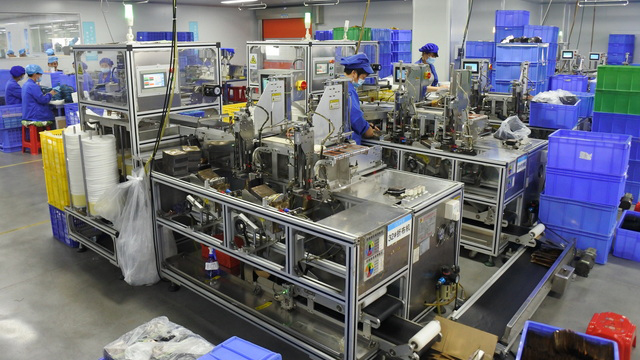
Sterility-controlled membrane sealing to protect delicate skin barrier formulas.
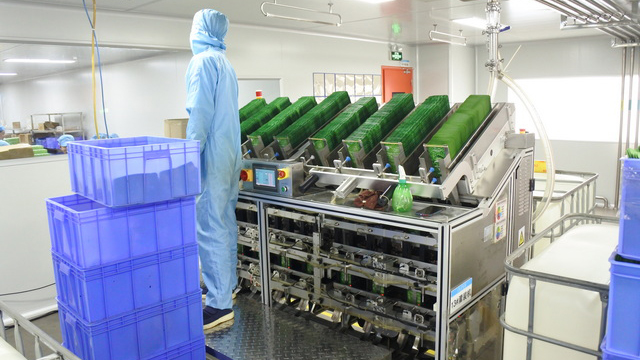
Cleanroom pneumatic filling preventing external micro-contamination.
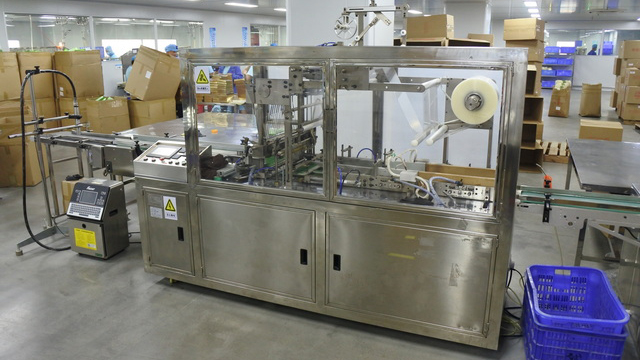
Batch number marking and outer carton sleeve boxing on high-speed lines.
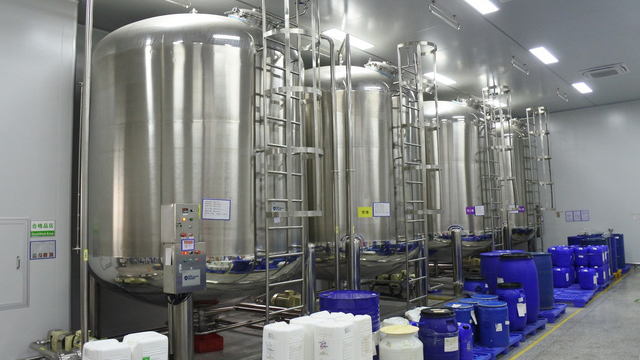
Medical-grade stainless steel storage tanks with sterile atmosphere protection.
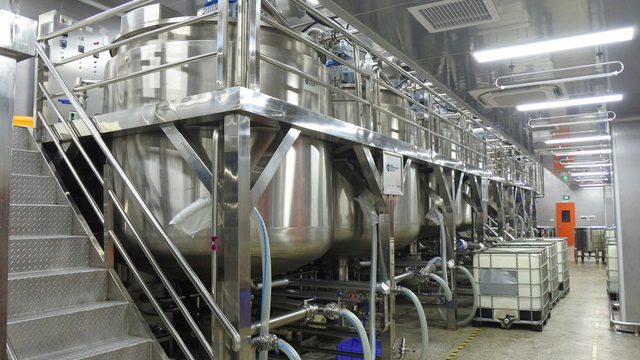
Advanced high-shear cosmetic reactors ensuring sub-micron droplet sizes.
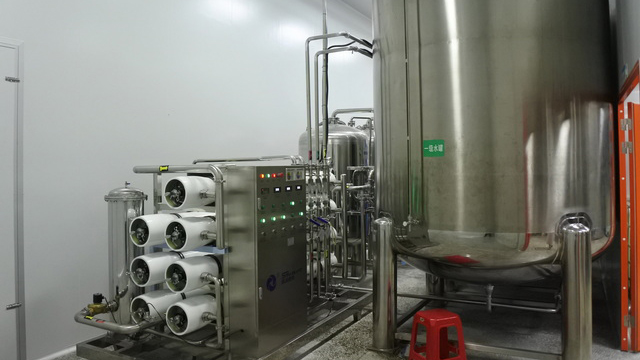
RO dual-stage water filtration ensuring low conductivity and absolute purity.
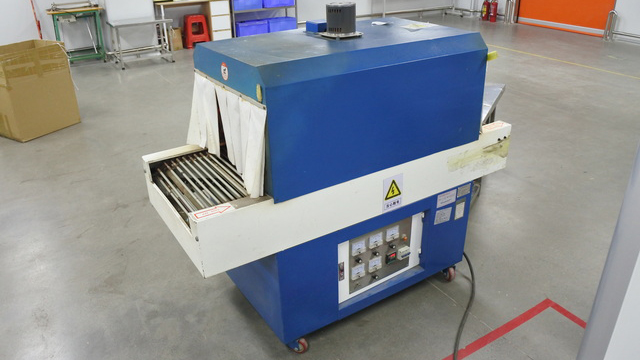
Shrink wrapping machines ensuring secure transportation protection.
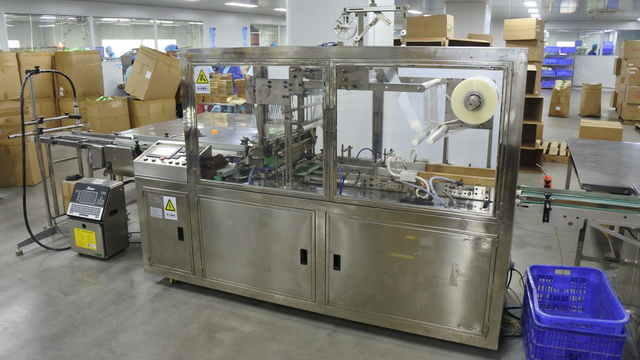
Overwrapping technology providing high-end aesthetic finish for retail.
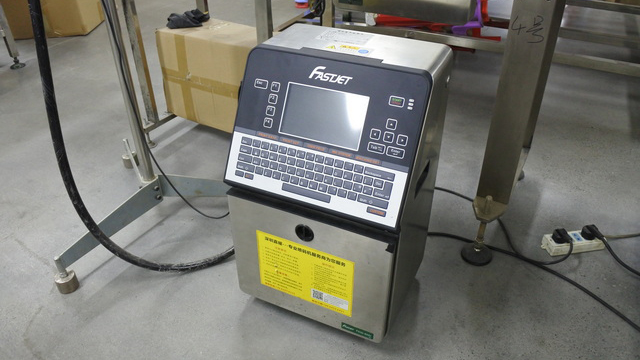
Fast-drying, high-resolution marking of traceability QR and batch codes.
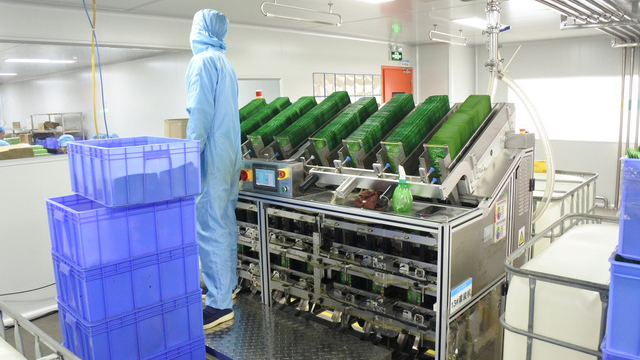
High speed, anti-drip product metering for premium skin creams and lotions.
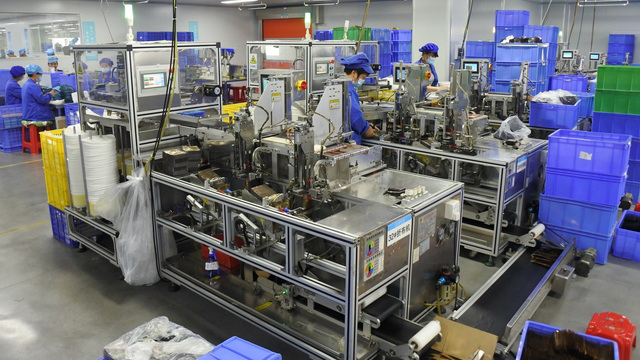
Integrated cap sealing and lining system to prevent leakage and oxidation.
Strategic Advantages of China-Based Cosmetics Factories
Why leading global aesthetic brands locate their manufacturing bases within the Pearl River Delta cosmetic cluster.
1. Vertically Integrated Supply Chain
Guangdong province hosts the world’s densest concentration of chemical synthesis units, packaging designers, and container manufacturers. This local density ensures immediate access to premium active ingredients like Synthetic Azelaic Acid, high-purity Vitamin C, and advanced peptide chains, reducing raw material logistics times to hours instead of weeks.
2. Advanced Automation & Capacity
Equipped with high-performance international machinery (such as Swiss emulsifiers and German filling tech), Chinese factories can scale from trial batches of 5,000 units to full-scale operations exceeding 500,000 units per month, assuring prompt execution of sudden viral market spikes.
3. Stringent International Certifications
Leading manufacturers comply fully with the GMPC (Guideline for Good Manufacture Practice of Cosmetics) and ISO 22716 frameworks. Extensive in-house testing labs provide complete documentation packages—including MSDS, COA, CPNP notification files, and stability reports—streamlining customs clearance in North America, Europe, and Asia.
Analysis of the Top 10 Hyperpigmentation Solution Exporters
An authoritative compilation of the top cosmetic manufacturing operations globally, ranked by manufacturing efficiency, formulation innovation, and global compliance capacity.
| Rank / Manufacturer | Core Hyperpigmentation Actives | Primary Certifications | Key Geographic Markets |
|---|---|---|---|
| 1. Guangdong Kofi Beauty Co. Ltd. | Alpha-Arbutin, Squalane, Vitamin C, Biomimetic Peptides | GMPC, ISO 22716, MSDS, CPNP | Europe, North America, Southeast Asia |
| 2. Kolmar Korea | Niacinamide, Ferulic Acid complexes, Glutathione | CGMP, ISO 14001, FDA OTC registered | Global, East Asia, USA |
| 3. Cosmax Inc. | Resveratrol, Micro-encapsulated Retinoids | ISO 22716, ECO-CERT, HALAL | Asia-Pacific, Americas |
| 4. Intercos Group (Italy) | Peptide chains, Plant stem cell extract derivatives | ISO 9001, EFfCI GMP | Europe, Luxury Global Brands |
| 5. Nox Bellcow (China) | Trans-resveratrol, Hyaluronic Acid complexes | GMPC, ISO 22716, BSCI | Southeast Asia, China, EU |
| 6. KDC/ONE (North America) | Hydroquinone-free alternatives, Glycolic peel blends | FDA, Health Canada Approved | North America, EU |
| 7. Toyo Beauty (Japan) | Tranexamic acid, Licorice root extracts (Dipotassium Glycyrrhizinate) | Japanese Quasi-Drug standards, CGMP | Japan, Asia |
| 8. Mana Products (USA) | Patented Vitamin C formulations, Retinol boosters | FDA Registered, USDA Organic | North America, UK |
| 9. Bawei Biotechnology (China) | Bakuchiol, Yeast bio-ferment, Niacinamide | ISO 22716, GMPC, CNAS Testing Lab | Oceania, Central Asia, South America |
| 10. Colep Healthcare (Europe) | Aerosol & pump-delivered clinical spot treatments | ISO 13485 (Medical Devices), GMPC | Pan-European Region |
Key Research Trends in Melanogenesis Inhibition
Recent developments dictating formulation architectures for global procurement managers.
A. The Rise of Hydroquinone-Free & Vegan Alternatives
Due to cytotoxicity risks and regulatory bans in regions like the European Union, the market has pivoted completely away from Hydroquinone. Current R&D focuses on high-stability natural bio-actives that mimic the efficacy of hydroquinone without the associated risk of exogenous ochronosis. Modern formulations rely on synergetic combinations of plant-derived Alpha-Arbutin, Kojic Acid Dipalmitate, and Licorice Root Extract to safely break down excess melanin.
B. Multi-Layer Liposomal Delivery Systems
Active ingredients like Vitamin C and Retinol are notoriously prone to rapid oxidation when exposed to air and light. Manufacturers are increasingly utilizing lipid-nanocarrier (liposomal encapsulation) technologies. These microscopic bubbles shield sensitive molecules, allowing them to penetrate deeper into the viable epidermis before releasing their active payload, increasing biological efficacy and minimizing skin irritation.
C. Post-Procedure Skin Barrier Synergy
Clinical treatments like Q-switched Nd:YAG lasers, Intense Pulsed Light (IPL), and chemical peels effectively break down melanin clumps, but they leave the skin barrier compromised. Modern hyperpigmentation treatments must double as post-treatment healing solutions. Integrating soothing ceramides, Centella Asiatica (Cica), Squalane, and Panthenol ensures that the skin recovers its moisture barrier, thereby preventing secondary Post-Inflammatory Hyperpigmentation (PIH).
D. Clean & Compliant Green Chemistries
Clean beauty is no longer a niche segment. Mass retailers mandate clean ingredients, requiring formulations free from parabens, phthalates, sulfates, and mineral oils. Cruelty-free, vegan certifications, and biodegradable packaging are standard procurement prerequisites.
Localized Application Scenarios & Purchasing Specifications
Customizing formulations based on geographical conditions and local demographic skin characteristics.
Tropical & High-UV Geographies
Markets like Southeast Asia, Latin America, and the Middle East require lightweight, non-comedogenic gel-creams and high-SPF sunscreens. Emulsion stability is prioritized to withstand high storage temperatures. Active ingredients must be non-photo-sensitizing so they can be worn safely during daytime UV exposure.
High-Sensitivity & Clinical Recoveries
In East Asian and European markets, consumers frequently combine active skincare with clinical laser resurfacing. Formulations must exclude fragrance, essential oils, and harsh acids, relying instead on soothing agents like Squalane, Argan oil, and gentle tyrosinase blockers to prevent redness.
Corporate Sourcing Specifications
B2B buyers evaluate manufacturers on key regulatory and logistical benchmarks: stability testing profiles (freeze-thaw tests), comprehensive safety assessment sheets, custom packaging design (airless pump compatibility to prevent Vitamin C degradation), and minimum order quantity (MOQ) flexibility.
Frequently Asked Questions (FAQ)
Answers to critical formulation, manufacturing, and sourcing inquiries from global buyers.
Extended Specialized Formulations & Hardware Portfolio
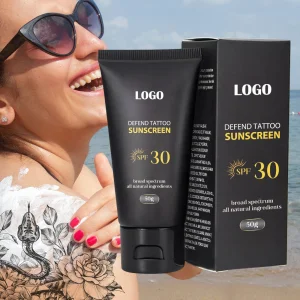
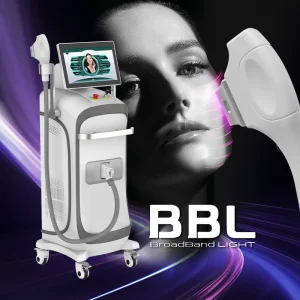
From advanced sun-care shields protecting compromised skin barriers to clinic-grade aesthetic hardware systems, explore our multi-dimensional solutions.