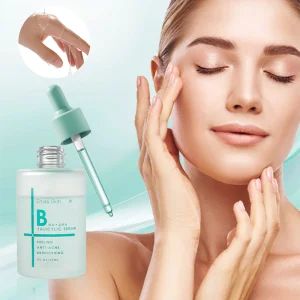
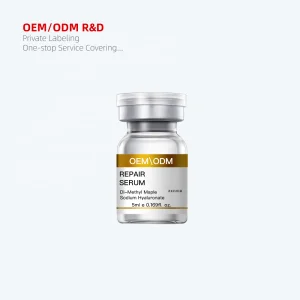
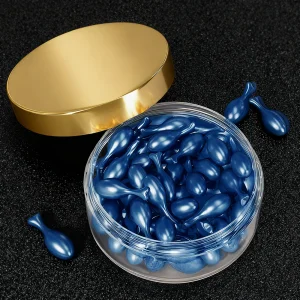
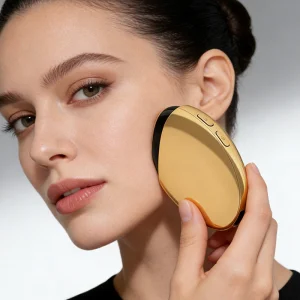
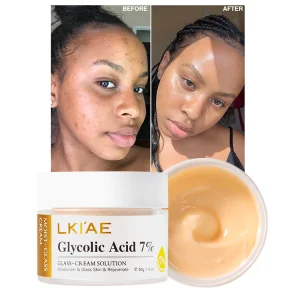
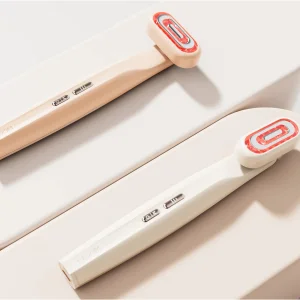
Premium Active Skincare Formulations
High-potency clinical solutions engineered for targeted skin remodeling, deep hydration, and barrier defense.
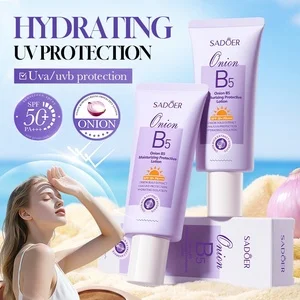
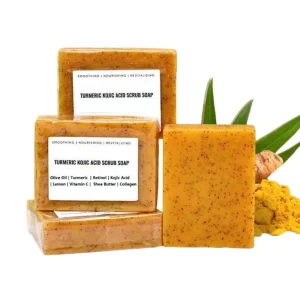
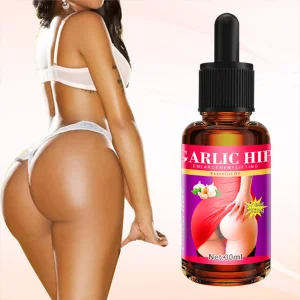
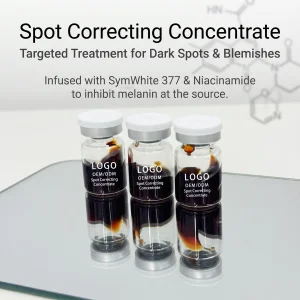
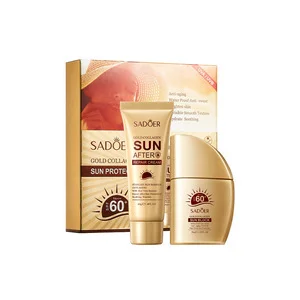
Global B2B Market Analysis: The Evolution of Skin Firming Formulations
Under the microscope: Industrial shifts, global trade dynamics, and consumer demand mapping.
The global market for body and facial firming oils has transitioned from traditional moisturizing blends to complex, clinically proven skin remodeling matrices. Driven by an aging population seeking non-invasive cosmetic treatments, the market is expanding rapidly. According to cosmetic dermatology trade studies, the demand for body firming oils, stretch mark therapies, and cellulite reducers is projected to achieve a Compound Annual Growth Rate (CAGR) of over 6.8% through 2030.
Historically, the body oil segment was dominated by heavy mineral oils that formed occlusive barriers without delivering bio-active benefits. Today, advanced B2B manufacturers utilize plant-derived, biocompatible lipid matrices (such as cold-pressed squalane, organic rosehip seed oil, and meadowfoam seed oil) paired with oil-soluble active ingredients like Retinol, Bakuchiol, Tetrahexyldecyl Ascorbate, and oil-grafted Peptides. This technology facilitates targeted cellular repair, boosting collagen type I and III synthesis directly within the dermis.
Biocompatible Lipids
Utilizing molecularly structured plant seed lipids that mimic human sebum, facilitating rapid dermal absorption without greasy residue.
Encapsulated Actives
Oil-soluble micro-encapsulations protecting unstable compounds (like Retinol or CoQ10) from premature oxidation and degradation.
Clean-Beauty Compliance
Formulated in compliance with global standards, guaranteeing products free of parabens, phthalates, synthetic colorants, and mineral oils.
Dermal-Epidermal Junction (DEJ) Activation: How Firming Oils Work
Skin elasticity depends largely on the integrity of the Dermal-Epidermal Junction (DEJ) and the density of collagen and elastin fibers in the extracellular matrix (ECM). Firming oils serve as delivery systems for lipid-soluble anti-aging agents. Unlike water-based serums that may struggle to bypass the lipophilic stratum corneum, natural carrier oils integrate with the intercellular lipid layers. This integration temporarily alters the skin barrier's permeability, allowing active phytosterols and antioxidant compounds to penetrate deeper.
Global Sourcing & Regional Trade Dynamics
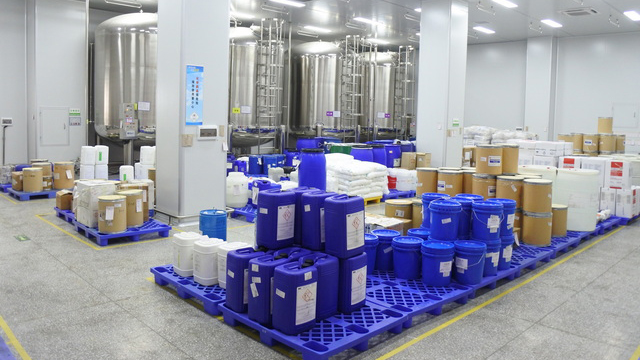
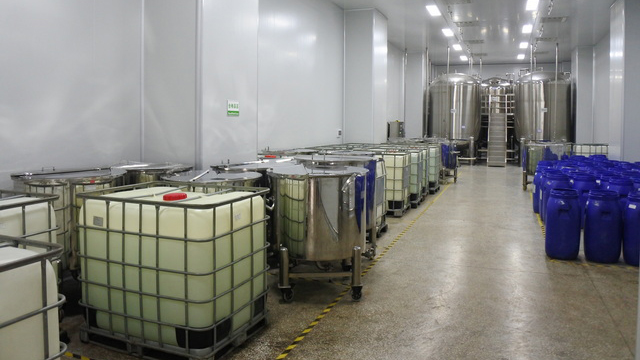
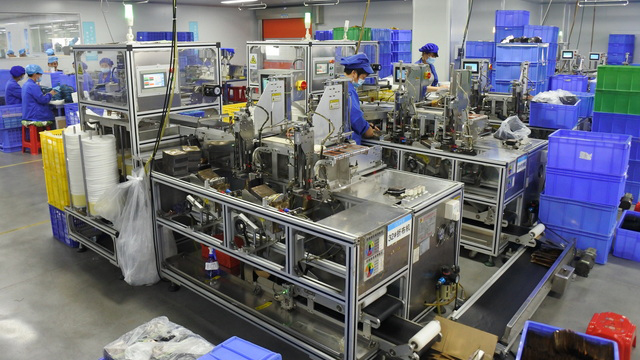
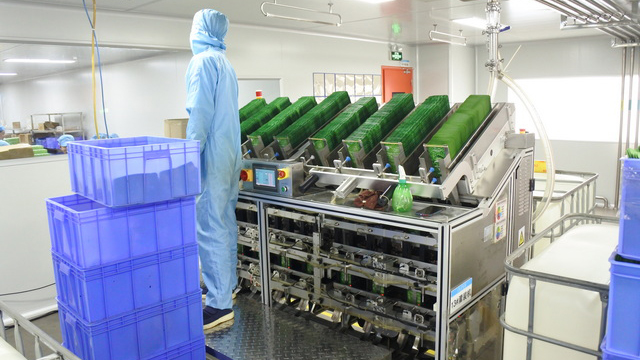
The manufacturing landscape for firming oils is highly consolidated, with key production hubs located in Europe (focusing on organic certifications and luxury spa formulations) and East Asia (focusing on biotechnology, clinical safety, and high-speed automated production). Brands seeking private label or OEM/ODM partnerships must look beyond unit costs, prioritizing R&D expertise, batch-to-batch consistency, and compliance with international regulatory bodies such as the US FDA and the European Cosmetics Regulation (EC No. 1223/2009).
Leading Skincare Innovation: Guangdong Kofi Beauty Co. Ltd.
Guangdong Kofi Beauty Co. Ltd. represents the peak of intelligent dermatology skincare and aesthetic product manufacturing.
Founded in 2009, Guangdong Kofi Beauty Co. Ltd. is a leading company dedicated to skincare innovation and professional beauty solutions. As an integrated R&D and intelligent manufacturing base for dermatology and aesthetic skincare products, Kofi Beauty continuously explores new formulations, advanced functions, and effective skincare technologies, supported by patented innovations and customized product development.
Guangdong Kofi Beauty Co. Ltd. has built a strong international distribution network, working with exclusive partners in more than 15 countries worldwide. At the same time, the company continues to welcome new opportunities for experienced and forward-thinking skincare distributors and partners who share a passion for the global beauty industry.
At Kofi Beauty, skincare is more than a daily routine—it is a science-driven and results-oriented experience. Our products are designed not only to enhance skin health and beauty, but also to provide effective solutions for post-treatment and dermatological care needs, including sensitive and recovery-stage skin.
We place strong emphasis on efficacy, safety, and continuous innovation, ensuring that every product is developed under strict quality control standards and delivers visible, reliable results. By combining dermatological research with advanced cosmetic technology, we aim to bridge the gap between clinical skincare and everyday beauty care.
Today, over 10,000 hospitals, dermatology clinics, and professional skincare institutions across more than 50 countries trust and use products associated with Kofi Beauty’s manufacturing expertise. This global recognition reflects our commitment to scientific advancement, product reliability, and deep understanding of evolving skincare trends.
Driven by continuous innovation, Guangdong Kofi Beauty Co. Ltd. integrates scientific research, academic collaboration, and advanced manufacturing capabilities with strong market insight and customer-oriented service. Our mission is to deliver professional-grade skincare solutions that empower both practitioners and end users.
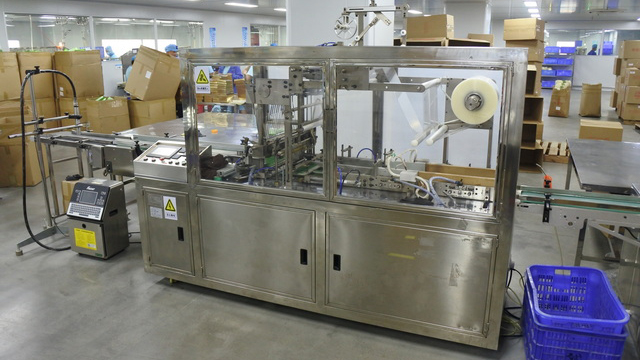
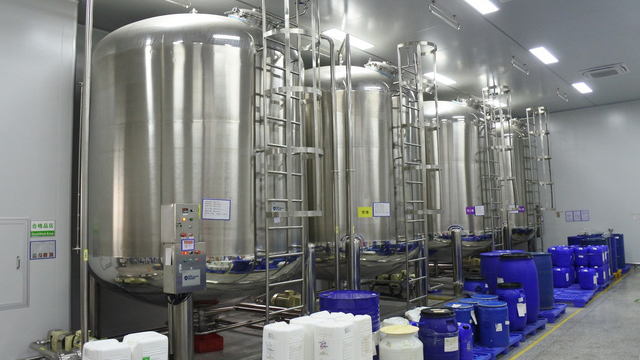
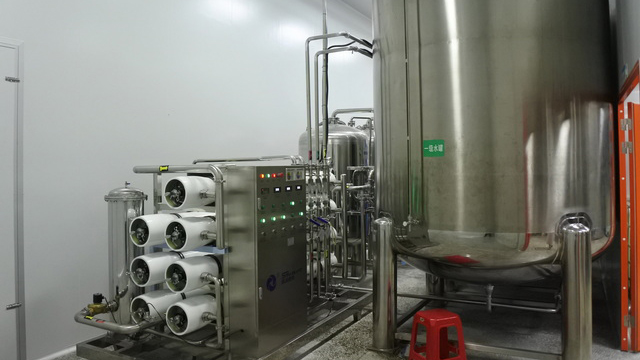
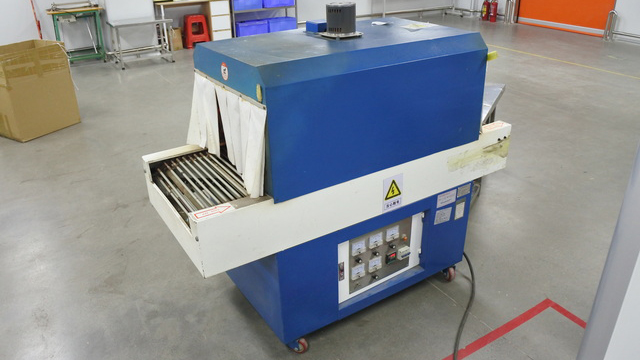
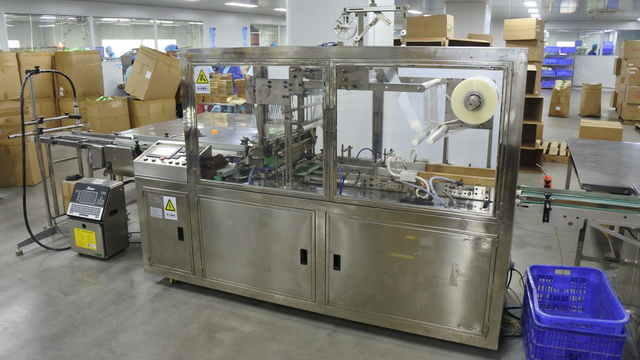
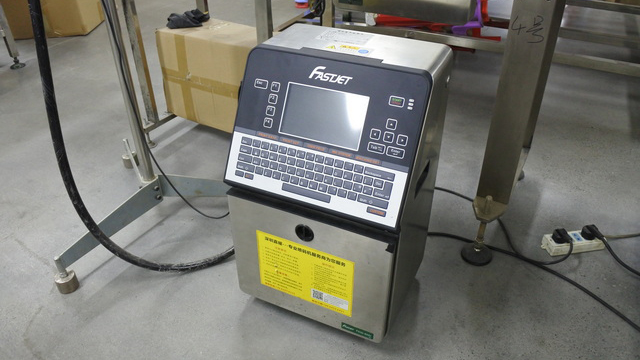
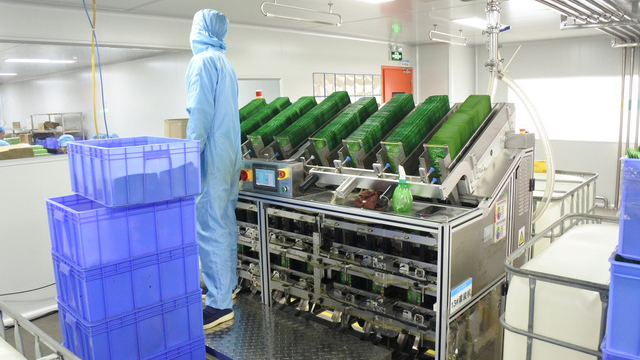
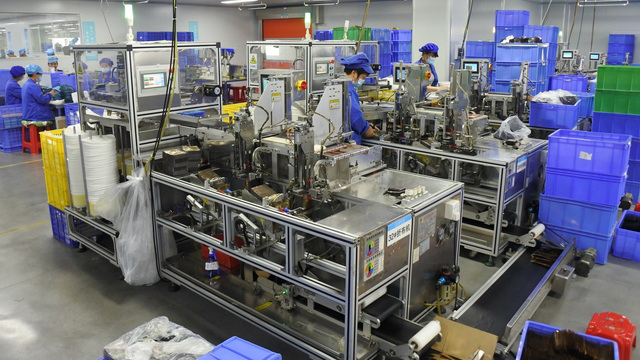
Intelligent Production & Industrial Operations


Technological Roadmap & Future Outlook
The future of lipid science: Biotechnology, eco-extracted botanical vectors, and custom skin barrier repair mechanisms.
As skincare brands globalize, R&D paradigms are centering on three core scientific trends:
1. Advanced Supercritical CO2 Fluid Extraction
Traditional hot-press or chemical extraction processes frequently denature active proteins and essential fatty acids within botanical ingredients. B2B manufacturers are shifting toward Supercritical CO2 extraction. This clean technology operates at low temperatures in an oxygen-free environment, yielding highly pure, pesticide-free oils that retain their natural structural integrity.
2. Bio-Fermented Lipids and Synthetic Biology
Driven by the rising cost of rare plants and sustainability concerns, manufacturers are utilizing bio-fermentation. This process involves using engineered microorganisms (yeasts/microalgae) to produce specific fatty acid profiles, such as Gamma-Linolenic Acid (GLA) or highly stable Squalene. This approach ensures consistent batch quality, independent of climate change and agricultural variables.
3. Targeted Transdermal Penetration Enhancers
The skin's natural barrier is designed to repel foreign substances. Future firming oils will utilize biocompatible liposomal vectors and natural skin-penetration enhancers (like clean, plant-derived terpene fractions). These additives temporarily open tight junctions in the epidermis, allowing key molecules (such as peptides, vitamin derivatives, and phytosterols) to reach target fibroblasts.
Comprehensive OEM/ODM Solutions for Global Brands
From formulation development and stability testing to compliance verification and high-speed packaging.
R&D & Custom Formulation
Collaborative formula development utilizing in-house dermatologists to optimize viscosity, absorption rates, and sensory characteristics.
Certifications & Quality
ISO 22716, GMPC, and FDA-registered laboratories conducting rigorous microbiological stability, heavy metal, and patch testing.
Turnkey Packaging Services
Sourcing and assembling premium primary containers, including airless glass dispensers and sustainable PCR (Post-Consumer Recycled) packaging.
Industry FAQ & Technical Insights
Essential guidance for cosmetic brand managers, sourcing agents, and product formulators.
Advanced Treatment Solutions
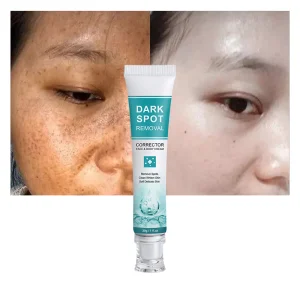
Clinical-grade serums, whitening solutions, and targeted devices to support post-procedure skin recovery.