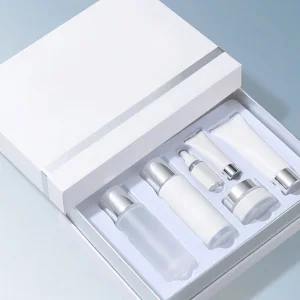
Aesthetic Formulations & Clinical Modalities
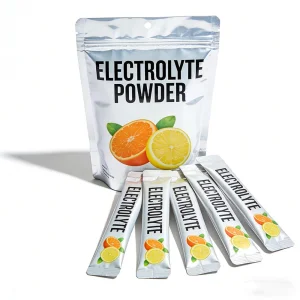
OEM Electrolyte Hydration Powder Drink Mix Organic Electrolyte Powder Packets For Adults
Inquire Specifications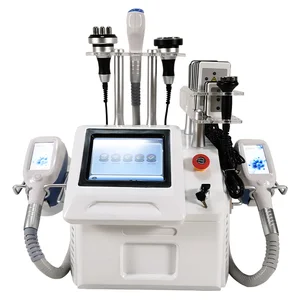
New Arrival 3 Handles Cryotherapy Cryolipolysis Machine Hot Selling Portable 360 Criofrequencia Body Slimming Beauty Machine
Inquire Specifications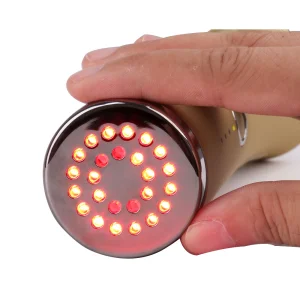
Red Light Therapy Device Beauty Device Led Therapy for Skin Tightening Skin Care Led Light Anti Aging Anti Wrinkle Device
Inquire Specifications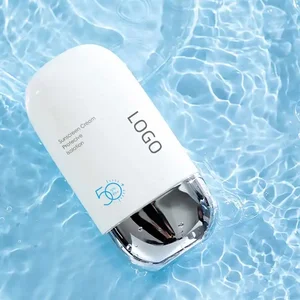
SPF 50 + Sunscreen Uv Protection Face Body Refreshing Moisturizing Sun Cream Lotion Sunblock Sunscreen For Skin
Inquire Specifications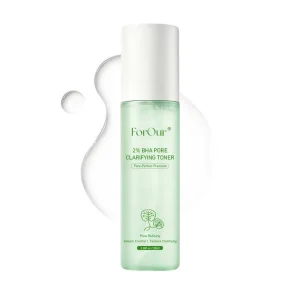
Customized Blackhead Remover Acne Treatment Pore Minimizing BHA Solution Oil Control Manufacturer
Inquire Specifications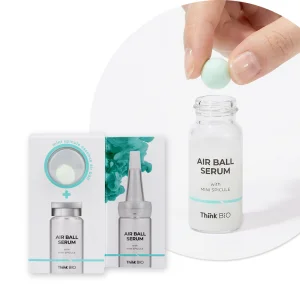
Think Bio Airball Serum Mini Spicule Freeze-Dried Active Ball Combined Pore Shrinking Firming Skin Renewal Soothing Anti-Aging
Inquire Specifications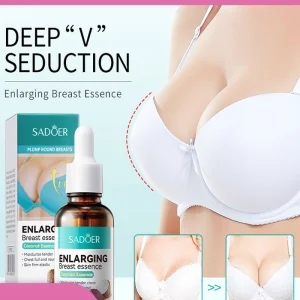
Wholesale Breast Enhancement Cream, Firming & Lifting Formula with Herbal Ingredients, Moisturizing Beauty Breast Care for Women
Inquire Specifications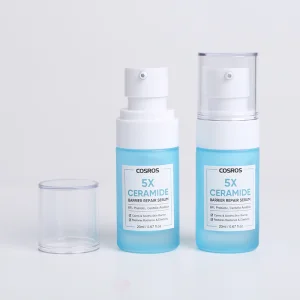
5X Ceramide Barrier Repair Serum Intense Hydration Skin Barrier Recovery Anti Aging Soothing Facial Serum for Dry Sensitive Skin
Inquire SpecificationsThe Macro Global Market for Brightening & Hyper-Pigmentation Correction
In the global cosmeceutical sector, the demand for highly targeted whitening and brightening treatments has transitioned from basic tone correction to highly complex, molecular-level dermatological interventions. Today's global consumer demands rapid, visible hyperpigmentation clearance without compromising the integrity of the epidermal skin barrier. As premier Custom OEM Brightening Treatment Suppliers & Exporters, we see a structural shift towards multi-pathway melanogenesis inhibitors.
Recent market intelligence reports value the global skin lightening and hyperpigmentation therapeutic market at over USD 9.5 billion, with a projected compound annual growth rate (CAGR) exceeding 6.8% through 2030. The drivers of this market are no longer merely localized cultural preferences in the Asia-Pacific region, but rather a global aesthetic demand to solve solar lentigines, post-inflammatory hyperpigmentation (PIH) caused by acne or clinical procedures, and systemic melasma across all Fitzpatrick skin types.
This high-growth paradigm is highly influenced by regulatory frameworks. Traditional depigmenting agents like hydroquinone face strict limitations or bans in regions such as the European Union (under Regulation EC 1223/2009) and the United States (via FDA Monograph updates), due to concerns over ochronosis and cytotoxicity. This has prompted major cosmetic brands and clinical institutions to seek advanced, biocompatible alternative pathways—such as peptide-engineered brightening agents, stabilised vitamin C isomers, and bio-fermented botanicals—driving the necessity of partnering with certified, technologically progressive manufacturers like Guangdong Kofi Beauty Co. Ltd.
Guangdong Kofi Beauty Co. Ltd.
Empowering Global Dermatology & Aesthetic Care Since 2009
Founded in 2009, Guangdong Kofi Beauty Co. Ltd. stands as a premier global benchmark in the professional skincare manufacturing and aesthetic technology space. We have constructed a highly integrated R&D and intelligent manufacturing ecosystem designed to meet the rigorous demands of professional dermatologists, clinical spas, and global cosmetics brand owners. Our state-of-the-art facility bridges the gap between pure dermatological science and industrial-scale production.
Today, our expertise in creating targeted solutions is recognized globally. Products developed, formulated, and packaged within our facilities are trusted and utilized by over 10,000 hospitals, professional dermatology clinics, and medical-aesthetic institutions in more than 50 countries. Operating under strict ISO 22716 and GMPC (US FDA) standards, we are dedicated to providing the global skincare market with stable, biologically active, and highly efficacious products.
Core Strategic Value Chain
- ✔ Certified Cleanroom Production (Class 100,000)
- ✔ Proprietary Liposomal Encapsulation Technology
- ✔ Dynamic Efficacy Verification & In-Vitro Assay Lab
- ✔ Comprehensive Documentation (COA, MSDS, Challenge Test)
- ✔ Full Localized Compliance Advisory Support
Molecular Engineering of Brightening Compounds
To understand the efficacy of modern brightening treatments, one must map out the physiological process of melanogenesis. Melanin synthesis occurs within specialized organelles called melanosomes inside epidermal melanocytes. The biochemical pathway is catalyzed primarily by the copper-dependent enzyme Tyrosinase. Effective cosmetic formulas must target different biological checkpoints to assure skin brightening without causing cell death.
| Active Ingredient | Biochemical Pathway / Mechanism | Stability Requirements | Target Treatment Application |
|---|---|---|---|
| Ethyl Ascorbic Acid (Vitamin C Derivative) | Inhibits tyrosinase activity by binding to copper active site; reduces pre-existing melanin. | pH 4.0 - 5.5; highly stable against thermal degradation. | Global skin evening, UV-induced dark spot correction. |
| Tranexamic Acid | Inhibits plasminogen activation; reduces arachidonic acid release preventing melanocyte stimulation. | pH 3.0 - 8.0; resistant to oxidation and light. | Post-Inflammatory Hyperpigmentation (PIH), Melasma mitigation. |
| Alpha-Arbutin | Reversible competitive inhibition of tyrosinase enzyme activity. | pH 4.9 - 6.5; must avoid hydrolysis into free hydroquinone. | Rapid fade formulas, targeting localized solar lentigines. |
| Niacinamide (Vitamin B3) | Inhibits transfer of melanosomes from melanocytes to surrounding keratinocytes. | pH 5.0 - 7.0; highly stable in standard emulsions. | Dullness improvement, skin barrier reinforcement. |
| Nonapeptide-1 | Antagonist of the Melanocyte Stimulating Hormone (alpha-MSH) receptor. | pH 4.0 - 7.5; peptide stability requires cold-process blending. | Preventative pigment control, post-acne scarring care. |
Guangdong Kofi Beauty's R&D department utilizes advanced delivery matrices to optimize the bioavailability of these molecules. Our proprietary Multiphase Liposomal Carrier System encapsulates delicate actives (like L-Ascorbic Acid or Retinol) in lipid vesicles. This shields them from premature oxidation due to atmospheric oxygen and light, and facilitates their penetration through the lipophilic stratum corneum, enabling targeted release into the deeper epidermal layers.
Clinical-Grade 14-Step Manufacturing Workflow
Our ISO 22716 and GMPC-certified facility operates with strict quality management protocols. Each process is automated and electronically tracked to ensure complete batch traceability.
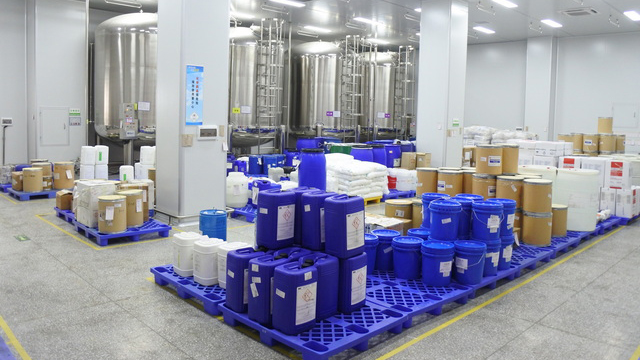
Microbiological & purity verification.
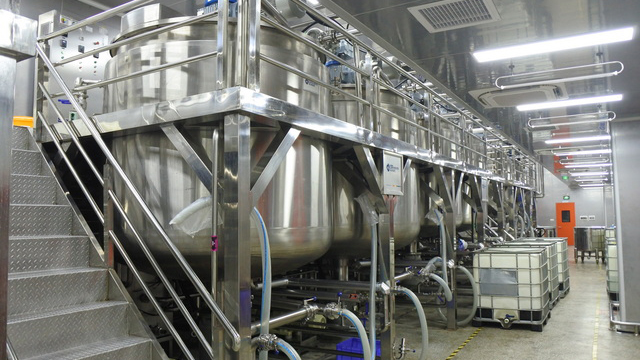
High-shear homogenization process.
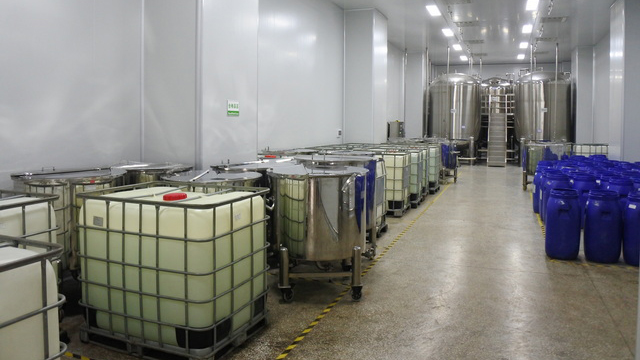
Viscosity and pH stabilization phase.
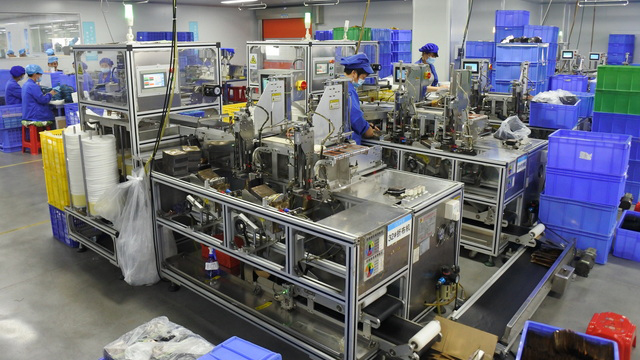
Uniform layer deposition control.
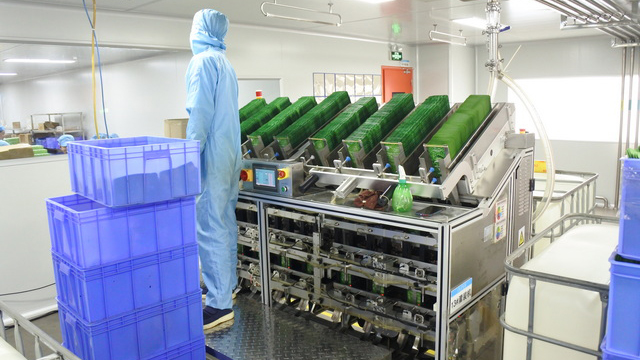
Class 100,000 sterile volumetric dosing.
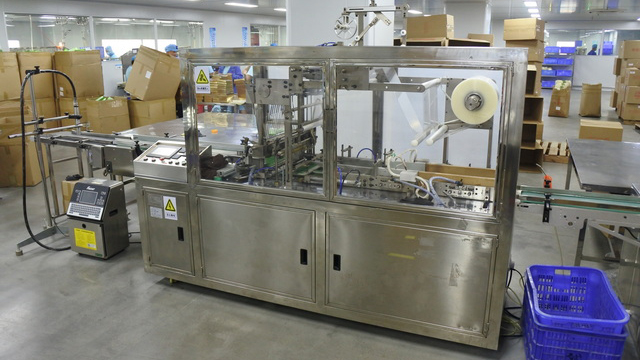
Primary air-tight capping & cartoning.
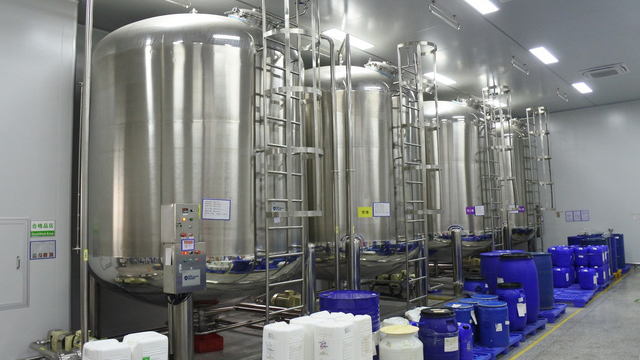
Stainless SUS316 airtight holding.
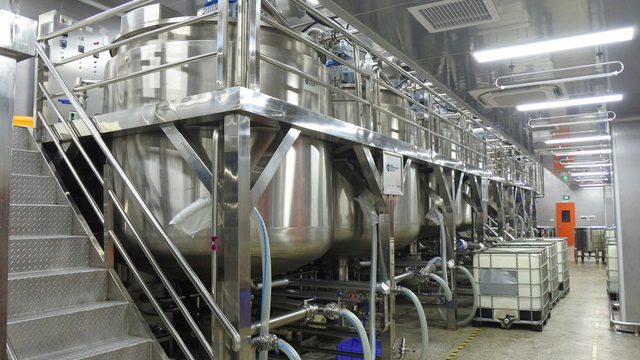
Micro-thermostat automated mixing.
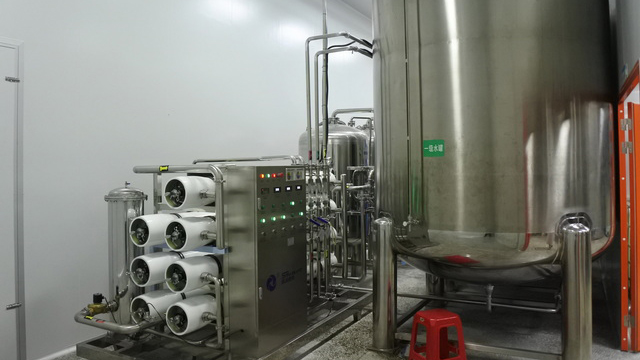
Double-stage reverse osmosis system.
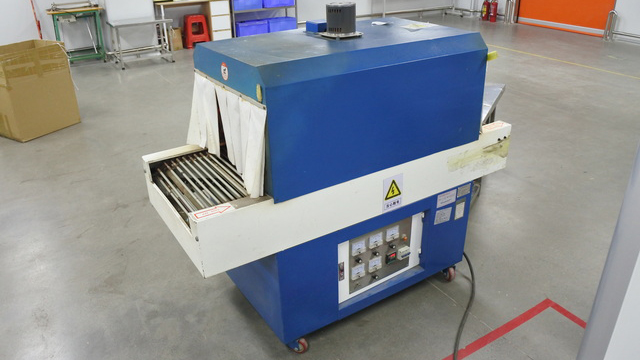
Tamper-proof safety sealing.
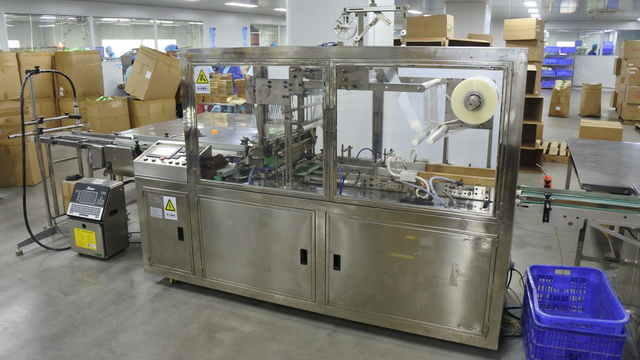
Outer protective film encapsulation.
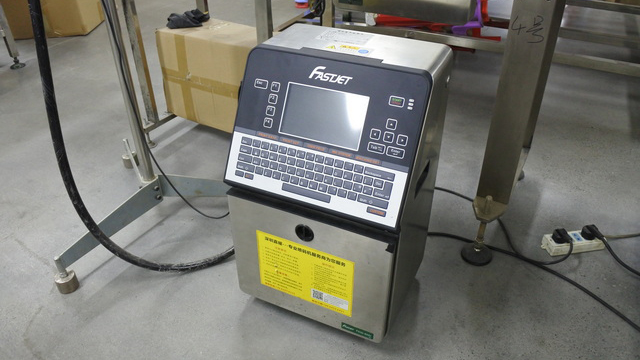
Real-time batch & expiry coding.
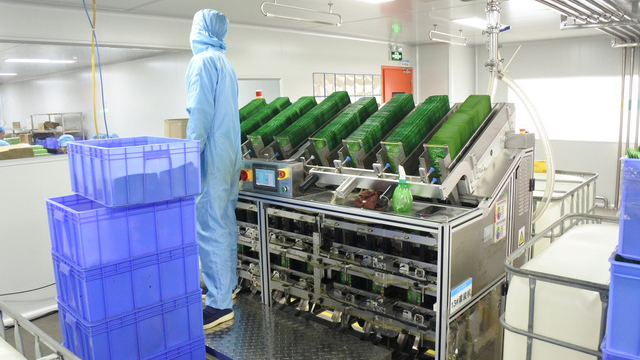
High-speed multi-nozzle dispenser.
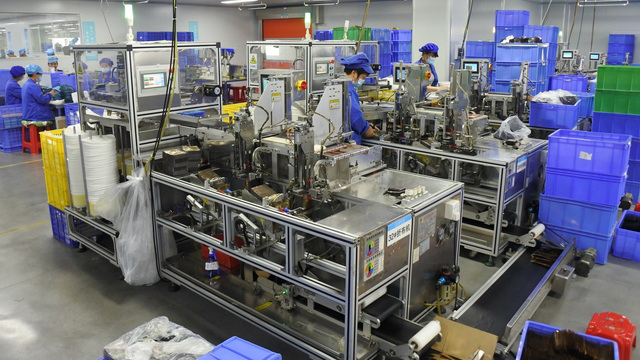
Secures external protective packaging.
Regulatory Frameworks & Global Export Infrastructure
Successfully importing cosmetics and aesthetic equipment globally requires adherence to complex regional regulatory protocols. Guangdong Kofi Beauty Co. Ltd. offers comprehensive compliance support to ensure custom formulations proceed smoothly through international customs. We provide a full technical documentation dossier, including Certificate of Analysis (COA), Material Safety Data Sheets (MSDS), Safety Assessments (under EU cosmetic regulations), and microbiological testing reports.
Regulatory Compliance Portals Supported
Whether registering skin formulations under the FDA Voluntary Cosmetic Registration Program (VCRP) in the United States, filing notification dossiers on the EU Cosmetic Product Notification Portal (CPNP), or complying with National Pharmaceutical Regulatory Agency (NPRA) requirements in ASEAN countries, we assist you at every stage. We configure labeling layouts to align with local regulatory frameworks, including ingredient declaration orders (INCI names) and product warning symbols.
Global Distribution & Cold-Chain Shipping Integrity
A major risk in importing active brightening skincare solutions is the thermal degradation of ingredients during maritime transport. For highly sensitive actives, we utilize specialized thermally insulated shipping containers and real-time temperature tracking devices. This ensures that the active molecules remain stable, and their biological potency is preserved from our warehouse to your localized distribution center.
Synergistic Protocols for Medical Spas & Clinics
In modern clinical environments, skin brightening is rarely achieved with a single product. Optimal outcomes are driven by integrated protocols that pair topical cosmeceuticals with advanced aesthetic devices. Guangdong Kofi Beauty manufactures and supplies both advanced skincare formulations and aesthetic machines to provide clinics with a cohesive treatment system.
1 Post-Laser & Energy-Device Protocols
Following CO2 fractional laser skin resurfacing or intensive IPL therapy, the epidermal barrier is temporarily compromised, increasing the risk of post-inflammatory hyperpigmentation (PIH). Our 5X Ceramide Barrier Repair Serum, combined with non-acidic brightening molecules like Nonapeptide-1, hydrates the skin and reduces pigment activation during the recovery phase, helping to protect post-procedure skin.
2 Micro-Needling & Spicule Transdermal Infusion
To bypass the stratum corneum barrier, clinics utilize our Think Bio Airball Serum featuring micro-spicules. These natural microscopic needles create micro-channels in the skin, facilitating the delivery of lyophilized peptide powders and ascorbic acid derivatives deeper into the epidermis, where they can target melanocytes directly.
The Future of Hyperpigmentation R&D
Guangdong Kofi Beauty's R&D division is focused on sustainable innovations and biotechnology. As consumers look for effective, clean-label alternatives, we are investing in Green Chemistry Extraction Methodologies. We use subcritical water extraction and supercritical carbon dioxide extraction to isolate pure botanical whitening polyphenols without relying on toxic organic solvents.
We are also exploring the field of Epigenetic Cosmeceuticals. Our laboratories are researching microRNA-regulating peptides that can modulate the gene expression of tyrosinase-related proteins (TRP-1 and TRP-2) without altering the cellular DNA sequence. This represents a promising path toward targeted, non-sensitizing pigment correction, offering a sustainable alternative to traditional chemical peel approaches.
Technical Q&A & Formulation Insights
Common B2B manufacturing and formulation questions answered by our laboratory directors.
Clinical Devices & Advanced Skin Care Systems
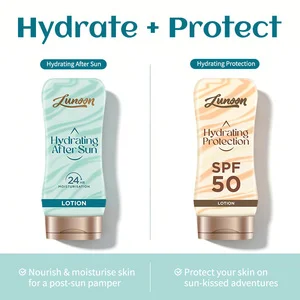
Sunscreen & After-Sun Moisturizing Cream SPF50 PA+++ Herbal Mineral Vegan Oil Control
Inquire Specifications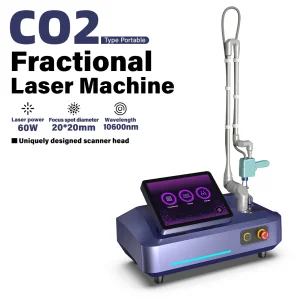
Ce Co2 Fractional Portable Laser Machine Vaginal Tightening Skin Rejuvenation Wrinkle Reduction Beauty Machine
Inquire Specifications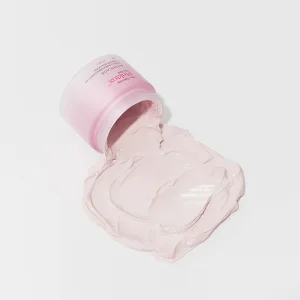
Effective Sebum Absorbing Clay Pore Minimizing Face Mask Pink Clay Detox For Deep Cleansing
Inquire Specifications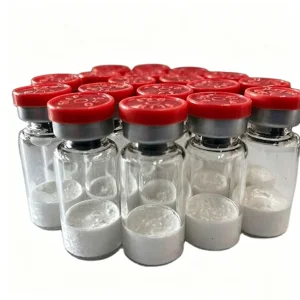
Wholesale OEM/ODM Multi-Action Peptide Lyophilized Powder Skin Revitalizer Firming Moisturizing Soothing Concentrate
Inquire Specifications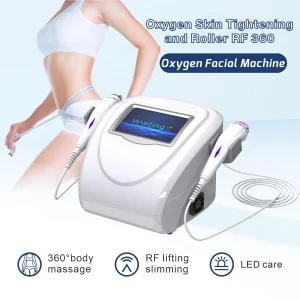
Multi-functional CO2 Oxygeno Bubble Facial Machine Collagen Induction Wrinkle Reduction Device Professional Use
Inquire Specifications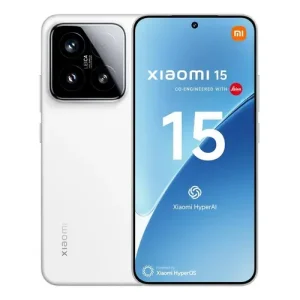
Xiaomi 15 12+512 Blanco Dual Sim
Inquire Specifications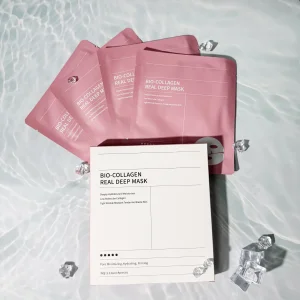
Bio-Collagen Sheet Face Mask Bulk-Pore Minimizing Nourishing Glow for Women All Skin Types
Inquire Specifications