Dermatological & Clinical Grade Formulations
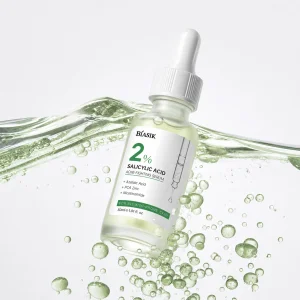
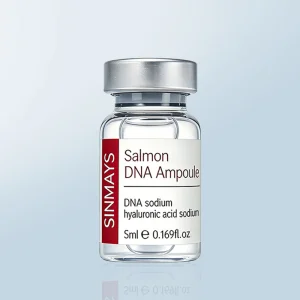
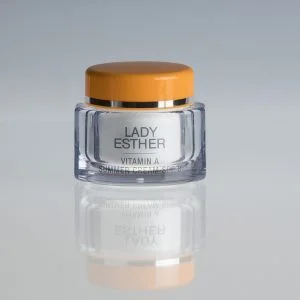
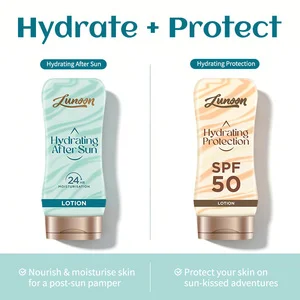
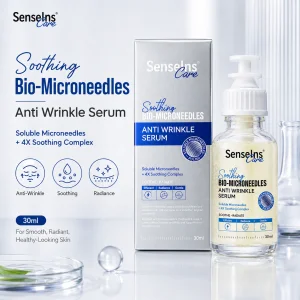
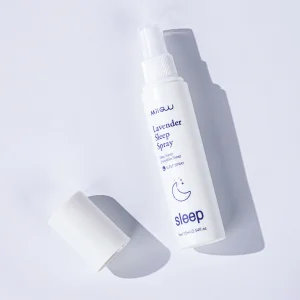
Explore our top-performing therapeutic skincare products engineered for sebum control, hydration balance, and recovery. Manufactured under strict ISO 22716 standards.


2009
Year Established
50+
Countries Reached
10,000+
Institutions & Clinics Served
15+
Global Exclusive Partners
Whitepaper: Industrial Evolution of Sebum Control Formulations in China
The global cosmetic market is witnessing a paradigm shift. Consumers no longer settle for temporary mattifying powders; they demand biological sebum regulation that treats the root causes of hyperseborrhea without compromising skin barrier integrity. Sebum control skincare represents one of the fastest-growing sub-sectors within clinical and functional cosmetics. As global brands look for reliable, scalable, and innovative manufacturing hubs, China’s top sebum control factories have evolved from high-volume manufacturers to primary centers for biotechnology R&D, regulatory compliance, and green chemistry integration.
At the center of this industrial revolution stands Guangdong Kofi Beauty Co. Ltd. Founded in 2009, Guangdong Kofi Beauty Co. Ltd. is a leading company dedicated to skincare innovation and professional beauty solutions. As an integrated R&D and intelligent manufacturing base for dermatology and aesthetic skincare products, Kofi Beauty continuously explores new formulations, advanced functions, and effective skincare technologies, supported by patented innovations and customized product development.
This comprehensive industry analysis explores the scientific pathways, supply chain dynamics, technological roadmaps, and international trade infrastructures that position China's cosmetic manufacturers at the forefront of the global functional skincare market.
1. The Scientific Paradigm & Biological Pathways of Modern Sebum Control
Sebaceous gland activity is controlled by a complex web of hormonal, environmental, and genetic triggers. Historically, formulation approaches focused heavily on oil-absorbing clays and astringents. While effective for short-term visual correction, these physical mechanisms often strip the skin's lipid barrier, leading to compensatory hyperseborrhea—a rebound effect that exacerbates oil production.
China's top R&D laboratories have pivoted toward biochemical pathway targeting. The modern formulation framework relies on three distinct physiological approaches:
- 5α-Reductase Inhibition: Testosterone is converted to the more potent androgen Dihydrotestosterone (DHT) within the sebaceous gland by the enzyme 5α-reductase. By utilizing bio-active compounds such as Zinc PCA, Nordihydroguaiaretic Acid (NDGA), and specific botanical extracts, formulators can directly down-regulate sebum synthesis at the genetic level.
- Lipidomic Alteration and Microbiome Harmony: Sebum contains specific lipids—namely squalene, wax esters, and triglycerides. Under pathological conditions, squalene oxidizes, creating comedogenic byproducts that promote Cutibacterium acnes proliferation. Formulators integrate high-stability antioxidants alongside prebiotic components to prevent lipid oxidation and sustain a healthy micro-ecosystem.
- Inflammatory Cascade Disruption: Excess sebum production causes local micro-inflammation. Modern oil-control formulations incorporate barrier repair actives such as PDRN (Polydeoxyribonucleotide) and niacinamide, simultaneously reducing redness and restoring the lipid matrix to prevent future hypersecretion.
2. Guangdong Kofi Beauty Co. Ltd.: Scientific Competence & Professional Recognition
For more than a decade, Guangdong Kofi Beauty Co. Ltd. has built a reputation for scientific rigor, clinical validation, and manufacturing efficiency. With a strong international distribution network, the company works with exclusive partners in more than 15 countries worldwide. At the same time, it continues to welcome new opportunities for experienced and forward-thinking skincare distributors and partners who share a passion for the global beauty industry.
At Kofi Beauty, skincare is more than a daily routine—it is a science-driven and results-oriented experience. Our products are designed not only to enhance skin health and beauty, but also to provide effective solutions for post-treatment and dermatological care needs, including sensitive and recovery-stage skin. We place strong emphasis on efficacy, safety, and continuous innovation, ensuring that every product is developed under strict quality control standards and delivers visible, reliable results. By combining dermatological research with advanced cosmetic technology, we aim to bridge the gap between clinical skincare and everyday beauty care.
Today, over 10,000 hospitals, dermatology clinics, and professional skincare institutions across more than 50 countries trust and use products associated with Kofi Beauty’s manufacturing expertise. This global recognition reflects our commitment to scientific advancement, product reliability, and deep understanding of evolving skincare trends. Driven by continuous innovation, Guangdong Kofi Beauty Co. Ltd. integrates scientific research, academic collaboration, and advanced manufacturing capabilities with strong market insight and customer-oriented service. Our mission is to deliver professional-grade skincare solutions that empower both practitioners and end users.
3. China Factory 4.0: Supply Chain Resilience, Automation & Production Processes
The transition toward intelligent manufacturing, commonly referred to as "Factory 4.0," has allowed Chinese cosmetic factories to secure unmatched production efficiency and product consistency. High-precision manufacturing is essential for active skincare products, where minor temperature shifts or oxidation during processing can render botanical and biotechnological ingredients inactive.
By automating raw material dispensing, utilizing sterile vacuum emulsification systems, and deploying real-time inline quality checks, factories eliminate human error and microbial contamination risks. This infrastructure enables consistent scaling from clinical pilot runs to large-scale commercial output.
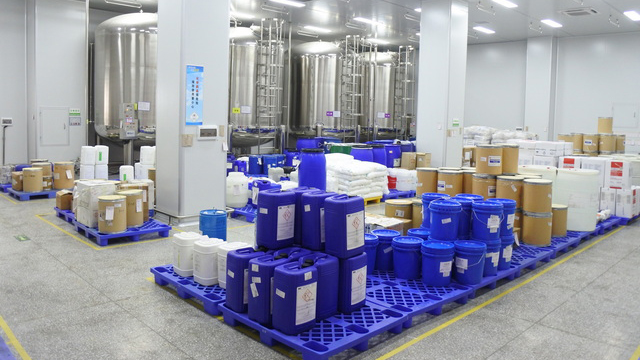
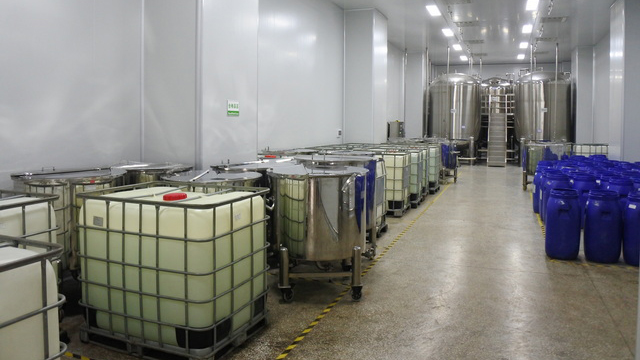
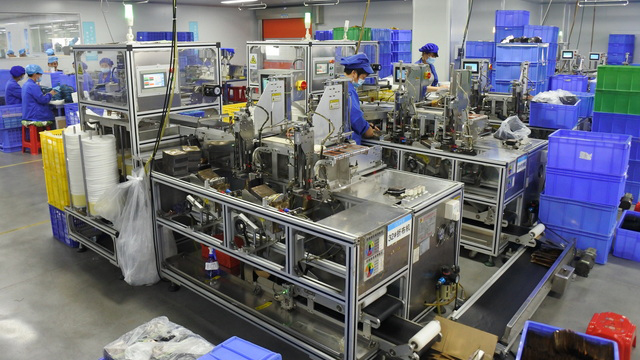
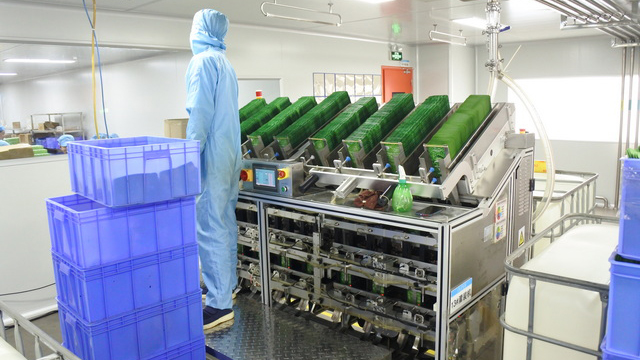
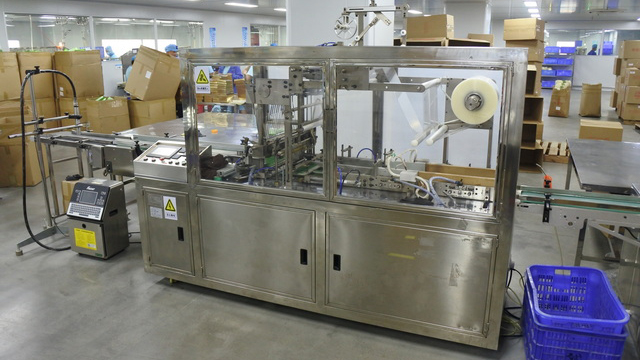
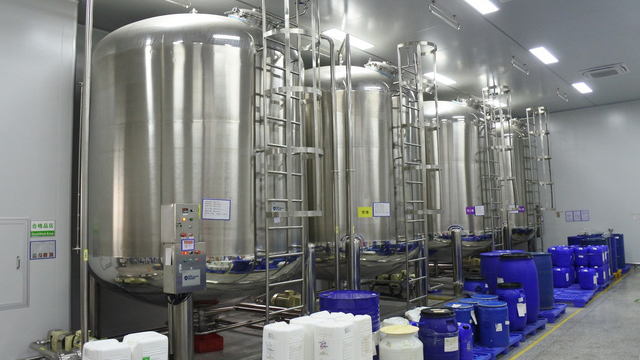
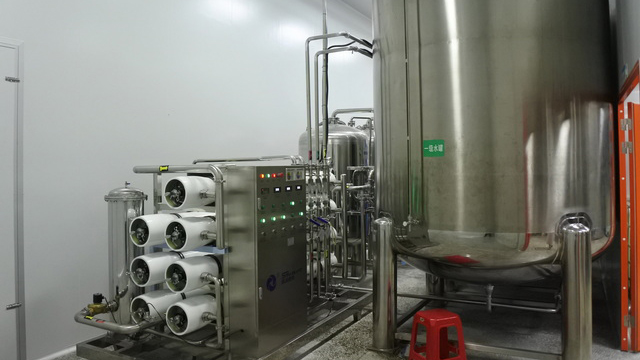
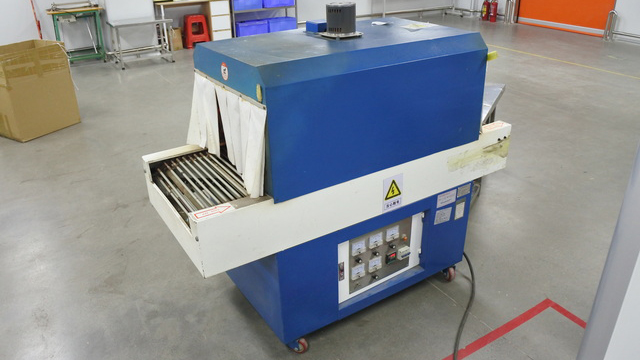
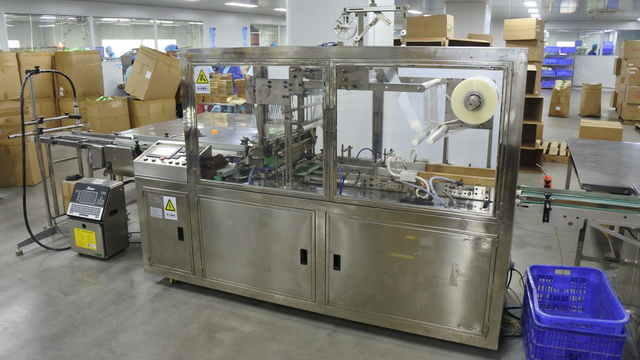
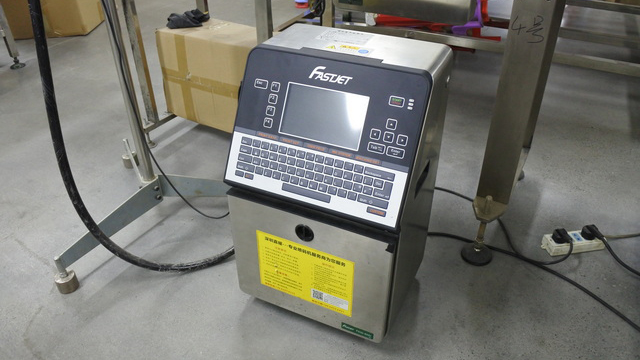
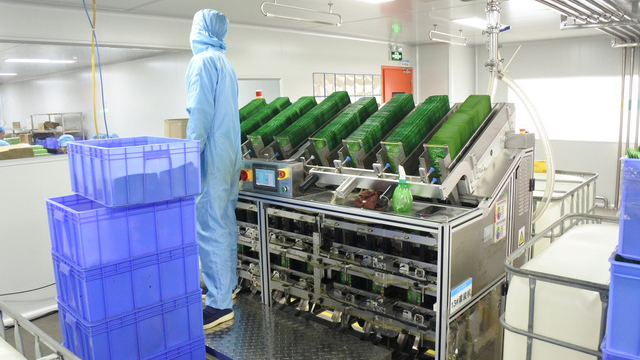
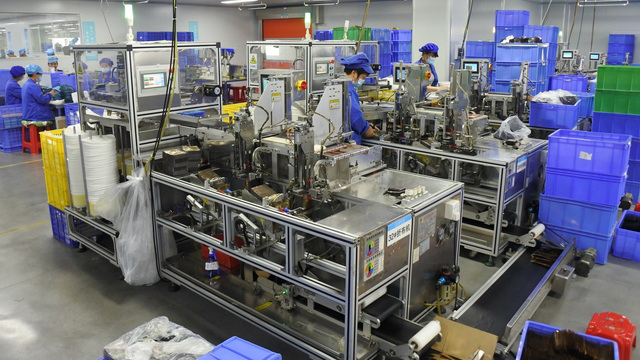
Industrial Process & Production Equipment
Visualizing the step-by-step manufacturing, emulsification, filling, and packaging workflow inside our specialized facility.


4. Technological Roadmap & Future Outlook (2025–2030)
The future of sebum control lies at the intersection of AI-assisted skin diagnostics, biomimetic raw materials, and precision delivery vehicles. In the next five years, the industry is projected to move away from generic formulas toward personalized and adaptive oil-control systems.
AI-Driven Skin Profiling and Custom Formulations
With diagnostic devices growing increasingly sophisticated, manufacturers are integrating custom API tools that translate real-time sebum, pore size, and hydration metrics into bespoke production routines. By using modular production lines, factories can adjust the ratio of oil-controlling and moisture-retaining ingredients dynamically, meeting the demand for hyper-personalized consumer skincare.
Advanced Delivery Vehicles: Liposomes, Micelles, and Nanospheres
Active sebum-control agents like salicylic acid, zinc compounds, and retinol are highly potent but can be unstable or irritating. The roadmap centers on encapsulating these active ingredients in sub-micron carrier systems. These biocompatible spheres fuse with skin lipids, releasing actives gradually inside the sebaceous follicles. This approach increases target efficacy while reducing surface irritation.
Bio-fermented and Upcycled Sustainable Actives
Environmental compliance is driving the transition toward green chemistry. Traditional oil-control ingredients, often synthetic or unsustainably harvested, are being replaced by bio-fermented alternatives. By using microbial fermentation, factories produce pure organic acids, biosurfactants, and enzymes that show high oil-regulation activity while reducing carbon output.
5. Global Procurement Requirements & Macro Industry Solutions
For international buyers, sourcing from Chinese manufacturers requires alignment on quality assurance, capacity planning, and regulatory compliance. Top-tier factories have built structured solutions to meet the demands of global supply chains:
Compliance & Certifications
Exporting functional skincare globally requires adherence to international regulations, including GMPC, ISO 22716, FDA registrations, and European CPNP filings. Top factories provide comprehensive documentation, such as safety data sheets (SDS), heavy metal testing, and stability reports, ensuring smooth customs clearance.
Agile MOQ & Scalability
To support brands through varying stages of growth, leading exporters utilize a tiered Minimum Order Quantity (MOQ) structure. This setup allows emerging brands to start with smaller test batches, while ensuring the high-speed production capacity needed to scale as demand rises.
Localization Support
Navigating global regulatory landscapes requires customized support. Leading exporters offer localized regulatory consulting, packaging adaptation services, and marketing material translations. This ensures products align with local standards and consumer preferences in target markets.
6. Comprehensive Q&A (FAQ) for Professional Procurement Officers
Advanced Esthetic Devices & Recovery Treatments
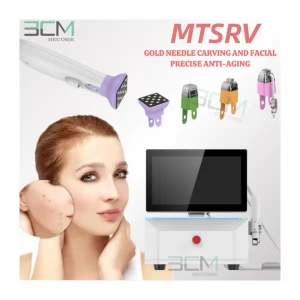
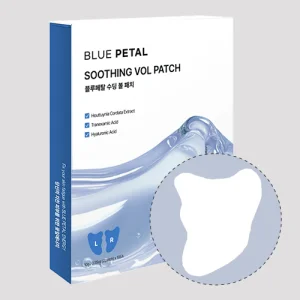
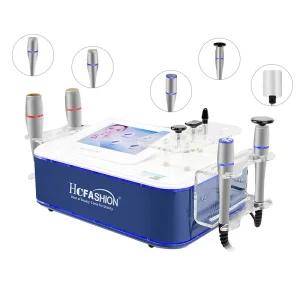
Industrial-grade beauty devices and targeted clinical recovery solutions. Built for hospitals, premium medspas, and aesthetic clinics globally.