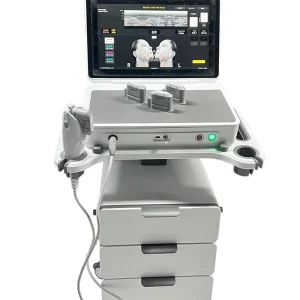
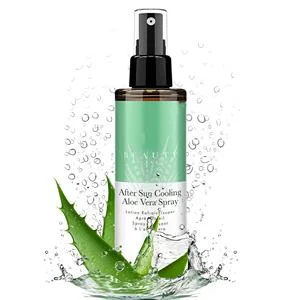
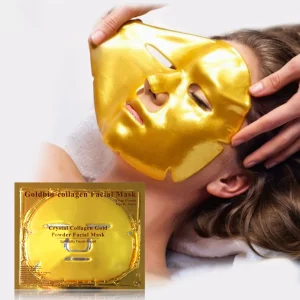
Featured Global Supply Portfolio (Group A)

1. Executive Summary: The Evolution of Gentle Cleansing Science
Within the global dermatology and personal care market, facial cleansing has transitioned from a basic hygiene routine to a sophisticated, therapy-supportive intervention. Today's consumers, guided by clinical recommendations and micro-influencer education, demand products that respect the skin's biological balance. At the core of this transition lies the need for gentle cleansers—formulations that effectively remove dirt, pollutants, and sebum without disrupting the delicate stratum corneum and intercellular lipids.
Historically, cleansing products relied on harsh, anionic surfactants like Sodium Lauryl Sulfate (SLS) and Sodium Laureth Sulfate (SLES). While efficient at removing dirt, these ingredients often damage the skin barrier by denaturing proteins and extracting vital lipids. This leads to increased transepidermal water loss (TEWL), erythema, and chronic irritation. To address this issue, modern cosmetic science has developed mild surfactant mixtures, biomimetic lipids, and precise pH balancing. Guangdong Kofi Beauty Co. Ltd., founded in 2009, is at the forefront of this scientific shift, offering advanced R&D and manufacturing capabilities to deliver high-efficacy, dermatological-grade gentle cleansers.
"True gentle cleansing is not merely the omission of harsh chemicals; it is the active engineering of molecular micellar structures that selectively encapsulate impurities while leaving the intercellular lipid matrix completely intact."
2. Global Industry Trends & Formulation Science
Several key macro trends shape the global gentle cleanser market. For B2B procurement managers and brand developers, understanding these dynamics is essential for alignment with consumer demands:
A. The Dominance of Amino Acid Surfactants
Formulations containing amino acid-based surfactants—such as Sodium Cocoyl Glutamate, Sodium Lauroyl Sarcosinate, and Sodium Cocoyl Glycinate—have experienced substantial growth. Unlike traditional sulfates, these surfactants are derived from natural fatty acids and amino acids. They have a lower affinity for stratum corneum proteins, minimizing swelling and cellular damage during use.
B. Microbiome-Safe and Prebiotic-Infused Formulations
The skin microbiome acts as a vital protective shield. Modern gentle cleansers are designed to support this ecosystem. Incorporating prebiotics (such as inulin or alpha-glucan oligosaccharides) and postbiotics helps maintain microbial diversity, preventing dysbiosis and associated inflammatory conditions like acne and eczema.
C. The Rise of "Clean & Conscious Beauty"
Regulatory frameworks and consumer groups continue to restrict controversial ingredients. There is a strong global shift toward biodegradable surfactants, PEG-free emulsifiers, and synthetic fragrance-free profiles. Formulating clean alternatives that maintain rich texture and foam properties remains a key challenge for global R&D teams.
3. B2B Procurement Standards: What Global Brands Require
Sourcing gentle cleansers from China requires rigorous evaluation of manufacturing partners. International brands look for specific indicators of stability, compliance, and clinical efficacy:
1. Strict Certification Profiles: Compliance with ISO 22716 (Cosmetics Good Manufacturing Practices) and US FDA GMP standards is mandatory. For brands targeting the European Union or North American markets, formulation compliance with REACH and Prop 65 is crucial.
2. Advanced Efficacy Testing: Reliable suppliers must offer validated clinical test data. This includes *in vitro* eye irritation testing (such as the HET-CAM assay), repeat insult patch tests (RIPT) for skin sensitization, and instrumental evaluations of TEWL and sebum retention.
3. Supply Chain Security and Traceability: Sourcing raw materials from verified, ethical suppliers ensures batch-to-batch consistency. Traceability documentation for key ingredients is essential for maintaining product credibility on global shelves.
4. Guangdong Kofi Beauty Co. Ltd.: Macro Manufacturing & Solutions
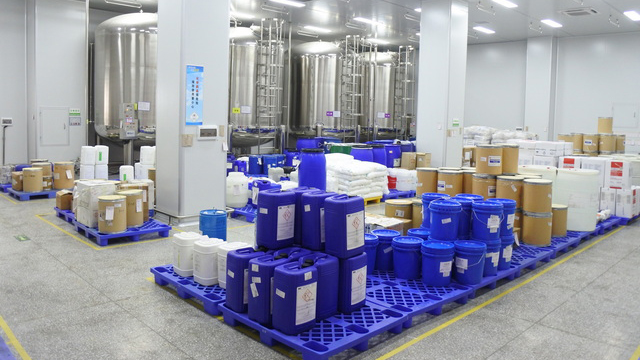
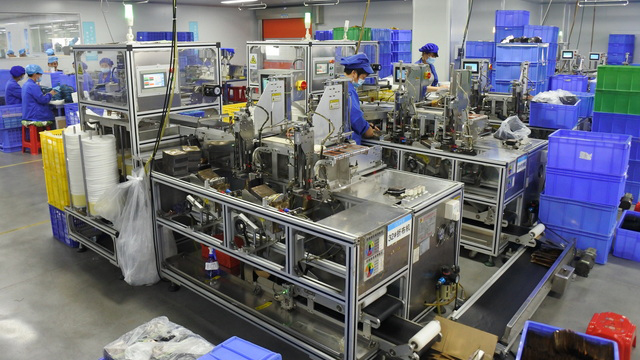
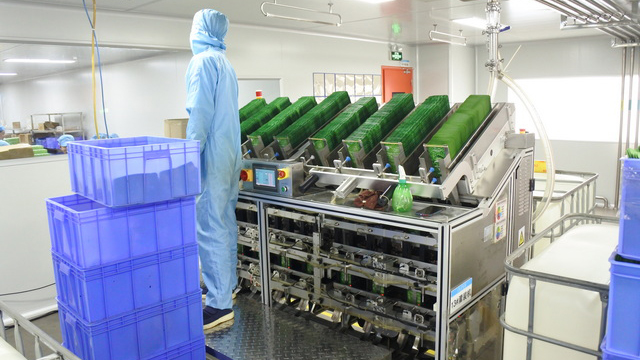
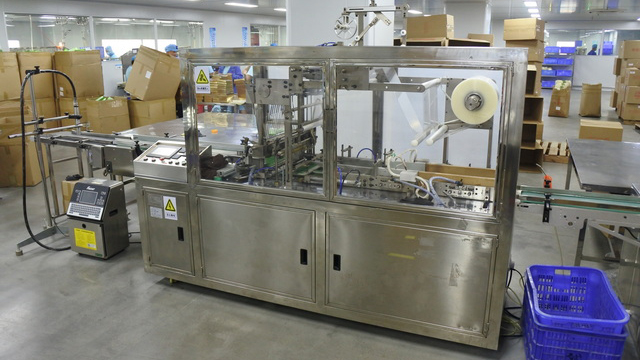
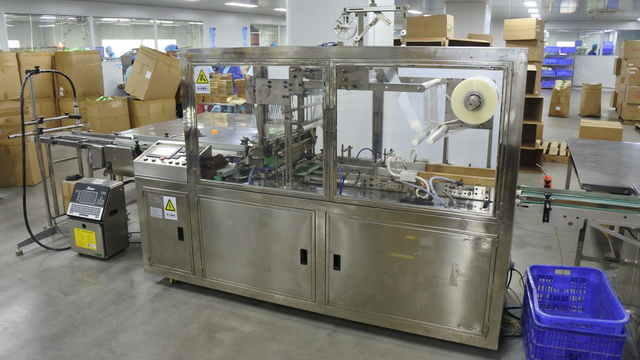
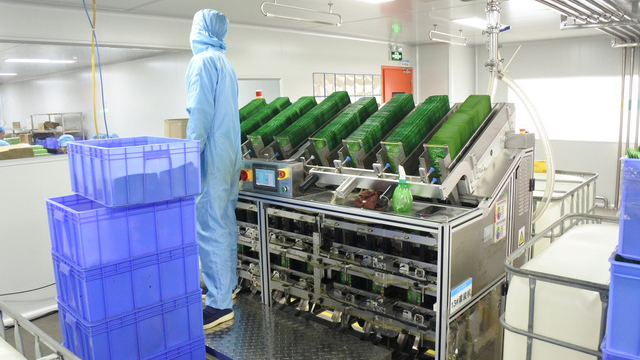
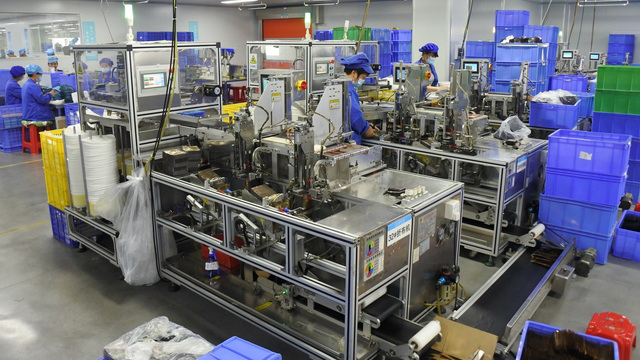
Guangdong Kofi Beauty Co. Ltd. stands as a key partner in advanced dermatology and aesthetic skincare manufacturing. Integrating scientific research, academic collaboration, and intelligent manufacturing, the company delivers professional-grade gentle cleansers tailored for global distribution.
With an extensive distribution footprint covering over 15 partner countries and products trusted by more than 10,000 clinics and hospitals globally, Kofi Beauty bridges the gap between clinical research and everyday skincare. Our systems prioritize stability and bio-compatibility at every step of the process.







5. Technical Roadmap & Future Directions
To remain competitive in the global skincare market, our R&D roadmap focuses on key technological advancements:
A. Liquid Crystal Emulsion Technology
Traditional surfactant mixtures can form chaotic micellar patterns that disrupt the lipid bilayers of the skin. By utilizing liquid crystal emulsification, we structure formulas to mimic the skin's lipid barrier. This minimizes irritation potential and improves lipid replenishment during cleansing.
B. Smart Surfactant Delivery Systems
Future gentle cleansers will utilize polymer-surfactant complexes. These structures increase the size of micelles, preventing them from penetrating deep into the stratum corneum. This limits cleansing action to surface soils while protecting underlying cellular matrixes.
C. Clean Biotechnology & Biosurfactants
We are incorporating biosurfactants like rhamnolipids and sophorolipids produced via microbial fermentation. These agents offer high biodegradability, low toxicity profiles, and excellent skin compatibility, aligning with global sustainability initiatives.
6. Key Sourcing & Technical FAQ
Featured Global Supply Portfolio (Group B)