Featured Medical Post-Treatment Products (I)
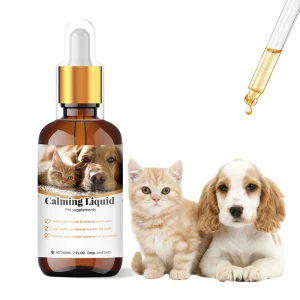
Sleep-improving Liquid Calming and Soothing Liquid Suitable for Cats and Dogs to Calm and Relieve Anxiety Drops
Inquire Now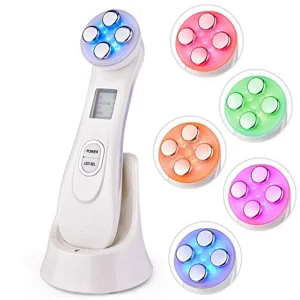
Reducing Face Wrinkle Personal Care Device Super March Promotion Wrinkle Remove Beauty Salon Equipment
Inquire Now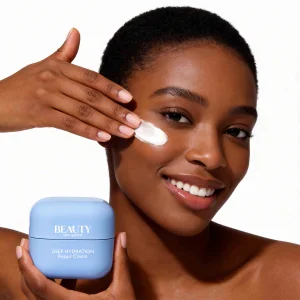
Private Label OEM Moisturizing Face Cream Deep Hydration Long Lasting Hydrate Dry Skin Make Skin Soft and Smooth Daily Skin Care
Inquire Now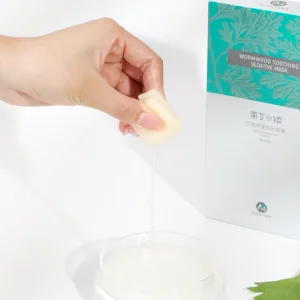
Mugwort Soothing Calming Facial Mask Natural Herbal Hydrating Repair Sheet Mask for Sensitive Dry Irritated Skin Daily Skincare
Inquire Now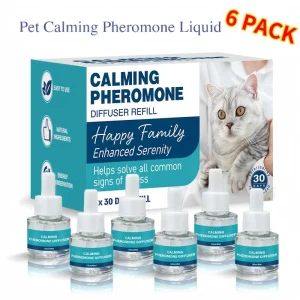
Instant Delivery 6-Pack Cat Calming Liquid Emotion Soothing Anxiety Relief Set Supplement
Inquire Now
The Global Landscape of Post-Treatment Skin Recovery
Analyzing the paradigm shift in aesthetic medicine, clinical dermatology, and the micro-wound recovery market.
The Imperative Need for Specialized Care Post-Procedure
The global aesthetic market has witnessed exponential growth in non-invasive and minimally invasive procedures. Clinicians worldwide perform millions of fractional laser skin resurfacings, chemical peels, micro-needling, radiofrequency (RF) procedures, and High-Intensity Focused Ultrasound (HIFU) applications annually. However, the success of these clinical interventions depends heavily on post-treatment care.
When the epidermal barrier is intentionally compromised or thermally modulated, the skin transitions into an acute inflammatory state. Standard consumer skincare products fail during this stage due to fragrance, active allergens, and incorrect lipid ratios. Formulators must balance barrier repair, reduce transepidermal water loss (TEWL), and prevent infection under rigorous physiological constraints.
- Reduced Inflammatory Window: Fast recovery minimizes downtime and decreases post-inflammatory hyperpigmentation (PIH).
- Sterility & Low Toxicity: Formulations must comply with ISO 22716 / GMP standards to prevent contact dermatitis on open micro-wounds.
- Synergistic Healing: Formulations must supply necessary building blocks (amino acids, panthenol, customized lipids) for cellular proliferation.
Global Post-Treatment Market Growth
The global medical-grade skincare market is projected to expand at a compound annual growth rate (CAGR) of 8.4% through 2030, with post-treatment products outperforming general cosmetics. The surge in energy-based device treatments directly correlates with the rising demand for sterile barrier recovery creams and soothing serums.
Enterprises requiring OEM/ODM sourcing must partner with verified manufacturers who understand both regulatory compliance and formulation stability under thermal stressing conditions.
Deciphering CE Certification & International Standards
Why regulatory verification is the ultimate trust metric in post-treatment medical aesthetic supply chains.
CE Mark Verification
CE certification confirms that post-treatment care products comply with European Union safety, health, and environmental protection requirements. For post-treatment cosmetics, this requires a rigorous Safety Assessment Report (CPSR) under Regulation (EC) No 1223/2009. For formulations designed to act as physical barriers on breached skin, compliance with the Medical Device Regulation (MDR 2017/745) ensures safe global clinical distribution.
ISO 22716 & Cleanroom GMP
Manufacturing post-procedure skincare requires controlled cleanroom environments. Operating under Class 100,000 (ISO 8) or Class 10,000 (ISO 7) cleanroom standards reduces particulate and microbial contamination risks. This standard ensures that soothing liquids, hydrogel sheet masks, and barrier-repair creams maintain batch-to-batch sterility and stability without relying on harsh preservatives.
Hypoallergenic & Toxicological Testing
To establish clinical trustworthiness, our formulations undergo comprehensive testing, including HRIPT (Human Repeat Insult Patch Test), cytotoxicity testing, and heavy metal screening. These protocols assure clinical buyers that our products will not trigger sensitization or worsen erythema on inflamed, post-operative skin.
2009
Established
10,000+
Hospitals & Clinics Served
50+
Countries Exported
100%
CE & GMP Compliant
Guangdong Kofi Beauty Co. Ltd.
A leading integrated R&D and intelligent manufacturing base for dermatology and aesthetic skincare products.
Formulation Innovation Meets Clinical Grade Production
Founded in 2009, Guangdong Kofi Beauty Co. Ltd. is an integrated R&D and intelligent manufacturing base specializing in dermatology and aesthetic skincare products. Over the past decade, the company has explored new formulations, advanced product functions, and effective skincare technologies. These efforts are supported by patented innovations and custom product development.
Kofi Beauty has established a strong international distribution network, working with exclusive partners in more than 15 countries. We welcome new opportunities to partner with skincare distributors who share our passion for the global beauty industry.
At Kofi Beauty, skincare is a science-driven, results-oriented discipline. Our products are formulated to enhance skin health while providing recovery solutions for post-treatment, sensitive, and compromised skin. We focus on efficacy, safety, and continuous innovation, ensuring every product meets strict quality control standards. Today, over 10,000 hospitals, clinics, and professional institutions in 50+ countries trust Kofi Beauty’s manufacturing expertise.
Advanced Manufacturing Equipment & Scientific Control
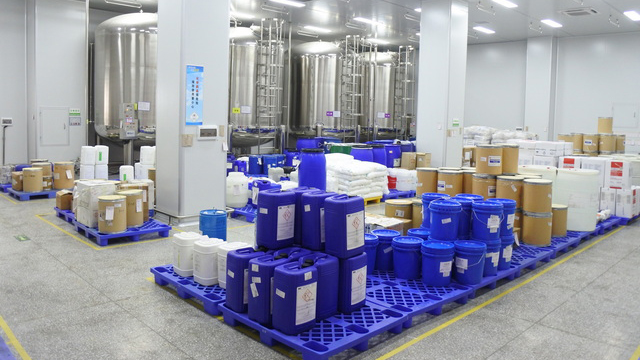
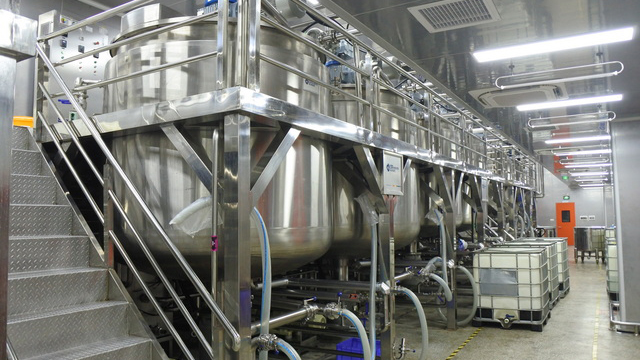
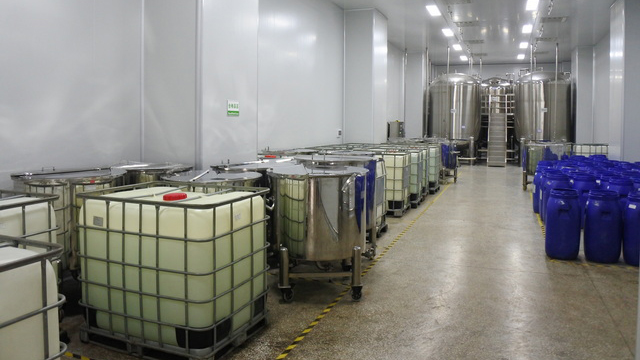
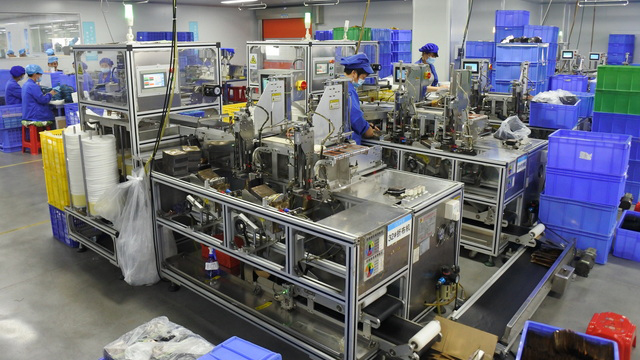
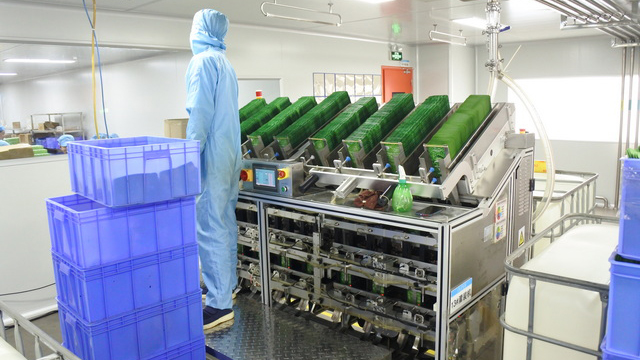
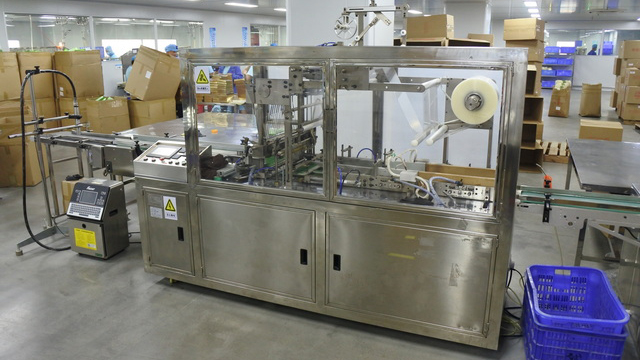
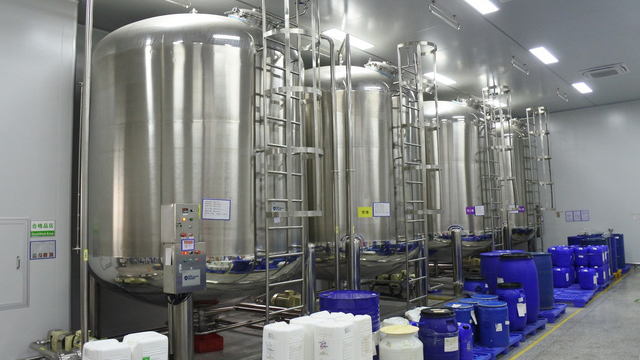
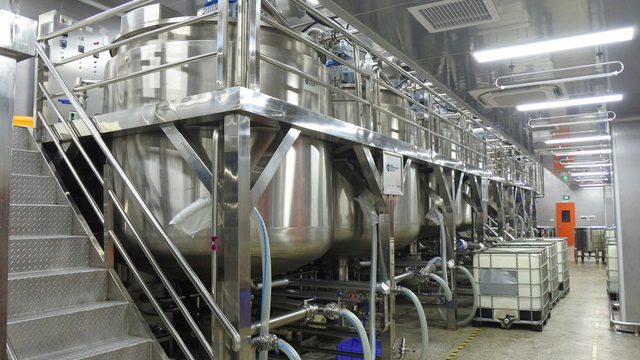
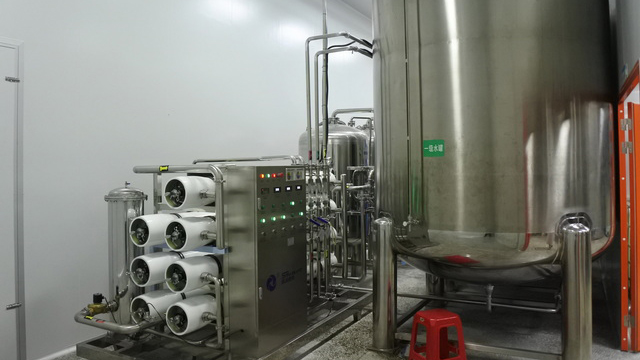
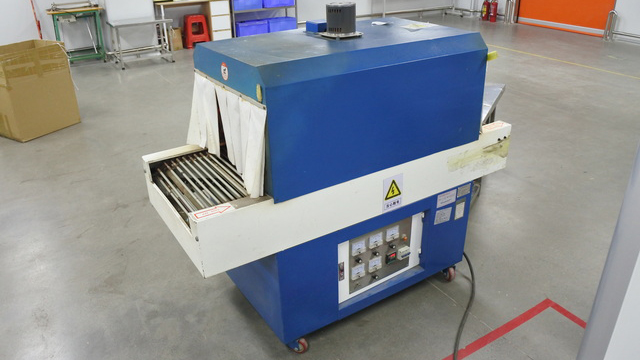
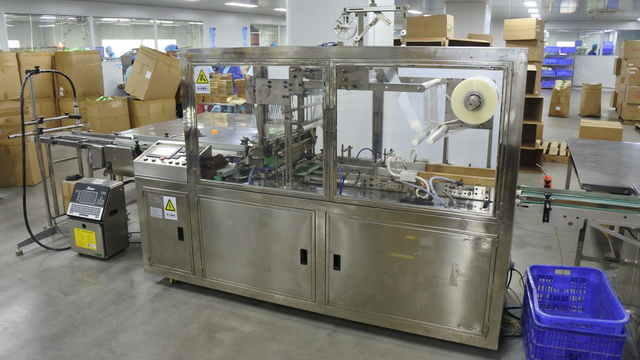
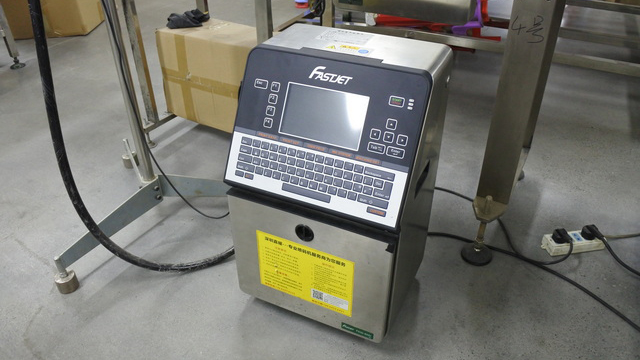
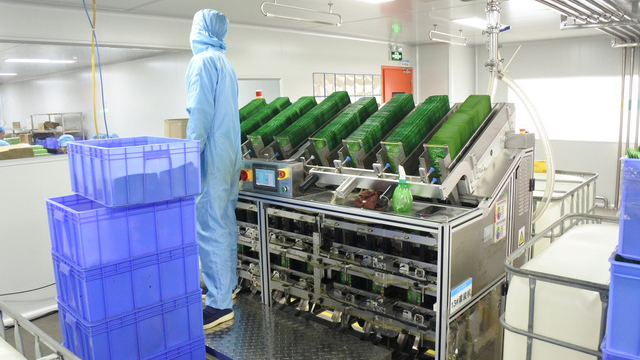
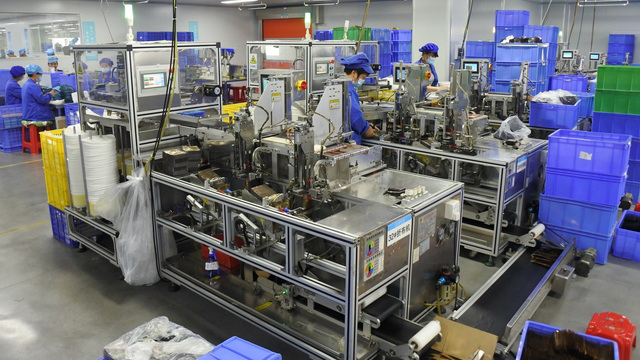
To support this high-performance standard, our facility features advanced processing and packaging equipment. Our production line integrates specialized machinery designed to protect active ingredient integrity, maintain sanitary conditions, and automate packaging workflows. Our hardware ecosystem includes:
- Emulsification Systems: High-shear vacuum emulsifying mixers that yield stable, sub-micron emulsions for fast skin absorption.
- Purification Standards: Multi-stage Reverse Osmosis (RO) and Deionization water purification systems that produce medical-grade water.
- Precision Packaging Lines: Automated filling, sealing, and three-dimensional wrapping systems that maintain aseptic conditions from batch to carton.
Advanced Processing & Intelligent Machinery
China Manufacturing Efficiency & Supply Chain Synergies
Why leading global skincare brands locate their medical-grade post-treatment production in South China.
Aggregated Raw Material Ecosystem
Guangdong houses the world’s most concentrated cosmetic raw material trade hubs, offering direct access to premium active botanicals (such as organic Centella Asiatica), bio-peptides, and specialized hyaluronic acid matrices. This concentration allows us to rapidly secure certified raw materials while maintaining stable ingredient pricing.
Automation & Intelligent Scalability
Our facility utilizes high-speed automated packaging, liquid filling, and lamination machinery. By reducing manual handling, we keep contamination rates near zero, optimize resource efficiency, and accelerate turnaround times for high-volume orders.
Rapid Prototyping & OEM Customization
Our on-site R&D labs develop custom formulations within 5-7 working days. With a strong support system for regulatory documentation (COA, MSDS, and clinical assessment profiles), we help global partners quickly transition new products from concept to container shipping.
Targeted Care Scenarios & Treatment Matching
Designing formulations to address specific cutaneous stressors and post-operative recovery timelines.
1. Laser & IPL Rejuvenation Recovery
Clinical Need: Thermal treatments cause immediate erythema, heat discomfort, and localized swelling. The epidermal barrier remains intact but structurally compromised.
Formulation Strategy: Lightweight, fast-absorbing soothing creams enriched with Centella Asiatica, Panthenol (B5), and cooling humectants. These ingredients help reduce skin temperature, calm redness, and accelerate recovery.
2. Micro-Needling & Subcision Care
Clinical Need: Micro-channels create paths for potential pathogens. The skin requires sterile, non-comedogenic hydration support.
Formulation Strategy: Sterile-packed, preservative-free sheet masks and serums featuring low-molecular-weight hyaluronic acid, epidermal growth factors (EGF), and minimal ingredients to prevent irritant reactions.
3. Post-Chemical Peel Peeling Phase
Clinical Need: Acid treatments dissolve the stratum corneum, leaving the skin sensitive, dry, and prone to environmental damage.
Formulation Strategy: Lipid-replenishing creams containing ceramides, cholesterol, and fatty acids in a physiological ratio. These formulations rebuild the lipid barrier and prevent transepidermal water loss.
Emerging Trends in Post-Treatment Formulations
How technical advancements and patient demands are shaping the next generation of recovery solutions.
1. Microbiome Protection in Recovery Skincare
Traditional recovery protocols focused solely on occluding the skin with heavy petrolatum-based products. Modern dermatology research indicates that preserving the skin's natural microbiome accelerates tissue regeneration and prevents post-procedure infections. Incorporating prebiotics, postbiotics, and mild ferments helps restore microbial balance on compromised skin without triggering inflammatory responses.
2. Vegan & Botanical Bio-Actives
Clinical efficacy remains critical, but modern consumers demand clean, vegan, and cruelty-free ingredients. Formulators are replacing animal-derived collagen and synthetic soothing agents with plant-based alternatives like Centella Asiatica, Mugwort, and Turmeric extracts. These natural ingredients provide comparable anti-inflammatory benefits while meeting clean-beauty standards.
3. Minimalist & Preservative-Free Formulations
The risk of contact dermatitis increases when the skin barrier is compromised. Consequently, global brands are shifting toward minimalist formulations containing fewer than 15 high-purity ingredients. Advanced packaging technologies, such as airless pump bottles and sterile single-use ampoules, allow manufacturers to eliminate harsh preservatives while maintaining product shelf life.
4. Multi-Functional Sunscreen Solutions
Post-procedure skin is highly vulnerable to UV-induced hyperpigmentation (PIH). Integrating physical sun filters (zinc oxide and titanium dioxide) with anti-inflammatory and hydrating agents provides essential dual-action protection, safeguarding healing skin from UV damage.
Supply Chain Management & Global Sourcing Optimization
Best practices for clinical distributors and private label brands partnering with offshore factories.
Technical Documentation Compliance
Ensure your manufacturing partner provides comprehensive technical files, including Material Safety Data Sheets (MSDS), Certificates of Analysis (COA), stability testing data, and challenge test reports. These documents are essential for customs clearance and regional health authority registrations (FDA, CPNP, etc.).
Batch Consistency & QC Protocols
Work with factories that employ in-line viscosity testing, pH monitoring, and microbiological assays for every production run. Consistent batch characteristics protect your brand reputation and prevent clinical skin irritation issues.
Packaging Compatibility Testing
Clinical-grade active ingredients can react with low-quality plastic packaging. A reliable OEM partner performs heat-stress compatibility tests to verify that the formulation remains stable and free from container chemical leaching.
Technical & Sourcing FAQs
Detailed answers to common questions about CE certification, formulation science, and manufacturing workflows.
Featured Medical Post-Treatment Products (II)
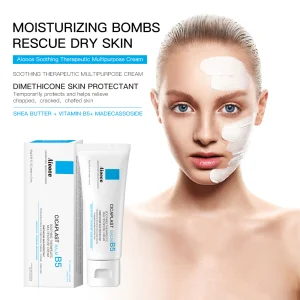
Aiooce B5 Herbal Vegan Centella Asiatica Anti-Aging Soothing Day Use Facial Cream For All Skin Types Redness & Dryness Relief
Inquire Now
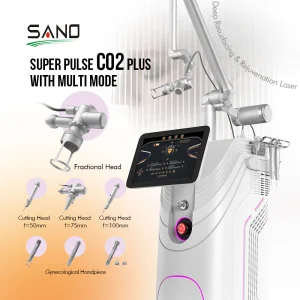
Standing CO2 Fractional RF Laser Machine 10600nm Wavelengths For Wrinkles Removal Skin Rejuvenation Scar Removal Under The Eye
Inquire Now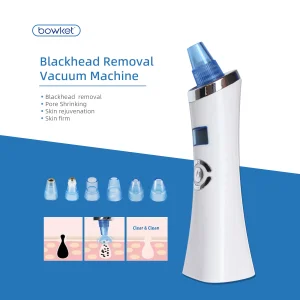
Bowket Skin Rejuvenation & Whitening Set Pore Minimizer Machine and Acne Nose & Whitehead Blackhead Remover Facial Machine
Inquire Now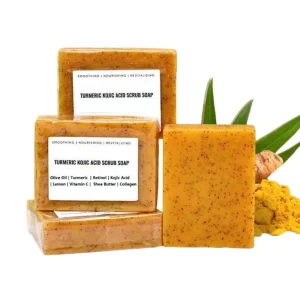
Vegan Turmeric Grit Soap Papaya Enzyme Natural Skin Lightening Body Bar Dark Spot Corrector Cruelty Free Bulk
Inquire Now