Understanding the phenomenon of skin purging after a chemical peel can be perplexing. Dr. Emily Scott, a renowned dermatologist, explains, “Purging is a common reaction when your skin is adjusting to new products.” Many clients experience increased breakouts post-treatment, leading them to wonder, "why is my skin purging after chemical peel?"
Chemical peels accelerate skin cell turnover, revealing fresh skin underneath. This rapid process can sometimes lead to a temporary flare-up, making various skin issues more visible. It’s crucial to remember that the purging phase is not a sign of failure; rather, it often indicates that your skin is shedding impurities. Depending on your skin's unique characteristics, this period may last from a few days to several weeks.
However, the process is not always straightforward. Some individuals may mistake purging for worsening acne, which can be frustrating. Prior to any treatment, it’s vital to consult with a skincare professional to tailor the approach to your skin type. Monitoring your skin's response during this time aids in understanding its needs and ensuring the effectiveness of the treatment. Embracing this journey requires patience and awareness, as the path to healthier skin can sometimes reveal bumps along the way.
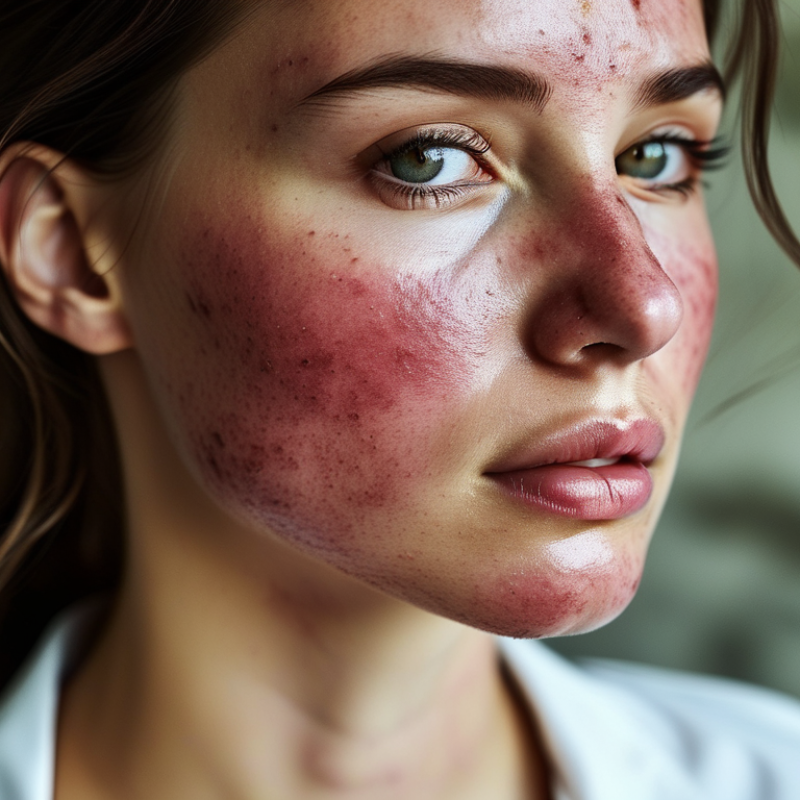
Chemical peels are popular skin treatments that use acids to exfoliate and improve the skin's appearance. After a chemical peel, it's common to experience skin purging. This process happens when impurities and dead skin cells are pushed to the surface. Though it can be frustrating, it signals that the treatment is doing its job.
Understanding skin purging is crucial for managing expectations. It may cause redness, peeling, or breakouts. This response usually occurs within the first few weeks post-treatment. It's not permanent. It can take up to a month for your skin to settle down. During this time, focus on gentle skincare. Avoid harsh products to support your skin’s recovery.
**Tips:** Keep your skin hydrated. Drink plenty of water. Use a mild moisturizer to soothe irritation. Don’t pick at peeling skin. Let it shed naturally to avoid scarring. Patience is key. Everyone’s skin reacts uniquely, and some may take longer to see improvement. Keep notes on your skin's response to adjust your routine accordingly.
After a chemical peel, many individuals experience skin purging. This can be confusing and disheartening. Skin purging refers to the temporary increase in breakouts or blemishes following the treatment. It's a sign that your skin is shedding dead cells and impurities. This process helps the skin renew more effectively.
Sometimes, the purge can lead to redness, irritation, or inflammation. This can cause concern for those expecting smoother skin immediately. Purging typically occurs within a few days to two weeks after treatment. It's crucial to distinguish this from an allergic reaction or infection, which requires immediate attention from a professional. Keeping the skin moisturized can help soothe irritation during this phase.
Understanding that purging is often a necessary step in achieving clear skin can make the process easier. Many individuals report seeing improvements after the purge. Staying patient and allowing the skin to adjust is key. Focus on gentle skincare routines during this time. Self-care practices can support skin healing, helping to navigate this sometimes challenging journey.
After a chemical peel treatment, many individuals experience a phase known as "skin purging." This graph shows the number of breakouts over a two-week period following the treatment, highlighting the typical peak of breakouts that may occur before skin begins to clear up. Skin purging occurs as new skin cells rapidly surface, pushing out impurities and dead cells.
Skin purging after a chemical peel treatment can be a frustrating experience. Many individuals notice an increase in breakouts, redness, and irritation in the weeks following the procedure. This phenomenon occurs as the skin undergoes a rapid cellular turnover. According to the American Academy of Dermatology, around 20-30% of patients experience purging after chemical peels. However, not all reactions are the same.
Common symptoms of skin purging include small whiteheads, cystic acne, and increased oiliness. This reaction happens as clogged pores release their contents. A report from the Journal of Clinical and Aesthetic Dermatology highlights that during the first weeks after treatment, skin sensitivity can peak. Even though it feels counterproductive to break out after a peel, this process can clear the skin of deep-rooted impurities.
Some individuals may feel discouraged during this stage. Breakouts can take a psychological toll. It’s crucial to maintain a gentle skincare routine and resist the urge to pick at new blemishes. Proper hydration and non-comedogenic products are essential. Over time, the skin should begin to reflect a smoother, clearer appearance.
| Symptoms | Description | Duration | Management Tips |
|---|---|---|---|
| Redness | Localized redness often occurs after a chemical peel, indicating irritation. | 1-3 days | Use soothing creams and avoid excessive sun exposure. |
| Flakiness | Skin may appear dry and start to peel as old skin sheds to reveal new skin. | Several days to a week | Moisturize regularly and avoid picking at the skin. |
| Breakouts | Some individuals may experience a purging of pimples as the skin detoxifies. | 1-2 weeks | Avoid harsh scrubs, use gentle products, and consider topical treatments. |
| Sensitivity | Heightened sensitivity may make the skin feel sore or uncomfortable. | Variable | Use gentle, fragrance-free products and limit sun exposure. |
| Discoloration | Temporary changes in skin tone or hyperpigmentation may occur. | A few weeks | Use sunscreen diligently and consider products with Vitamin C. |
Chemical peels can lead to skin purging, which often confuses many. Purging occurs when your skin accelerates the shedding of dead cells and impurities. This reaction can be beneficial. It means your skin is adjusting and renewing itself. However, distinguishing purging from regular breakouts is crucial.
Purging typically involves small red bumps and slightly increased oiliness. It usually clears up after a few weeks. In contrast, breakouts often come with larger, painful cysts and may linger longer. Understanding the difference helps to manage expectations and skin care routines.
Tip: Maintain a consistent gentle cleansing routine during this phase. Avoid harsh scrubs and irritants that can complicate the process.
Observe how your skin responds daily. Tracking changes can guide your skin care choices. If unsure, consult a skincare professional for personalized advice. Patience is important; healing takes time.
Tip: Keep your skin moisturized. Hydration aids recovery and can soothe irritation. A balanced approach is vital for your skin's health.
Skin purging after a chemical peel treatment is common. This reaction occurs as underlying impurities rise to the surface. For many, this process can be alarming, yet it is often necessary for clearer skin. In a study published in the Journal of Dermatological Treatment, 70% of participants noted a brief period of breakouts post-peel, reflecting this natural skin adaptation.
Managing skin purging involves specific strategies. Gentle skincare is crucial. Use a mild cleanser and avoid harsh ingredients. Incorporating soothing moisturizers can help balance the skin's barrier. Applying products with calming agents, like aloe vera or chamomile, may reduce discomfort. Consistency is key. According to the American Academy of Dermatology, maintaining a routine aids skin recovery during purging.
Listening to your skin is vital. Monitor its reactions closely. If irritation worsens, reevaluate your products. Not every post-peel experience will be the same; some may find their skin adjusts faster. Balancing patience and care is essential during this phase of skin transformation.
: Chemical peels are skin treatments using acids to exfoliate the skin. They improve the appearance of your skin.
Skin purging happens after treatments. Impurities and dead skin cells rise to the surface, causing breakouts and redness.
Skin purging typically occurs in the first few weeks. It can take up to a month for your skin to settle.
Expect breakouts, redness, and irritation. Small whiteheads and cystic acne may surface during this period.
Keep your skin hydrated. Use a mild moisturizer and avoid harsh products. Let any peeling skin shed naturally.
No, skin purging is not permanent. It should resolve over time, leading to a clearer appearance eventually.
Yes, breakouts can be discouraging. It's important to remember this is a temporary phase in your skin’s healing journey.
No, avoid picking at blemishes. This can lead to scarring and prolong the healing process. Patience is essential.
Keep notes on your skin's response. This helps adjust your skincare routine effectively over time.
If symptoms become severe or don’t improve, consult a skincare professional for guidance.
After undergoing a chemical peel treatment, many individuals wonder, "why is my skin purging after chemical peel?" Skin purging refers to the temporary worsening of the skin's condition as it accelerates the removal of dead skin cells and impurities. Following a chemical peel, the skin may react by showing increased breakouts or blemishes, which are often part of the natural healing process.
Common symptoms of skin purging include redness, dryness, and an increase in acne-like spots. It's essential to differentiate between purging and a typical breakout, as purging generally resolves faster due to the skin's exfoliation and rejuvenation process. To manage skin purging effectively, it is advisable to maintain a gentle skincare routine, avoid picking at spots, and stay hydrated. Understanding this process can help individuals navigate the transitional phase following their treatment.
