Many people wonder, "why does my skin feel dry after moisturizing?" This common concern can be perplexing. Dr. Emily Stone, a renowned dermatologist, notes, "Moisturizers can sometimes create a false sense of hydration." This can lead to a cycle of over-moisturizing without real relief.
Skin dryness can occur due to several factors. Some moisturizers have ingredients that offer temporary hydration but don't really nourish the skin. This can leave you feeling sticky or tight instead. Moreover, environmental factors like low humidity can exacerbate this issue, making your skin more sensitive and reactive.
Additionally, skin type plays a significant role. For instance, oily skin might feel dry if products are too heavy. Sometimes, a moisturizer can clog pores, triggering dryness elsewhere. Understanding your skin's unique needs can help you choose the right products. Exploring this intricacy is crucial, since recognizing the reasons behind dry skin can lead to better skincare choices.
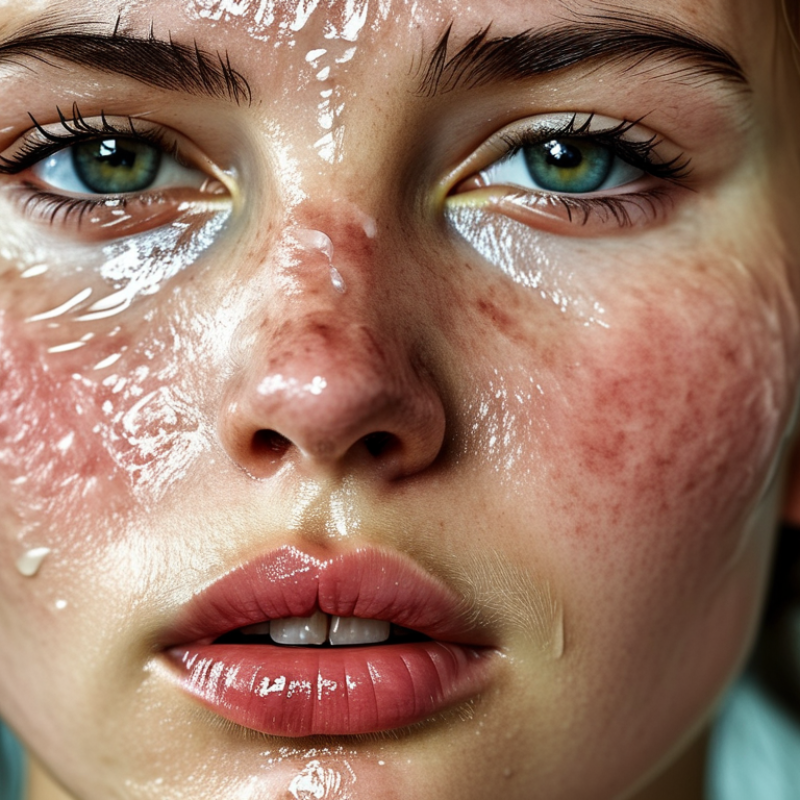
What Causes the Skin to Feel Dry After Applying Moisturizer?
Many people experience dryness even after applying moisturizer. This condition can stem from various reasons that might surprise you. For starters, not all moisturizers provide the same level of hydration. Some products contain ingredients that might feel good initially but can leave the skin parched in the long run. It’s crucial to choose moisturizers that address your skin type and concerns.
Another factor to consider is your environment. Dry air, especially in winter, robs moisture from the skin. Indoor heating systems can exacerbate this effect. Even hot showers or baths can strip moisture away, leading to a tight, uncomfortable feeling afterward. If you're constantly battling dry skin after moisturizing, it may be time to re-evaluate your routine and the conditions around you.
Dehydrated skin might react differently to certain ingredients too. Some components in moisturizers can cause irritation. If the skin barrier is compromised, it leads to moisture loss. Listening to your skin is paramount. Keeping a journal about your skincare routine might reveal patterns or products that are less effective for you. This reflective practice can guide better choices moving forward.
Understanding the Skin's Natural Moisture Barrier and Its Functions
The skin's natural moisture barrier is crucial for maintaining hydration. This barrier, made of lipids and proteins, protects against water loss. When this barrier is compromised, skin feels dry, even after moisturizing. Many factors can weaken it, such as harsh weather, skincare products, or lifestyle choices.
Understanding the functions of this moisture barrier helps in choosing the right products. A well-functioning barrier locks in moisture and prevents irritants from entering. If your skin still feels dry post-moisturizing, it may signal that the barrier is not functioning well. Dehydration, environmental stressors, or even the wrong moisturizer can exacerbate the issue.
It's important to assess your skincare routine. Sometimes, simplification can help. Avoid heavy or laden products that may block the barrier. Instead, look for gentle, hydrating ingredients. Often, the solution lies in reflection and adjustment. Your skin’s needs can change, making it essential to listen to your body's signals.
Common Ingredients in Moisturizers and Their Effects on Skin Hydration
Moisturizers are designed to hydrate the skin. However, many people experience dryness even after application. Understanding common ingredients can help clarify this issue.
Hyaluronic acid is a popular moisturizer ingredient. This powerful humectant can hold up to 1,000 times its weight in water. However, it requires moisture from the environment. In dry conditions, it may draw water from deeper skin layers instead. This can lead to increased dryness.
Glycerin is another common ingredient. This substance effectively attracts moisture. According to a study published in the "Journal of Clinical and Aesthetic Dermatology", glycerin improves skin hydration significantly. However, if not combined with occlusive agents, it may not provide lasting hydration. Ceramides and fatty acids can aid in creating a barrier. This barrier helps retain moisture but may not be present in all formulations.
People often overlook the formulation's synergy. An unbalanced mix can lead to poor hydration outcomes. Assessing individual skin needs is vital. Some might need heavier creams, while others require lighter options. Understanding these elements promotes better hydration and skin health.
The Role of Environmental Factors in Skin Moisture Loss
Dry skin after moisturizing is a common concern for many. One major reason lies in environmental factors. Low humidity levels can lead to moisture loss. In winter, or in air-conditioned rooms, the air tends to be dry. This dryness pulls moisture from the skin, causing a parched feeling even after applying products.
Another contributing factor is harsh weather. Wind and cold temperatures can strip natural oils from the skin. These oils are essential for maintaining hydration. People often ignore how these elements affect their skin’s health. Even indoor heating can exacerbate the problem, leading to discomfort and irritation.
**Tips:**
1. Use a humidifier in dry environments to add moisture to the air. This small change can make a big difference.
2. Choose a thicker cream or an oil-based moisturizer during colder months for better hydration retention.
3. Protect your skin with a scarf when outside in the cold. Small actions can help shield your skin from harsh elements.
Reflect on your daily routine and environment. Understanding how these factors contribute to dry skin can help you make informed adjustments. It's essential to be mindful of both product choices and environmental conditions to achieve healthy, hydrated skin.
Why Does My Skin Feel Dry After Moisturizing? - The Role of Environmental Factors in Skin Moisture Loss
| Environmental Factor |
Description |
Impact on Skin Moisture |
| Humidity |
The amount of water vapor in the air. |
Low humidity can lead to increased moisture loss from the skin. |
| Temperature |
The degree of heat present in the environment. |
High temperatures can cause sweat to evaporate quickly, drying out the skin. |
| Air Quality |
Pollutants and allergens present in the air. |
Poor air quality may irritate the skin, reducing its moisture retention ability. |
| Indoor Heating |
The use of heaters to maintain warmth indoors. |
Can lead to drier air, thus exacerbating skin dryness. |
| Sun Exposure |
The amount of direct sunlight skin is exposed to. |
UV rays can damage the skin barrier, leading to moisture loss. |
| Wind |
Natural air movement that can affect skin hydration. |
Wind can strip moisture from the skin's surface, causing dryness. |
Assessing the Effectiveness of Different Moisturizing Techniques and Products
Dry skin after moisturizing can be a frustrating experience. Various factors contribute to this issue. One common reason is the choice of moisturizing techniques and products. Research indicates that effective hydration involves ingredients like glycerin and hyaluronic acid, which attract water to the skin. A study published in the Journal of Dermatology found that 65% of patients reported improved skin moisture levels after using products containing these ingredients.
However, not all products are equally effective. Techniques such as applying moisturizers on damp skin can enhance absorption. A survey by the American Academy of Dermatology showed that around 70% of respondents who used this method noticed a reduction in skin dryness. Yet, many people still rely on products with occlusive agents only, neglecting hydration. This can lead to a superficial layer, leaving deeper skin layers parched.
Moreover, individual skin types play a significant role. For instance, sensitive skin may react poorly to certain ingredients. According to a report from the National Eczema Association, 80% of people with sensitive skin experience irritation from conventional moisturizers. It's essential to evaluate personal needs and adjust routines accordingly. Experimenting with different formulations might lead to better results, but it's a process that often requires patience and reflection.
Conclusion
The article "Why Does My Skin Feel Dry After Moisturizing?" explores various factors that contribute to the sensation of dryness even after applying moisturizers. It delves into the causes behind this issue, including the skin’s natural moisture barrier function, which plays a critical role in maintaining hydration and protecting against environmental stressors.
Additionally, the article highlights common ingredients found in moisturizers and how they can either enhance or hinder skin hydration. It emphasizes the impact of environmental factors such as climate, humidity, and pollution on skin moisture levels. Finally, it assesses different moisturizing techniques and products, guiding readers towards understanding why their skin may still feel dry after moisturizing and how to address this common concern effectively.
