Mesotherapy is a procedure that has gained popularity in the skincare realm. But what is mesotherapy for skin? This technique involves injecting vitamins, minerals, and other beneficial substances into the mesoderm, the middle layer of the skin. Its aim is to rejuvenate and improve the skin’s appearance.
Many people turn to mesotherapy for various skin issues. These can include wrinkles, sagging skin, and cellulite. By targeting specific areas, this treatment offers a tailored approach. However, results can vary widely from person to person. Not everyone experiences the same level of benefit.
In addition to its potential benefits, it is crucial to understand the process. It involves multiple sessions, and costs can add up. Finding a qualified practitioner is essential for safety and effectiveness. Many patients have reported positive outcomes, yet it is wise to consider all aspects carefully.
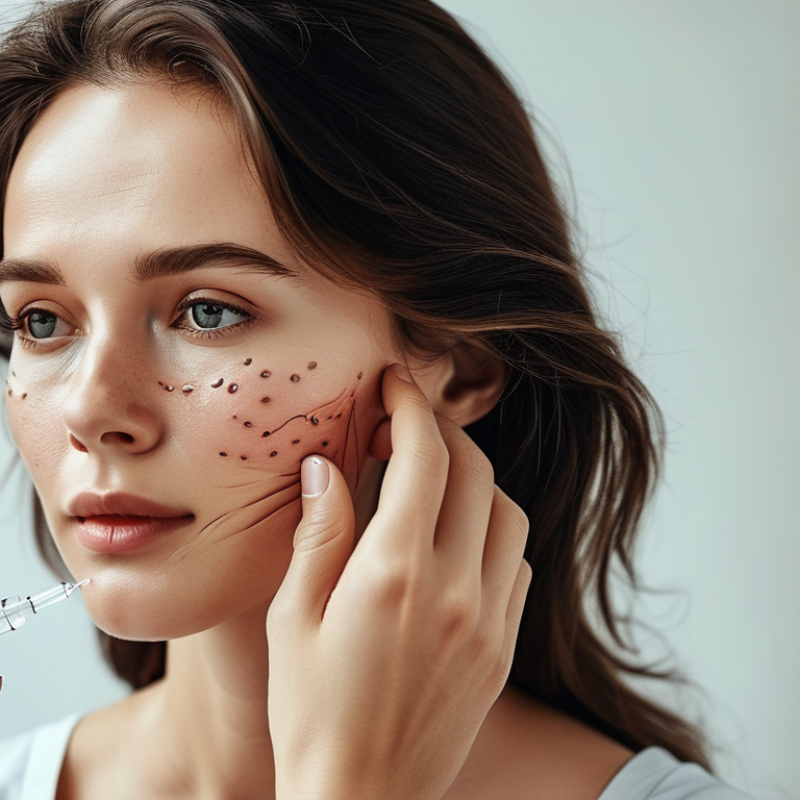
Mesotherapy originated in France in the early 1950s. Dr. Michel Pistor pioneered this technique as a way to treat pain and improve local circulation. The method involves delivering vitamins, enzymes, and medications through microinjections into the mesoderm, the middle layer of skin. This approach aimed at rejuvenating skin and enhancing its overall health.
Initially, mesotherapy was popular among athletes for treating sports injuries. Over time, its applications expanded to aesthetics. Practitioners began using it for skin rejuvenation, fat loss, and to reduce cellulite.
Despite its rising popularity, some argue about the lack of extensive clinical studies supporting its effectiveness. While many patients report positive results, individual experiences can vary widely.
This variability can leave both practitioners and patients reflecting on the outcomes and adjusting their expectations accordingly.
Mesotherapy is a technique that brings various skin benefits. Key ingredients play a crucial role in its effectiveness. These injectable solutions often include vitamins, enzymes, and amino acids, which nourish the skin. Hyaluronic acid is another popular ingredient, known for its hydrating properties. It helps maintain skin elasticity and moisture.
Peptides are gaining attention for their ability to stimulate collagen production. This is important for reducing fine lines and improving skin texture. Mineral-based solutions can also be included for their skin-repairing benefits. Common minerals like zinc and magnesium support overall skin health.
Doctors tailor treatments by choosing specific ingredients based on individual skin concerns. However, the choice of ingredients may vary in effectiveness from person to person. Some people might notice results faster than others. Reflection on individual skin needs is essential to maximize benefits. Personalized approaches can lead to better outcomes in mesotherapy.
| Dimension | Details |
|---|---|
| What is Mesotherapy? | A non-surgical cosmetic treatment involving microinjections of vitamins, enzymes, hormones, and other ingredients for rejuvenation. |
| Benefits | Improves skin texture, reduces wrinkles, promotes hydration, and boosts collagen production. |
| Process | Involves consultation, skin assessment, preparation of the mixture, and multiple injections in targeted areas. |
| Key Ingredients | Hyaluronic acid, vitamins (E, C, A), collagen, and various peptides. |
| Session Duration | Typically lasts 30 to 60 minutes. |
| Recovery Time | Minimal downtime; most can return to daily activities immediately. |
| Frequency of Treatment | Usually recommended every 2 to 4 weeks for optimal results. |
Mesotherapy is gaining popularity for its skin benefits. This technique involves injecting vitamins, enzymes, and other beneficial compounds directly into the skin. Many people report enhanced skin elasticity and improved hydration. As a non-surgical procedure, it appeals to those seeking rejuvenation without extensive recovery time.
One of the key benefits of mesotherapy is its ability to target specific skin concerns. For example, it can help reduce fine lines and wrinkles. The procedure stimulates collagen production, leading to firmer skin. Patients may also notice a more radiant complexion. However, results can vary, and not everyone achieves the same enhancements.
Feeling nervous about needles is common. Proper consultation with a qualified professional can ease concerns. Experts thoroughly assess individual skin needs before treatment. While the process is generally safe, understanding potential side effects is crucial. Awareness can help manage expectations and encourage open dialogue with practitioners.
Mesotherapy is a popular aesthetic treatment known for its skin benefits. The process involves injecting tiny amounts of vitamins, enzymes, and hormones directly into the skin's mesoderm layer. This method aims to rejuvenate and enhance skin quality. A study published in the Journal of Cosmetic Dermatology highlights that about 70% of patients report visible improvements after their mesotherapy sessions.
The mesotherapy process typically begins with a thorough skin evaluation. Practitioners assess skin type, issues, and patient goals. This step is vital for customizing the injection mixture. Next, most professionals initiate a localized numbness using topical anesthetics to ensure comfort. Once prepared, a fine needle injects the solution into specific areas. The entire process can take anywhere from 30 minutes to an hour. Patients may experience minor swelling or redness post-treatment, which usually subsides quickly.
Despite its popularity, some individuals may not achieve desired results. Various factors influence effectiveness, such as skin type and the severity of issues addressed. It's important for patients to have realistic expectations and a clear understanding of the treatment's potential outcomes. Observing feedback from previous patients can be beneficial. Professional consultations should always include detailed discussions surrounding individual needs and potential drawbacks of mesotherapy.
Mesotherapy offers various skin benefits, but potential risks are essential to consider. This treatment involves injecting vitamins, enzymes, and hormones into the skin. While many report positive outcomes, it’s crucial to approach it with caution.
Research indicates that complications can arise from mesotherapy. A study published in the Journal of Cosmetic Medicine highlights that 10% of patients experience some form of adverse reaction. Common issues include swelling, redness, and allergic reactions. Moreover, serious complications can occur, such as infection or vascular occlusion. Proper qualifications of practitioners play a vital role in mitigating these risks.
Another vital consideration is the lack of standardized protocols in mesotherapy. Many practitioners may not adhere to comprehensive guidelines. This inconsistency raises questions about treatment safety and effectiveness. Patients should rigorously check credentials and seek licensed professionals with established expertise. Informed decisions can significantly reduce the likelihood of negative outcomes.
: Mesotherapy is a technique that uses microinjections for skin rejuvenation. It delivers vitamins, enzymes, and medications.
Mesotherapy began in France during the early 1950s. Dr. Michel Pistor was the pioneer of this technique.
It was initially used by athletes for pain treatment. Over time, it gained popularity for aesthetic purposes.
Key ingredients include vitamins, enzymes, and amino acids. Hyaluronic acid and peptides are also commonly used.
The effectiveness of ingredients can differ from person to person. Individual skin needs play a significant role.
Many patients report positive results, but experiences vary. Some may see results faster than others, which can be frustrating.
Tailoring treatments to specific skin concerns enhances outcomes. Reflecting on individual needs is crucial for better effectiveness.
Some argue that there's a lack of extensive clinical studies. This raises questions about the technique’s overall effectiveness.
While many can benefit, not everyone will experience significant results. Individuals should manage their expectations accordingly.
Yes, it can improve skin texture and reduce fine lines. However, results can vary, leading to self-reflection on treatment goals.
Mesotherapy for skin is a minimally invasive cosmetic procedure that involves the injection of various substances into the middle layer of the skin. Historically rooted in France, this technique aims to deliver vitamins, enzymes, hormones, and other essential ingredients directly where they are needed, promoting skin rejuvenation. The key ingredients used in mesotherapy typically include hyaluronic acid, vitamins, and antioxidants, which work together to improve skin texture, hydration, and overall appearance.
The mesotherapy process follows a clear step-by-step procedure, starting with a consultation to discuss individual goals and skin conditions. Following this, a series of micro-injections are administered to target specific areas. While many experience significant benefits, such as improved skin health and appearance, it is important to recognize potential risks and considerations, including bruising or swelling at injection sites. Understanding what is mesotherapy for skin and its implications can help individuals make informed decisions about their skincare treatments.
