After washing your face, a clean feeling should not come with burning, tightness, or persistent itching. Yet many people notice prickling around the cheeks, nose, or jaw within minutes of rinsing. The question is simple: why does my skin itch after washing face? Often, the cause involves a damaged skin barrier, harsh cleansers, hot water, or rubbing with a rough towel. Fragrance and preservatives may also trigger irritation or an allergic reaction.
Small details matter. A foaming cleanser can leave your cheeks feeling squeaky, while very hot water may worsen redness. Even washing twice daily can feel excessive when your skin is dry, sensitive, or affected by eczema. I have found that people often change several products at once, making the real trigger difficult to identify. That approach seems convenient, but it creates confusion.
This guide explains practical ways to reduce itching without guessing blindly. You will learn how to choose a gentle, fragrance-free cleanser, adjust water temperature, and moisturize while your skin remains slightly damp. Dermatology guidance supports these basic barrier-care steps, although they cannot diagnose every rash. Stop using a product if swelling, hives, blistering, or severe burning appears. Seek medical advice when itching continues, spreads, or affects sleep.
Your skin may need less.
Not every itchy face is caused by dryness. Persistent symptoms can reflect contact dermatitis, rosacea, infection, or another condition requiring professional assessment. Careful observation helps, but a qualified dermatologist provides the most reliable answer.
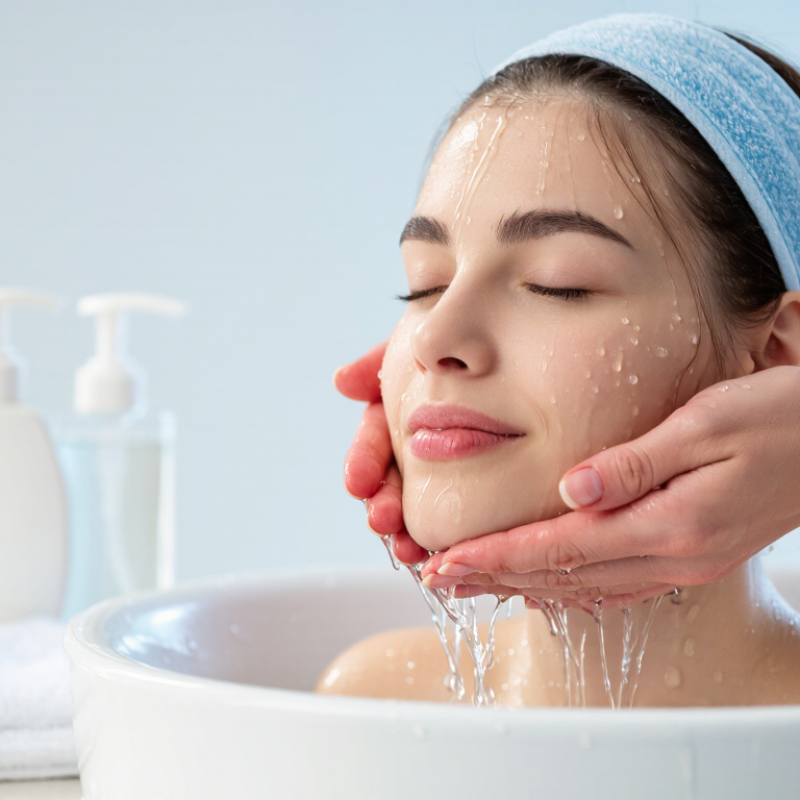
Itching after washing often signals a weakened skin barrier, not poor hygiene. Hot water can remove protective oils and increase tightness. The American Academy of Dermatology reports that atopic dermatitis affects up to 20% of children and 3% of adults. This sensitive skin may react strongly to ordinary cleansing. Fragrance, essential oils, alcohol, and strong surfactants can also cause irritation. The Global Burden of Disease Study 2019 estimated over 170 million people live with atopic dermatitis worldwide.
Look at the timing. Itching that starts immediately may reflect heat, rubbing, or cleanser irritation. A delayed rash can indicate allergic contact dermatitis. Timing helps, but it cannot confirm the cause. I once underestimated water temperature as a trigger. That detail matters.
Water quality may play a role too. Research published in the British Journal of Dermatology found that hard water can weaken the skin barrier and increase irritant exposure. Chlorinated water may feel uncomfortable on already-dry skin. Overwashing can worsen the cycle. Many people cleanse twice daily without checking their skin’s response.
Use lukewarm water and keep washing brief. Rinse thoroughly, then pat your face dry with a soft towel. Apply a fragrance-free moisturizer while the skin still feels slightly damp. The National Eczema Association recommends avoiding known irritants and seeking professional evaluation for persistent itching, swelling, or recurring rashes. A dermatologist can assess allergy, eczema, infection, or another underlying condition.
How to Stop Skin Itching After Washing Your Face
Choose a cleanser for your skin type, not for its strongest lather. Dry or sensitive skin usually needs a fragrance-free, non-foaming cleanser with glycerin or ceramides. Oily skin may tolerate a light gel cleanser, but harsh surfactants can still trigger tightness and itching. The American Academy of Dermatology recommends fragrance-free products for sensitive skin, because fragrance can irritate the skin barrier.
Your skin may be reacting to the routine, not simply “dirt.” Use lukewarm water, massage gently for 20–30 seconds, and pat your face dry. The National Eczema Association reports that eczema affects more than 31.6 million Americans, showing how common barrier problems can be. If your cheeks sting while your forehead feels oily, choose a balanced cleanser rather than washing harder. That small detail matters.
Patch-test a new cleanser near your jaw for several days. Stop if redness, swelling, or persistent itching appears. I have found that using less product often helps, although personal experience is not medical proof. Avoid scrubs immediately after washing. They can make invisible irritation worse. If itching continues, consult a qualified dermatologist; cleanser changes cannot treat every cause, including eczema, allergy, or infection.
Choose a gentle cleanser that is closer to the skin’s naturally acidic pH. Traditional soap is usually more alkaline and may increase dryness or irritation, especially for sensitive skin.
How to Stop Skin Itching After Washing Your Face
Improve Water Temperature and Washing Technique
Water temperature often matters more than expected. Very hot water can remove protective oils from the skin surface. This may leave your cheeks tight, dry, and itchy. Use lukewarm water instead, around 32–37°C. Your face should feel comfortable, not warm or flushed.
Keep the technique gentle. Wet your skin, then use clean fingertips to spread a mild cleanser. Avoid washcloths, brushes, and forceful circular rubbing. Twenty seconds is usually enough for a careful wash. Rinse along the hairline, nose, and jaw, where cleanser can remain unnoticed. Pat your face with a soft towel. Do not drag it across the skin.
It is easy to blame the cleanser immediately, but washing habits may be the real trigger. I sometimes see people rinse quickly, then leave their skin wet for several minutes. That can increase discomfort as water evaporates. Apply a fragrance-free moisturizer while the skin is slightly damp. If itching continues despite gentler washing, or if swelling, cracking, or a spreading rash appears, seek advice from a qualified healthcare professional. Your skin may need more than a temperature change.
| Care Dimension | Recommended Approach | Practical Target | Why It May Help Itching | Common Mistake to Avoid | Priority |
|---|---|---|---|---|---|
| Water temperature | Use lukewarm water rather than hot or very cold water. | Water should feel comfortable and not leave the skin flushed or tight. | Hot water can remove surface oils and increase dryness, which may worsen itching and irritation. | Using steam-hot water or washing until the face feels heated. | High |
| Washing time | Keep facial cleansing brief and rinse thoroughly. | About 20–30 seconds of gentle cleansing is generally sufficient. | Long exposure to water and cleanser can increase dryness and weaken the skin barrier. | Repeatedly washing the same area or cleansing for several minutes. | High |
| Hand pressure | Massage cleanser with clean fingertips using light, circular movements. | Use enough pressure to spread the cleanser, but do not scrub the skin. | Lower friction reduces mechanical irritation and helps prevent tiny areas of barrier damage. | Using fingernails, rough cloths, facial brushes, or abrasive scrubs. | High |
| Cleanser selection | Choose a gentle, fragrance-free cleanser suited to sensitive or dry skin. | Prefer a product that leaves no burning, stinging, or tight feeling after rinsing. | Fragrance and harsh cleansing agents can trigger irritation in sensitive skin. | Choosing a strong foaming or fragranced cleanser because it feels more “deep cleaning.” | High |
| Rinsing technique | Rinse away all cleanser with lukewarm water, especially around the hairline and nose. | Continue until no slippery or soapy residue remains. | Remaining cleanser may irritate the skin and contribute to itching or burning. | Leaving cleanser on the skin or rinsing with very hot water. | Medium |
| Drying technique | Pat the face gently with a clean, soft towel. | Leave the skin slightly damp rather than rubbing it completely dry. | Gentle drying limits friction, while slight dampness helps moisturizer spread evenly. | Rubbing vigorously or using a rough, unwashed towel. | High |
| Moisturizer timing | Apply a fragrance-free moisturizer soon after washing. | Apply within a few minutes while the skin is still slightly damp. | Moisturizer helps reduce water loss and supports the skin barrier. | Waiting until the face feels tight, dry, or itchy before moisturizing. | High |
| Washing frequency | Cleanse as needed without repeatedly washing for reassurance. | Many people tolerate cleansing once in the evening and rinsing or gently cleansing after heavy sweating. | Over-cleansing can increase dryness and irritation, particularly in sensitive skin. | Washing the face several times daily or immediately after every minor sensation. | Medium |
| Product testing | Introduce one new skincare product at a time. | Stop a product that consistently causes itching, burning, redness, or swelling. | Changing one product at a time makes it easier to identify a possible irritant or allergy. | Starting multiple new products simultaneously. | Medium |
| When to seek medical advice | Consult a healthcare professional if symptoms persist, worsen, or recur despite gentle care. | Seek prompt care for facial swelling, hives, blistering, severe pain, breathing difficulty, or eye involvement. | Persistent itching may be related to dermatitis, allergy, infection, or another skin condition that needs assessment. | Continuing to use a suspected irritant despite worsening symptoms. | Important |
Face itching after washing often signals a weakened moisture barrier, not poor hygiene. Hot water, foaming cleansers, and towel friction can remove protective lipids.
Published dermatology reviews estimate that sensitive skin affects about 60–70% of women and 50–60% of men. This symptom deserves attention, especially when redness or tightness continues.
Apply moisturizer immediately after cleansing, while your skin is still slightly damp. The American Academy of Dermatology Association recommends moisturizing within three minutes. This timing helps trap surface water before evaporation increases dryness.
Use a fragrance-free cream containing humectants, emollients, or occlusive ingredients. Press it onto your face gently. Do not rub aggressively. In my experience, applying too little product can leave the cheeks tight again within an hour. However, thicker is not always better for every skin type.
Tips:
The National Eczema Association advises reducing fragrance and harsh irritants when skin feels reactive.
Persistent itching, swelling, cracking, or a spreading rash needs professional assessment. A routine can help, but it cannot identify every cause.
Mild itching after cleansing often comes from hot water, scrubbing, or a damaged skin barrier. Use lukewarm water and wash with clean fingertips for about 20 seconds. Pat your face dry, leaving a little moisture behind. Apply a plain, fragrance-free moisturizer soon afterward. Avoid exfoliating acids, rough towels, and heavily scented products while your skin settles.
Persistent itching deserves more attention. If it continues beyond several days, returns after every wash, or disrupts sleep, arrange a medical appointment. A dermatologist can check for irritant contact dermatitis, allergic reactions, eczema, or infection. These conditions may look similar, but they need different care. A useful detail is timing: note the cleanser used, water temperature, affected areas, redness, scaling, and any new products.
Do not ignore warning signs. Seek prompt medical care for spreading redness, facial swelling, painful cracks, pus, fever, or widespread hives. Swelling around the eyes, lips, or throat, especially with breathing trouble, requires emergency help. It is tempting to keep testing products until one feels better. That can worsen irritation. Stop suspected products, keep the routine simple, and ask a qualified clinician when symptoms persist. Personally, I would also photograph the rash before an appointment; skin changes can fade by the time it is examined.
Hot water, scrubbing, fragrance, or a weakened skin barrier may trigger itching. Your routine may be the problem, not dirt. Keep it gentle.
Choose a fragrance-free, non-foaming cleanser with glycerin or ceramides. It should leave your skin comfortable, not tight. Less product may help.
Yes, a light gel cleanser may suit oily skin. Avoid harsh surfactants if your face feels tight or itchy afterward. Oily does not mean invulnerable.
Use lukewarm water and clean fingertips. Massage gently for about 20 seconds. Pat dry with a soft towel, leaving slight moisture behind.
Apply a plain, fragrance-free moisturizer soon afterward. Avoid acids, scrubs, rough towels, and scented products while irritation settles. Simple is better.
Apply a small amount near your jaw for several days. Stop if redness, swelling, or persistent itching appears. Do not keep testing it.
Arrange a medical appointment if itching lasts several days, returns after every wash, or interrupts sleep. A dermatologist can assess allergy, eczema, dermatitis, or infection.
Seek prompt care for spreading redness, painful cracks, pus, fever, or widespread hives. Facial swelling needs urgent attention. Breathing trouble with swelling requires emergency help.
Note the cleanser, water temperature, affected areas, redness, scaling, and new products. Photograph the rash if possible. Skin changes can fade unexpectedly.
Skin itching after washing your face can result from several factors, including a damaged skin barrier, harsh cleansing ingredients, over-washing, hot water, or sensitivity to fragrance and other irritants. If you wonder, “why does my skin itch after washing face,” consider whether your cleanser leaves your skin tight, dry, or burning. Choose a mild, fragrance-free cleanser suited to your skin type, and avoid scrubbing or using rough towels.
Wash with lukewarm water for a short time, gently massage the cleanser with clean fingertips, and rinse thoroughly. Pat your face dry instead of rubbing, then apply a gentle moisturizer immediately while the skin is still slightly damp. These steps help retain moisture and reduce irritation. However, persistent or severe itching, swelling, redness, rash, pain, or oozing may indicate an allergy or skin condition. Seek medical advice if symptoms continue, worsen, or interfere with daily comfort.
