Why Is Dry Skin Different From Dehydrated Skin?
Many people call every uncomfortable complexion “dry skin.” That shortcut causes confusion. The question “what is the difference between dry and dehydrated skin” has a practical answer. Dry skin describes a skin type with insufficient natural oils. Dehydrated skin describes a temporary condition involving reduced water content. A person can have oily skin and still experience dehydration.
The American Academy of Dermatology Association explains that dry skin often feels rough, tight, flaky, or itchy. It may worsen after hot showers, harsh cleansers, cold air, or low humidity. Dehydrated skin can look dull and show fine lines more clearly, especially around the eyes and cheeks. Think of a dry sponge. It lacks both softness and flexibility. A dehydrated sponge contains less water, even if some surface oil remains. The comparison is imperfect, but it helps.
Industry evidence supports this distinction. Mintel’s 2024 facial skincare analysis identifies hydration and skin-barrier support as continuing consumer priorities. Dermatology guidance also emphasizes gentle cleansing, moisturization, and protection from environmental stressors. However, marketing language can oversimplify biology. “Hydrating” and “moisturizing” are not always interchangeable. Humectants attract water, while emollients smooth rough areas, and occlusives reduce water loss. Skin experts usually assess symptoms, ingredients, climate, medication use, and underlying conditions together. One label rarely tells the whole story. Careful observation matters. Persistent redness, cracking, pain, or itching deserves professional evaluation, because eczema, contact dermatitis, and other conditions may resemble ordinary dryness.
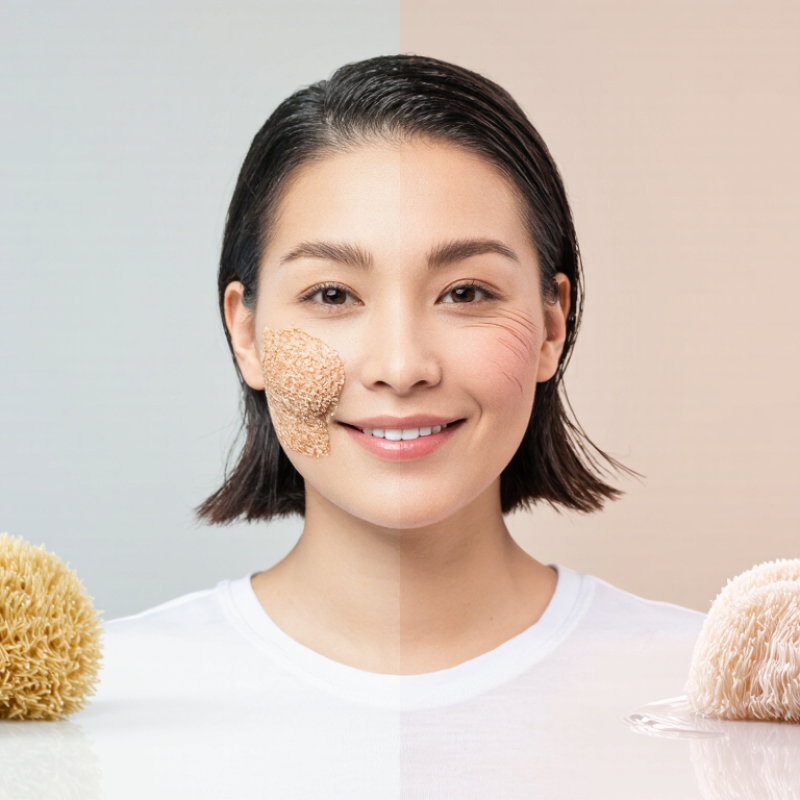
What Dry Skin and Dehydrated Skin Mean
Dry skin and dehydrated skin mean different things. Dry skin describes a skin type with insufficient oils, or lipids, in the outer barrier. It often feels rough, tight, or flaky after cleansing. Dehydrated skin describes a temporary lack of water. Any skin type can experience it, including oily skin.
The difference appears in the skin’s behavior. Dry skin may show fine scaling around the cheeks, hands, or elbows. Dehydrated skin can look dull, crease briefly when pinched, and feel tight by afternoon. Its surface may still appear shiny. The American Academy of Dermatology links persistent dryness with a weakened barrier and recommends gentle cleansing, lukewarm water, and regular moisturising. The Global Burden of Disease Study 2019 estimated that atopic dermatitis affected about 171 million people worldwide, showing how common barrier-related symptoms can become clinically significant. However, dryness alone does not confirm eczema.
Water loss through the outer layer is called transepidermal water loss, or TEWL. Cold air, indoor heating, hot showers, and harsh surfactants can increase it. Humectants attract water, while creams containing lipids help reduce escape. Occlusive ingredients can also help, though texture matters for oily or acne-prone skin. The boundary is not perfectly clean. A person can have naturally dry skin and temporary dehydration together. Persistent redness, cracking, itching, or bleeding deserves assessment from a qualified dermatologist, rather than repeated product changes.
| Comparison Dimension | Dry Skin | Dehydrated Skin |
|---|---|---|
| Basic Meaning | Dry skin is generally considered a skin type or a persistent tendency in which the skin produces too little sebum and contains fewer surface lipids. | Dehydrated skin is a temporary or fluctuating skin condition caused by insufficient water in the outermost layer of the skin. |
| Primary Deficiency | Oil and lipids, which help support the skin barrier and reduce water loss. | Water in the stratum corneum, the outermost layer of the epidermis. |
| Typical Causes | Genetics, aging, naturally low sebum production, cold or dry climates, frequent washing, and some medications or medical conditions. | Low humidity, hot weather, sweating, air conditioning, hot showers, harsh cleansers, over-exfoliation, and inadequate fluid intake. |
| How It May Feel | Often tight, rough, itchy, or uncomfortable, especially after cleansing or exposure to cold, dry air. | May feel tight, rough, dull, or less supple even when the skin becomes oily or shiny. |
| Visible Signs | Flaking, scaling, rough texture, fine cracks, redness, and increased sensitivity may occur. | Dullness, fine surface lines that appear more noticeable, tightness, rough texture, and reduced skin bounce may occur. |
| Oil Production | Often lower than average, so the skin may look matte and feel less lubricated. | Can be low, normal, or high. Dehydrated skin may look shiny because it can produce extra oil in response to irritation or moisture loss. |
| Where It Appears | Usually affects the overall skin type and may be present across much of the face or body. | Can affect specific areas, such as the cheeks, forehead, around the eyes, or the hands, and may change with conditions. |
| How Long It Lasts | Usually long-lasting, although its severity can change with age, season, health, and skincare habits. | Often improves when the skin is protected from water loss and exposed to appropriate hydration and barrier-supporting care. |
| Simple Clue | If the skin is consistently tight and rough and rarely becomes oily, it may have a dry skin type. | If the skin feels tight or looks dull but still becomes oily or shiny, dehydration may be contributing. |
| Helpful Skincare Focus | Use gentle, low-irritation cleansing; moisturizers containing emollients and occlusives; and avoid excessive hot water and harsh detergents. | Use a gentle cleanser, humectants such as glycerin or hyaluronic acid, a moisturizer to reduce water loss, and daily broad-spectrum sunscreen. |
| What to Avoid | Frequent stripping cleansers, very hot water, aggressive scrubbing, and excessive exfoliation. | Over-cleansing, excessive exfoliation, prolonged exposure to dry air, and relying only on water-based products without a moisturizer. |
| When to Seek Medical Advice | Consult a healthcare professional if dryness is severe, painful, cracked, bleeding, widespread, or accompanied by persistent rash or inflammation. | Seek professional advice if dehydration-like symptoms persist despite gentle care or occur with significant redness, itching, scaling, or a rash. |
FAQS
Dry skin is a skin type with too few natural oils. Dehydrated skin temporarily lacks water. They can happen together.
Dry skin often feels rough, tight, or flaky after cleansing. Fine scaling may appear on the cheeks, hands, or elbows. It stays persistent.
Dehydrated skin may look dull and develop temporary fine lines. It can feel tight by afternoon. The surface may still look shiny.
Yes. Oily skin can contain excess surface oil but insufficient water. That combination may feel tight while looking glossy.
Cold air, indoor heating, hot showers, and harsh cleansing agents can increase water loss. Long, hot showers are common troublemakers.
Water-binding ingredients can attract moisture to the skin. Gentle cleansing may also help. Moisturizing after washing is useful.
Richer creams containing skin-supporting lipids may reduce moisture escape. Occlusive ingredients can help too. Texture still matters for oily skin.
Not reliably. Dryness and dehydration often overlap, and home observation has limits. Track changes for about two weeks. I would not diagnose from appearance alone.
Persistent redness, cracking, itching, or bleeding deserves assessment by a qualified dermatologist. Repeated product changes may not solve the problem. Something deeper may be happening.
Conclusion
Dry skin and dehydrated skin may feel similar, but they describe different conditions. Dry skin is generally a skin type linked to insufficient natural oils, which can make the surface feel rough, tight, flaky, or easily irritated. Dehydrated skin is a temporary condition caused by a lack of water in the skin and can affect oily, combination, or normal skin as well. If you are wondering, “what is the difference between dry and dehydrated skin,” the key distinction is oil versus water.
Weather changes, hot showers, harsh cleansers, aging, and genetics may contribute to dryness, while dehydration can result from low humidity, inadequate fluid intake, stress, or overuse of exfoliating products. Dry skin often remains consistently rough and flaky, whereas dehydrated skin may appear dull, develop fine lines, or feel tight after cleansing while still producing excess oil. Care should focus on gentle cleansing, regular moisturizing, protecting the skin barrier, and avoiding irritating routines. Ingredients that support hydration and retain moisture can benefit both conditions.
