What Causes Dark Spots on Face and How to Treat Them?
Dark spots on the face are a common concern for many individuals. A study by the American Academy of Dermatology indicates that nearly 50% of adults experience some form of hyperpigmentation by age 50. Understanding what causes dark spots on the face is crucial for effective treatment. Factors like sun exposure, age, and hormonal changes play significant roles in this condition.
Research shows that UV radiation can stimulate melanin production. This results in uneven skin tones and dark spots. Moreover, hormonal fluctuations, especially during pregnancy or menopause, can contribute to the appearance of these spots. The Skin Cancer Foundation highlights that dermatological treatments have advanced, providing numerous options for those affected.
Addressing dark spots often requires a multi-faceted approach. Potential solutions include topical creams, laser therapy, and lifestyle adjustments. However, achieving clear skin is not always straightforward. For some, treatments may take time and patience. Being informed about the causes is key in devising a reliable treatment plan. Recognizing personal skin health is essential in managing expectations and enhancing results.
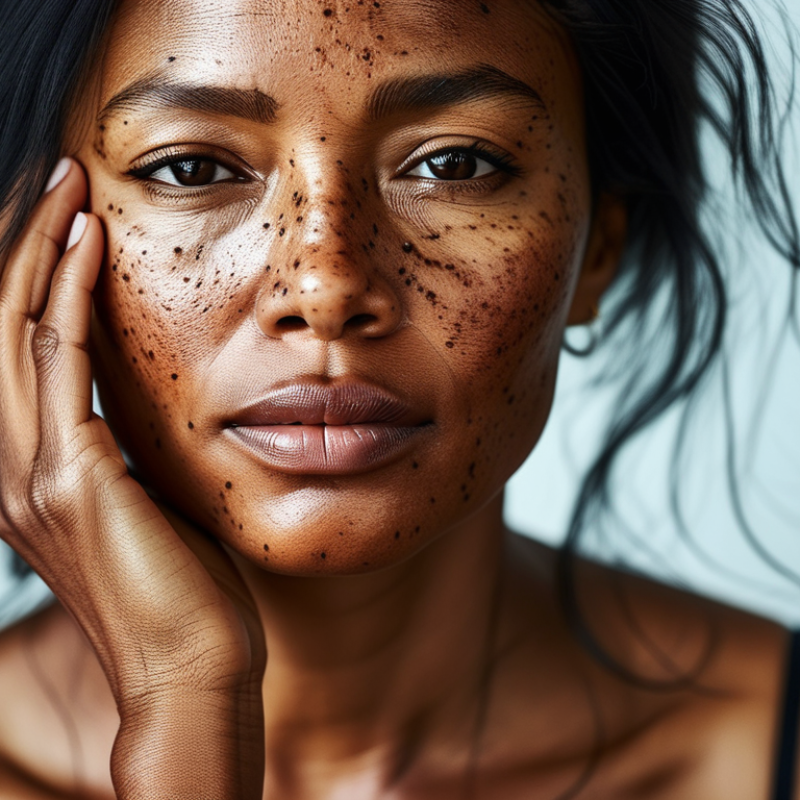
Understanding the Causes of Dark Spots on the Face
Dark spots on the face, known as hyperpigmentation, can stem from several causes. Sun exposure is a primary factor, as ultraviolet (UV) rays trigger melanin production. Hormonal changes, often experienced during pregnancy or due to contraceptive use, can also contribute to these spots. Additionally, acne scars can leave behind dark marks that linger long after the blemish has healed.
Lifestyle habits play a crucial role in the prevention of dark spots. Protecting your skin with sunscreen daily can help mitigate UV damage. Opt for a broad-spectrum product with at least SPF 30. Wear hats or seek shade when possible, especially during peak sun hours.
Regularly incorporate antioxidants into your skincare routine. Ingredients like vitamin C can brighten the skin and reduce the appearance of dark spots. Adjusting your diet to include foods high in antioxidants, such as berries and leafy greens, may also provide internal support.
Lastly, regular skin assessments are important. If you notice new spots or changes in existing ones, consult a dermatologist for professional advice. This practice not only promotes skin health but can also lead to early detection of any issues.
What Causes Dark Spots on Face and How to Treat Them?
| Cause | Description | Treatment Options |
|---|---|---|
| Sun Exposure | Ultraviolet rays from the sun can trigger melanin production, leading to dark spots. | Sunscreen, topical retinoids, and laser therapy. |
| Hormonal Changes | Conditions like pregnancy and menopause can cause hyperpigmentation due to hormonal fluctuations. | Lightening creams, chemical peels, and avoiding sun exposure. |
| Aging | As skin ages, the risk of dark spots increases due to a decrease in cell turnover. | Daily moisturizing, vitamin C serums, and dermatological treatments. |
| Post-Inflammatory Hyperpigmentation | Dark spots can occur after skin injury or inflammation, such as acne scars. | Hydroquinone, azelaic acid, and microdermabrasion. |
| Genetics | Family history can play a role in the likelihood of developing dark spots. | Preventive skincare, regular check-ups, and sun protection. |
FAQS
: Common types include solar lentigines, melasma, and post-inflammatory hyperpigmentation.
Solar lentigines, or sun spots, are caused by sun exposure and are common in older adults.
Melasma often appears as symmetrical brown patches on the cheeks, forehead, and upper lip.
It occurs after skin injuries like acne, causing darkened spots that linger as the skin heals.
Look for vitamin C, hydroquinone, and niacinamide for their brightening properties on dark spots.
Sun protection is crucial; UV exposure can worsen pigmentation and counteract treatment efforts.
Consistent sunscreen application and a healthy skincare routine can help prevent dark spots from forming.
Adding antioxidants like berries and leafy greens can aid in fighting oxidative stress on the skin.
Exfoliants like glycolic acid promote even skin tone but can cause dryness or irritation for sensitive skin.
Results take time, and documenting progress helps reflect on outcomes and adjust your approach if needed.
Conclusion
Dark spots on the face can be a common concern for many individuals, prompting the question of what causes dark spots on face. Typically, these blemishes arise due to factors such as sun exposure, hormonal changes, aging, and skin injuries. Understanding these causes is essential for effective treatment and prevention.
Various types of dark spots, including age spots, melasma, and post-inflammatory hyperpigmentation, each possess unique characteristics that can help in identifying their origins. For treatment, natural remedies such as aloe vera and vitamin C are often recommended, alongside over-the-counter products that contain active ingredients like hydroquinone or retinoids. To avoid future dark spots, preventive measures like wearing sunscreen and maintaining a consistent skincare routine can be very effective. With the right knowledge and approach, managing dark spots can substantially improve skin health and appearance.
