2026 Best Ways to Stop Sebaceous Filaments on Your Nose?
Small gray or beige dots across the nose can look like blackheads, but they may be sebaceous filaments. These natural structures help move oil toward the skin’s surface. They are normal. Their appearance can become more noticeable when oil builds up, especially around the nose’s visible pores. Trying to remove every dot can irritate skin, and squeezing often leaves redness without lasting results.
If you are searching for how to stop sebaceous filaments on nose, the realistic goal is to make them less noticeable, not erase them forever. A gentle cleanser, a non-comedogenic moisturizer, and daily broad-spectrum sunscreen can support a steady routine. Salicylic acid may help some people reduce excess oil and clogged-looking pores, but using it too often can cause dryness or stinging. More products do not always mean better results. That distinction is easy to overlook.
This guide explores practical, evidence-informed ways to care for the nose in 2026, including what ingredients may help and which habits can backfire. Results vary with skin type, product strength, and consistency. A routine may need adjustment; even careful skincare cannot make pores disappear. If the bumps are painful, inflamed, or difficult to identify, a dermatologist can check whether they are truly sebaceous filaments and suggest suitable care.
What Sebaceous Filaments Are and Why They Form on the Nose
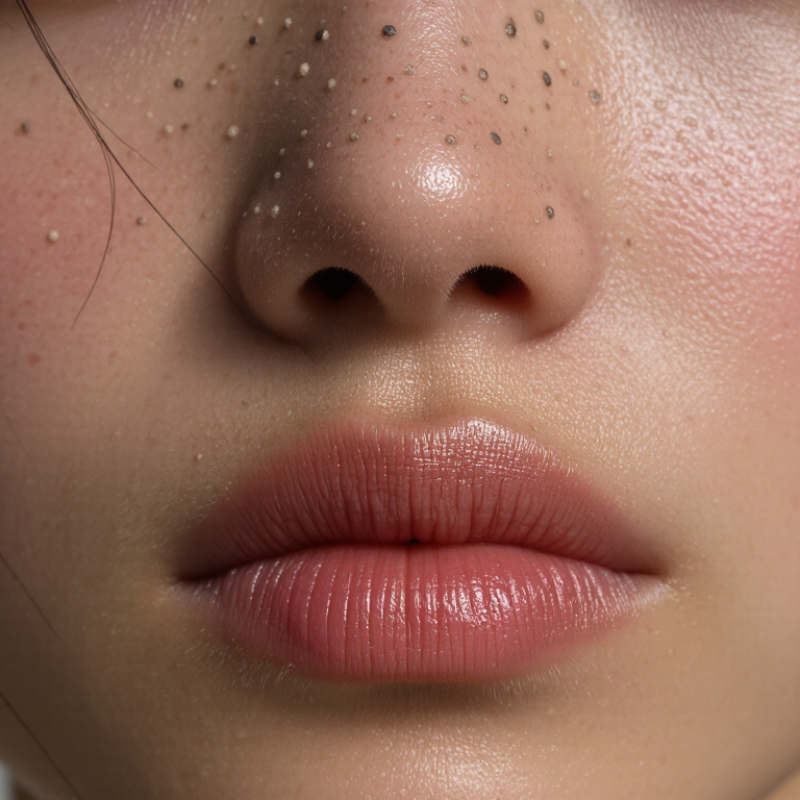
Sebaceous filaments are thin, natural channels that help sebum travel from oil glands to the skin’s surface. They often look like tiny gray, tan, or pale dots, especially across the nose. They are not dirt. On close inspection, their even spacing can resemble a peppering of dots, but they are usually flatter and more uniform than blackheads.
The nose has many visible oil glands, and sebum, dead skin cells, and skin structure all influence how noticeable the filaments appear. Hormones, age, and genetics can affect oil production, too. They are normal. Squeezing may empty a filament briefly, but it can return as sebum moves through the pore again. I’d be cautious about treating every visible pore as a problem; harsh scrubbing can irritate the skin without changing its basic structure.
Blackheads are different: they are clogged pores whose contents darken at the surface. The American Academy of Dermatology estimates that acne affects up to 50 million people in the United States each year, though that figure covers acne broadly, not sebaceous filaments specifically. That distinction matters. A shiny nose or visible filaments alone do not prove someone has acne.
2026 Best Ways to Stop Sebaceous Filaments on Your Nose? - What Sebaceous Filaments Are and Why They Form on the Nose
| Topic | What to know | Practical approach | Cautions |
|---|---|---|---|
| What sebaceous filaments are | Normal structures lining pores that help carry sebum, the skin’s natural oil, to the surface. | Aim to make them less noticeable rather than trying to remove them permanently. | They commonly become visible again because pores continue to produce and transport sebum. |
| Why they show on the nose | The nose is part of the oil-prone T-zone and has many visible pores. Oil and skin-cell buildup can make filaments more noticeable. | Use a consistent, gentle routine and adjust products if the skin feels persistently oily or irritated. | Oil production can vary with individual skin type and other factors; frequent scrubbing is not a reliable fix. |
| Filaments vs. blackheads | Filaments often look like small, evenly spaced grayish or skin-colored dots. Blackheads are open comedones and may look darker and more distinct. | If bumps are inflamed, painful, changing, or difficult to identify, seek advice from a qualified healthcare professional. | Color alone cannot confirm what a spot is; avoid picking to try to diagnose it. |
| Gentle cleansing | A mild cleanser can remove surface oil, sunscreen, and daily residue without the friction of harsh scrubbing. | Wash gently with lukewarm water, generally morning and evening or after heavy sweating; pat dry. | Stop or reduce use if cleansing leaves skin persistently tight, stinging, or irritated. |
| Salicylic acid | Salicylic acid is a beta hydroxy acid used in some over-the-counter products to exfoliate inside pores and help with clogged pores. | Consider a low-strength product, start infrequently, and follow its label. Increase use only if the skin tolerates it. | It may cause dryness or irritation. Avoid applying to broken skin and do not combine several new exfoliating products at once. |
| Moisturizer and sunscreen | Moisturizer supports the skin barrier; sun protection helps limit UV damage. Neither permanently removes filaments. | Choose products that feel comfortable on your skin. Use broad-spectrum SPF 30 or higher during daytime exposure. | If a product causes a rash or persistent irritation, stop using it and seek professional guidance if needed. |
| Retinoids | Some topical retinoids are used for acne and clogged pores, but they do not permanently stop normal sebaceous filaments. | Ask a clinician whether a retinoid is appropriate, especially if you have sensitive skin or are treating acne. | Retinoids can irritate skin. People who are pregnant or planning pregnancy should consult a healthcare professional before use. |
| Pore strips and squeezing | Strips and squeezing may temporarily remove surface material, but they do not stop sebum production or prevent filaments from returning. | Prefer gentle skin care over repeated extraction. | Pulling or squeezing can cause redness, irritation, or skin injury. |
| When to seek professional advice | Persistent irritation, painful or inflamed bumps, or uncertainty about whether spots are acne or another condition may need assessment. | Consult a dermatologist or other qualified healthcare professional for individualized care. | Seek prompt medical advice for severe reactions or rapidly worsening symptoms. |
Key takeaway: Sebaceous filaments are normal, and no routine can reliably eliminate them forever. Gentle, consistent care may help reduce their appearance.
FAQS
Filaments often look pale gray or beige and appear evenly across the nose. Blackheads are usually darker, larger, and less uniform. A magnifying mirror can exaggerate both.
No. They are normal structures that carry sebum to the skin’s surface. They may refill after extraction, which can feel frustrating.
No skincare ingredient can remove them permanently. Products may make them less noticeable, but they naturally return. That part is easy to overlook.
Salicylic acid can help clear excess oil and dead skin inside pores. Niacinamide may help balance the look of oiliness. Results vary.
Try a low-strength leave-on product two nights a week. Increase use only if your skin stays comfortable. Go slowly.
A retinoid may help reduce the look of congestion, but irritation is possible. Ask a clinician before use if you are pregnant or planning pregnancy.
Pore strips may lift surface oil briefly, but they do not change the pore. Squeezing or scraping can leave redness. I still find it tempting.
Ask a dermatologist if spots are painful, inflamed, or unclear, or if your nose stays persistently irritated. A gentle cleanser, moisturizer, and daytime sunscreen can support a simple routine.
Conclusion
Sebaceous filaments are normal structures that help move oil through pores, and they often look more noticeable on the nose because the area produces more sebum. Unlike blackheads, which are clogged pores with a darkened plug, sebaceous filaments are usually small, evenly distributed, and pale or gray. They cannot be removed permanently, but consistent, gentle care can make them less visible. If you’re wondering how to stop sebaceous filaments on nose, focus on managing oil and keeping pores clear rather than trying to squeeze or scrub them away.
Wash with a mild cleanser, moisturize, and use sunscreen each day. Ingredients such as salicylic acid may help loosen buildup, while retinoids can support clearer pores when introduced gradually and used as directed. Avoid harsh scrubbing and frequent extraction, which can irritate skin and make bumps more noticeable. If nasal bumps are persistent, painful, inflamed, or difficult to distinguish from another skin concern, consult a dermatologist for personalized guidance.
