2026 Best Products for Skin Elasticity What Works?

Time:2026-10-13 Author:Liam
0%

Skin elasticity is often marketed through dramatic promises, yet biology is less cooperative. Collagen and elastin decline with age, while ultraviolet exposure accelerates their breakdown. The American Academy of Dermatology identifies daily sun protection as a central anti-aging measure. It is not glamorous. It is effective.

So, what products help with skin elasticity? Evidence points toward broad-spectrum sunscreen, retinoids, vitamin C, and well-formulated moisturizers. A 2024 Grand View Research analysis valued the global anti-aging market at more than $40 billion, reflecting strong consumer demand. However, market size does not prove product effectiveness. Clinical evidence matters more than packaging claims. The International Journal of Cosmetic Science has reported benefits from topical retinoids and vitamin C, although results depend on concentration, consistency, and skin tolerance. A product can look impressive and still disappoint.

Dermatologist Joshua Zeichner, MD, has said, “The best anti-aging strategy is to protect your skin from the sun.” That principle gives this guide its foundation. Sunscreen limits ongoing collagen damage, while retinoids may support collagen remodeling over time. Moisturizers can temporarily soften fine lines by increasing water content in the outer skin layer. Peptides remain promising, but their benefits are less consistently demonstrated. That uncertainty deserves honesty. Expect gradual changes, not a face transformed overnight. We will examine ingredients, clinical strength, formulation quality, and real-world usability. The best routine may be simple: sunscreen each morning, a suitable treatment at night, and enough patience to notice subtle firmness around the cheeks and jawline.
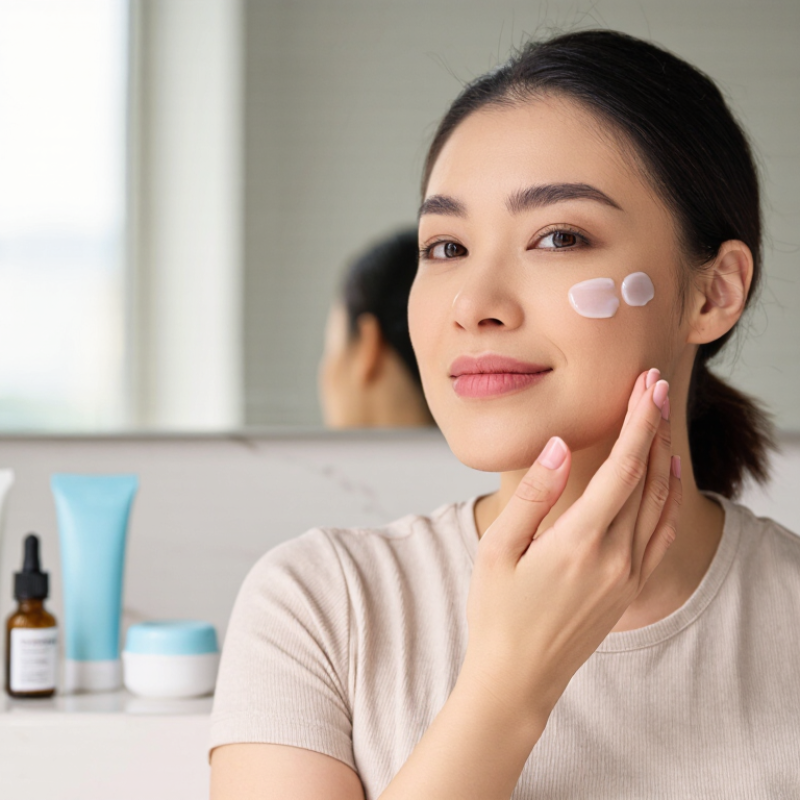
2026 Best Products for Skin Elasticity What Works?

What Skin Elasticity Means and Why It Changes Over Time

2026 Best Products for Skin Elasticity: What Works?

Skin elasticity is the skin’s ability to stretch and return to shape. Collagen provides structure, while elastin supports recoil. After age 20, dermal collagen production may decline by about 1% each year, according to research published in Skin Pharmacology and Physiology. During early menopause, collagen loss can accelerate to roughly 2.1% annually for several years, reported in Maturitas. I find the one-percent figure too neat, because genetics, smoking, hormones, and sunlight change the pace.

Sun protection remains the least exciting, yet most reliable step. The American Academy of Dermatology recommends broad-spectrum SPF 30 or higher. UV radiation breaks down collagen and damages elastin fibers, as described by the WHO Global Solar UV Index guidance. Apply enough sunscreen to exposed skin, including the neck and ears. Reapply outdoors. Small details matter.

For product selection, a nighttime retinoid has the strongest practical case for supporting collagen remodeling. Vitamin C may help protect collagen from oxidative stress, while moisturizers containing glycerin or hyaluronic acid temporarily improve skin softness and surface fullness. Peptides are promising, but evidence varies by formula and concentration. No topical product rebuilds youthful elastin overnight. That expectation needs correcting. Consistency usually beats an expensive routine, although irritation can undermine progress. Patch testing is sensible, and pregnancy or sensitive-skin concerns require professional advice.

Key Ingredients That Support Firmer, More Elastic Skin

2026 Best Products for Skin Elasticity: What Works?
Key Ingredients That Support Firmer, More Elastic Skin

Skin elasticity depends on collagen, hydration, sun protection, and time. Products cannot recreate youthful skin overnight. Retinoids have the strongest long-term evidence for supporting collagen production and improving fine lines. Vitamin C may help protect collagen from environmental stress. Peptides are promising, but their results can vary between formulas. A well-made moisturizer also matters. Ingredients such as glycerin, hyaluronic acid, and ceramides help skin look smoother and feel more flexible. Firmer-looking skin often begins with better hydration.

Daily broad-spectrum sunscreen remains essential. Ultraviolet exposure weakens collagen and can make loose skin appear more noticeable. Apply enough product to cover your face, neck, and ears. Reapply outdoors, especially after sweating. In practical testing, consistency usually matters more than a crowded routine. Introduce one active ingredient at a time. Use a small patch first. Irritation can delay progress, and I have found that “stronger” is not always better. Visible changes may require eight to twelve weeks, sometimes longer. Results are personal.

Tips: Use a gentle cleanser, then apply treatment to dry skin. Follow with moisturizer. Retinoids may cause dryness, so begin two nights weekly. Do not combine several powerful actives immediately. If burning, swelling, or persistent redness develops, stop and seek professional advice. Consult a qualified clinician before using retinoids during pregnancy or breastfeeding. Take monthly photos in the same window light. Mirrors can mislead.

How to Compare the Best Skin Elasticity Products in 2026

In 2026, compare skin elasticity products by evidence, formulation, and daily usability.

Start with ingredients, not packaging. Retinoids have stronger research for supporting collagen-related changes, while peptides may offer gentler support. Moisturizers with ceramides, glycerin, or hyaluronic acid can reduce dryness and improve surface smoothness. That distinction matters.

Check the ingredient concentration when it is disclosed. Look for clear testing information, stability data, and realistic claims. “Clinically tested” means little without details about participants, study length, and measured results.

Products with fragrance may feel pleasant, but they can irritate sensitive skin. A lower-strength formula used consistently may outperform a powerful product abandoned after one week.

Texture also affects comparison.

A rich cream may suit dry skin but feel heavy in humid weather. Gel formulas can feel comfortable on oily skin, yet may not prevent tightness. Daily broad-spectrum sunscreen remains essential because ultraviolet exposure weakens collagen over time. Without it, elasticity comparisons become unfair.

Use each product on one routine for several weeks. Take photos under the same window light, distance, and facial expression. Expect gradual changes, not a dramatic lift.

Patch testing helps, although it cannot predict every reaction. I sometimes focus too much on ingredient lists and forget comfort. That mistake matters.

Stop using a product after persistent burning, swelling, or severe redness, and seek professional medical advice when needed.

A Step-by-Step Routine for Improving Skin Elasticity

2026 Best Products for Skin Elasticity: What Works?

Skin elasticity improves through consistent protection, not a crowded bathroom shelf. Use a gentle, non-stripping cleanser, then apply a vitamin C or niacinamide serum to dry skin. Follow with a moisturizer containing humectants and barrier-supporting lipids. Keep it boring. Every morning, finish with broad-spectrum, water-resistant SPF 30 or higher. A randomized four-year trial in Annals of Internal Medicine found 24% less visible photoaging among daily sunscreen users. American Academy of Dermatology guidance also supports SPF 30 or higher for exposed skin.

At night, cleanse again and introduce a retinoid gradually. Start two nights weekly, using a pea-sized amount for the entire face. Then moisturize. Avoid combining it immediately with exfoliating acids, especially if your skin stings or flakes. Patch-test new products near the jawline for several days. Retinoids can support collagen-related improvements, but irritation often ruins consistency. My imperfect rule is simple: reduce frequency before abandoning the routine. Noticeable changes usually require patience, and individual results vary.

The weak point is expectation. Creams can improve hydration and surface smoothness, but they cannot recreate lost structural support. A 2024 professional review in the Journal of Cosmetic Dermatology emphasizes that photoaging responds best to combined prevention and treatment strategies. Protect the neck, ears, and hands too. Persistent redness, burning, or sudden laxity deserves assessment by a qualified dermatologist.

2026 Best Products for Skin Elasticity What Works? - A Step-by-Step Routine for Improving Skin Elasticity

Routine Step Product Type or Key Ingredient How It Supports Elasticity Suggested Use Evidence Strength Important Considerations
1. Cleanse Gentle, low-foaming cleanser Removes dirt, sunscreen, and excess oil while helping preserve the skin barrier. A healthy barrier reduces dryness, which can make fine lines look more pronounced. Use lukewarm water and cleanse in the evening. In the morning, rinse with water or use a gentle cleanser if needed. Supportive Avoid harsh scrubs, very hot water, and cleansers that leave the skin tight or stinging.
2. Antioxidant Serum Topical vitamin C, commonly L-ascorbic acid Can help neutralize oxidative stress and support collagen synthesis. It may also improve the appearance of uneven tone caused by sun exposure. Apply a thin layer in the morning after cleansing, followed by moisturizer and sunscreen. Moderate May irritate sensitive skin. Store according to the product instructions because some vitamin C formulas are sensitive to light and air.
3. Hydrate Humectant moisturizer with glycerin or hyaluronic acid Attracts water to the outer layers of the skin, temporarily improving smoothness and the appearance of fine lines. Apply to slightly damp skin morning and evening. Choose a cream or lotion texture based on skin type. Supportive Hydration improves the look and feel of skin but does not replace collagen-building treatments.
4. Protect Broad-spectrum sunscreen, SPF 30 or higher Helps protect collagen and elastin from ultraviolet radiation, one of the major preventable causes of premature skin aging and loss of firmness. Apply generously every morning as the final skincare step. Reapply during prolonged outdoor exposure, sweating, or swimming. Strongest preventive evidence Use shade, protective clothing, and sunglasses as additional protection. No sunscreen provides complete protection.
5. Night Treatment Retinoid, such as retinol or a prescribed retinoid Retinoids influence cell turnover and have evidence for improving the appearance of fine lines and photoaged skin. Prescription forms are generally more potent than cosmetic retinol. Start two nights per week with a pea-sized amount on dry skin, then increase gradually as tolerated. Use moisturizer afterward. Strong for photoaging; potency-dependent Dryness, peeling, and irritation are possible. Avoid using on irritated skin and follow professional advice for prescription products.
6. Barrier Support Moisturizer containing ceramides, cholesterol, or fatty acids Supports the skin barrier and reduces water loss, helping skin remain more supple and resilient. Use morning and evening, especially on dry or retinoid-treated areas. Supportive Select a fragrance-free formula if the skin is sensitive or prone to eczema.
7. Optional Serum Niacinamide, commonly 2%–5% May support barrier function, reduce moisture loss, and improve the appearance of uneven tone and fine lines. Apply once daily before moisturizer. It can be used in the morning or evening. Moderate for overall skin quality Higher concentrations are not automatically more effective and may cause flushing or irritation in some users.
8. Optional Firming Product Peptide-containing moisturizer or serum Some peptides may support signaling related to skin structure, but results vary by peptide, formula, and concentration. Use according to the product directions after cleansing and before or instead of moisturizer. Limited to moderate; formula-dependent Treat peptides as an optional addition rather than a substitute for sunscreen or retinoids.
Practical timeline: Skin hydration may look better within days to weeks. Improvements in fine lines, texture, and firmness usually require consistent use for several weeks to months. Introduce one new active at a time and patch-test when appropriate.
Safety note: Retinoids are generally avoided during pregnancy unless specifically approved by a qualified healthcare professional. Seek professional advice for persistent irritation, severe sensitivity, or prescription-strength treatments.

Safety, Realistic Results, and Choosing Products for Your Skin Type

2026 Best Products for Skin Elasticity: What Works?

Elasticity products should begin with sun protection, not dramatic claims. The American Academy of Dermatology reports that ultraviolet exposure may cause up to 90% of visible skin aging. Choose broad-spectrum SPF 30 or higher, as recommended by the U.S. Food and Drug Administration. Reapply outdoors, especially after sweating.

For dry skin, select creams with ceramides, glycerin, or hyaluronic acid. Oily or acne-prone skin may prefer lighter, non-comedogenic formulas. Sensitive skin needs fewer ingredients and a fragrance-free option.

Retinoids have stronger evidence for improving fine lines and collagen support than most “lifting” creams. However, visible change usually takes several months.

Start twice weekly, using a pea-sized amount at night. Stop if burning persists. Pregnancy and breastfeeding require professional advice before retinoid use.

Peptides and antioxidants may support skin appearance, but research results remain less consistent. Moisturizers can temporarily make skin look fuller. They cannot recreate lost structural support.

Be skeptical of instant before-and-after images. Lighting can change everything.

A 2023 systematic review in the Journal of Cosmetic Dermatology found benefits from topical retinoids, but study durations and formulas varied. That limitation matters.

Patch-test each new product for several days. Seek a dermatologist when redness, itching, or sudden laxity appears. My own cautious view: a simple routine used consistently often beats an expensive shelf of untested promises.

FAQS

What does skin elasticity mean?

Skin elasticity is its ability to stretch and return to shape. Collagen provides structure. Elastin supports recoil. Elasticity often changes gradually with age.

Why does skin elasticity decrease over time?

Collagen production may decline after age 20. Research suggests an average decline of about 1% yearly. Genetics, hormones, smoking, and sunlight can change that pace. The number is not perfect.

Can sunscreen help protect skin elasticity?

Yes, daily broad-spectrum SPF 30 or higher helps reduce ultraviolet damage. Apply it to your face, neck, and ears. Reapply when spending time outdoors. Small areas matter.

Which ingredients may support firmer-looking skin?

Nighttime retinoids have strong practical support for collagen-related changes. Vitamin C may help protect collagen from oxidative stress. Peptides may provide gentler support, but formulas vary. Results are gradual.

Can moisturizers improve skin elasticity?

Moisturizers with glycerin, hyaluronic acid, or ceramides can reduce dryness. They may make skin look softer and temporarily fuller. They do not rebuild youthful elastin. Surface fullness is not permanent repair.

How should I compare elasticity products?

Check ingredients, concentration details, testing information, and realistic claims. Packaging can distract from useful evidence. A comfortable formula used daily may outperform a stronger product abandoned quickly.

How can I test whether a product is helping?

Use one routine for several weeks. Take photos near the same window, distance, and facial expression. Watch for gradual changes. My own ingredient-list focus can become excessive.

What should I do if a product irritates my skin?

Stop using it after persistent burning, swelling, or severe redness. Patch testing may reduce surprises, but it cannot predict every reaction. Seek professional medical advice when symptoms continue. Pregnancy or sensitive skin requires extra care.

Conclusion

Skin elasticity refers to the skin’s ability to stretch and return to its original shape, but this ability can gradually decline because of aging, sun exposure, dehydration, stress, and environmental damage. This guide explains what products help with skin elasticity by focusing on supportive ingredients such as retinoids, peptides, antioxidants, ceramides, hyaluronic acid, and well-formulated moisturizers. It also outlines how to compare products in 2026 by considering ingredient quality, concentration, texture, skin compatibility, testing standards, and realistic claims.

Readers will learn how to build a simple routine that includes gentle cleansing, targeted treatment, daily moisturizing, and broad-spectrum sun protection. The guide also emphasizes introducing new products slowly, performing a patch test, and adjusting product choices for dry, oily, sensitive, or combination skin. Consistent use may improve hydration, smoothness, and the appearance of firmness, but results vary and usually develop gradually. Safety, patience, and personalized care are essential when selecting products for more resilient-looking skin.

Liam

Liam

Liam is a dedicated marketing professional with a profound expertise in the industry, where he excels at highlighting the unique advantages of our core products. With a keen understanding of market trends and consumer needs, Liam frequently updates our company’s professional blog, providing......